Easter Photographs, Off-Season

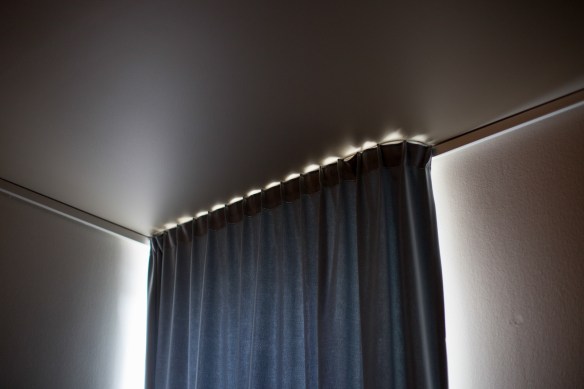
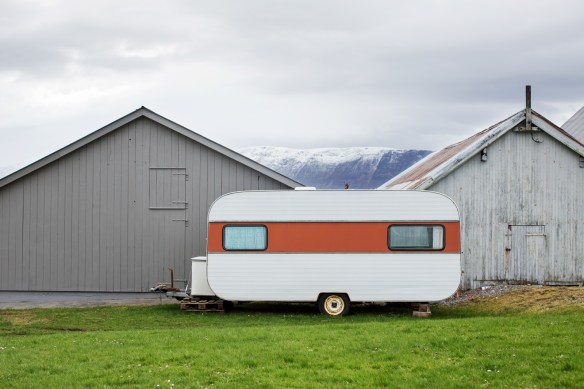
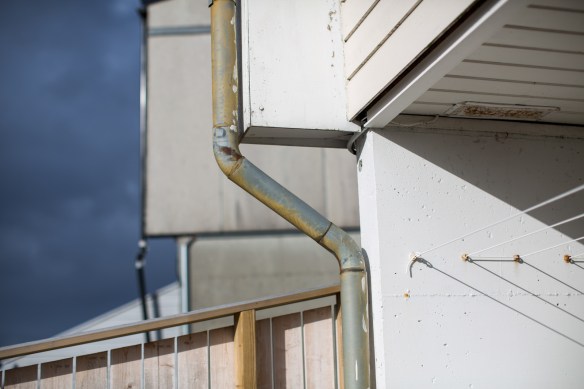
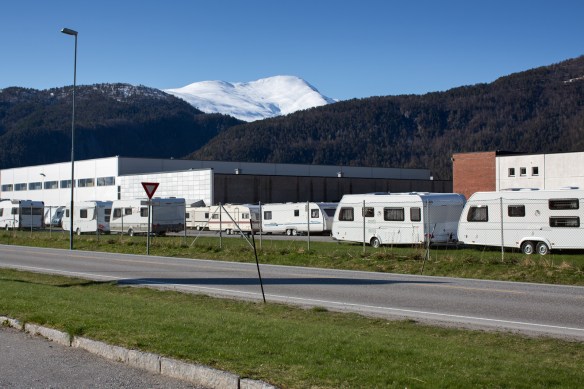
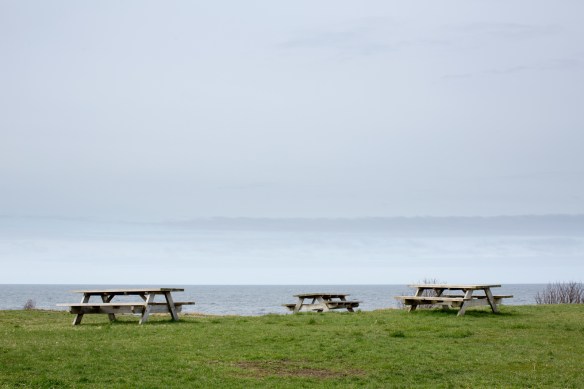
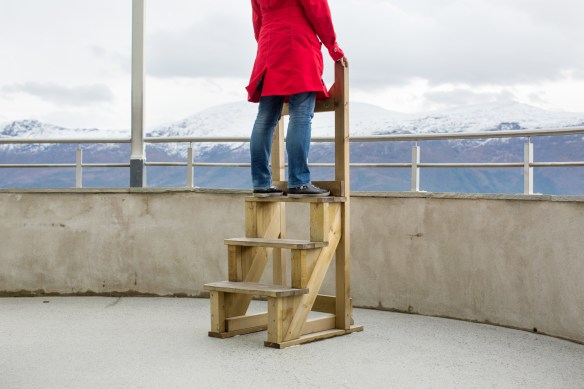
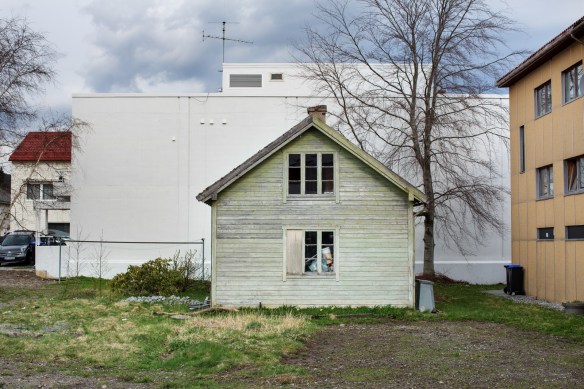
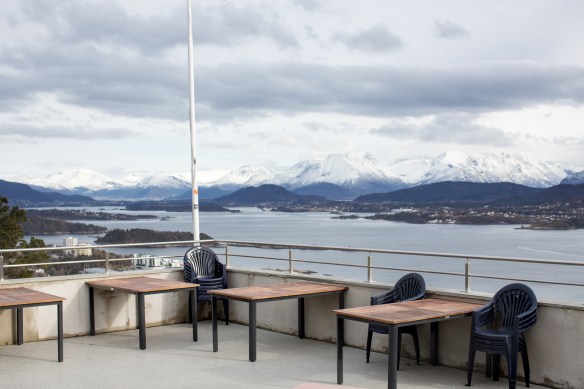
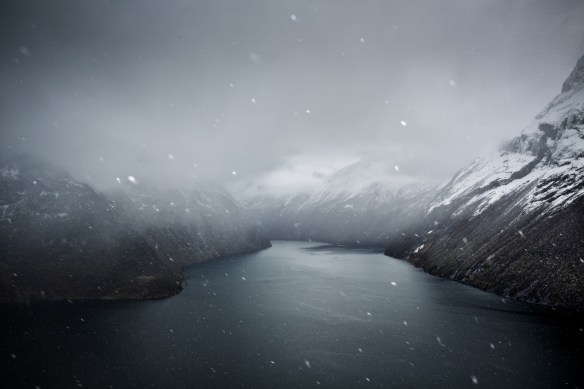
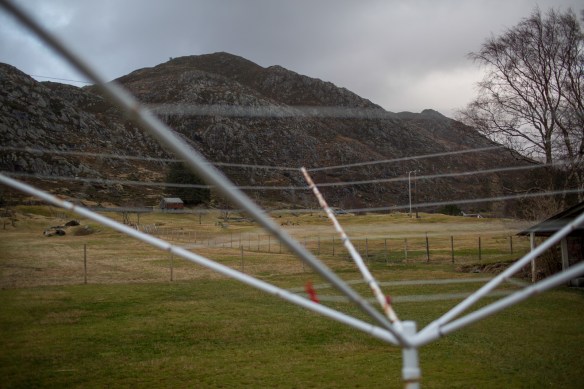
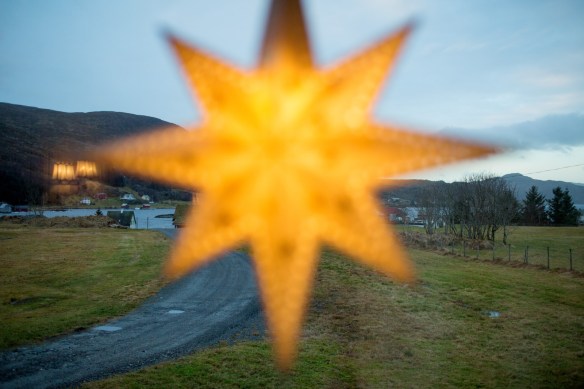
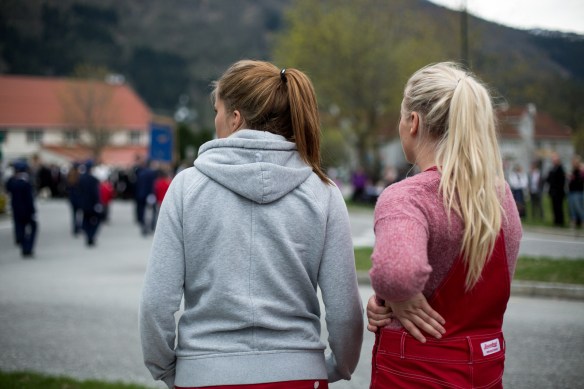
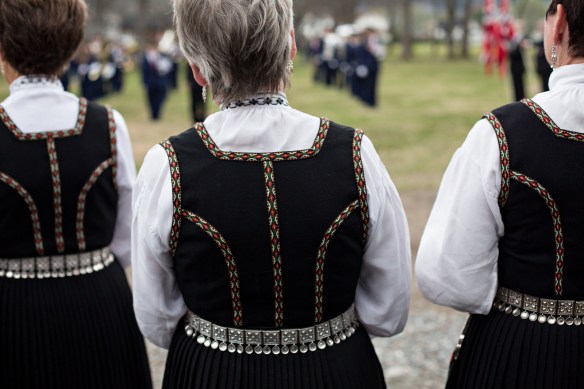
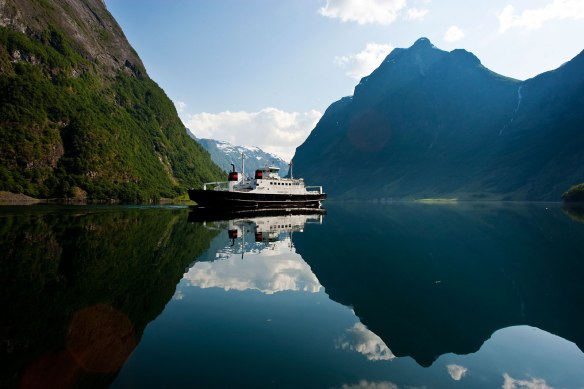
Pics from a drive through Western Norway some six months ago, forgotten until I got stung by a wasp yesterday (which in late September is kind of an off-season event. The off-season-ness is the key here. It’s not that arbitrary. Really).

#01

#01

#02

#02

#03

#03

#04

#04

#05

#05

#06

#06

#07

#07

#08

#08

#09

#09

#10

#10

#11

#11

#12

#12

#13

#13

#14

#14

#15

#15

#16

#16

Everything Must Go

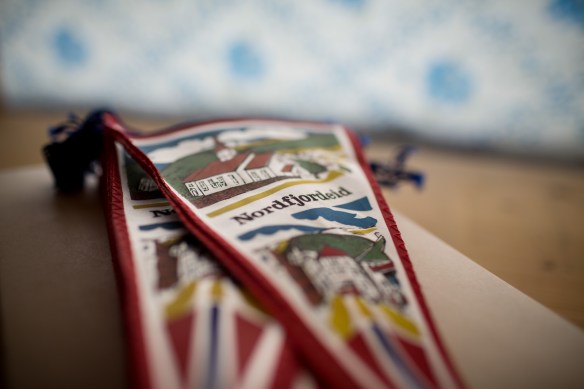
My parents-in-law ran a smalltown department store for close to 40 years before having to close down last year. These photos document the Kragseth family’s final days as merchants in Nordfjordeid, Norway.

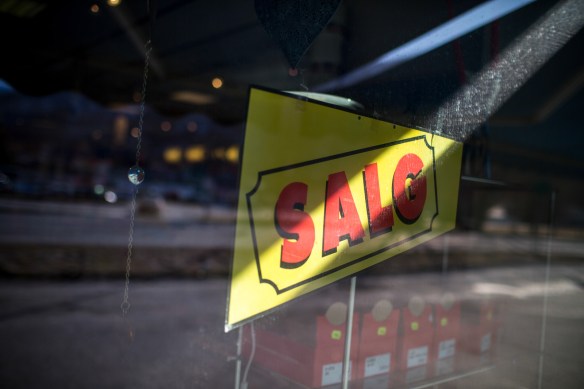
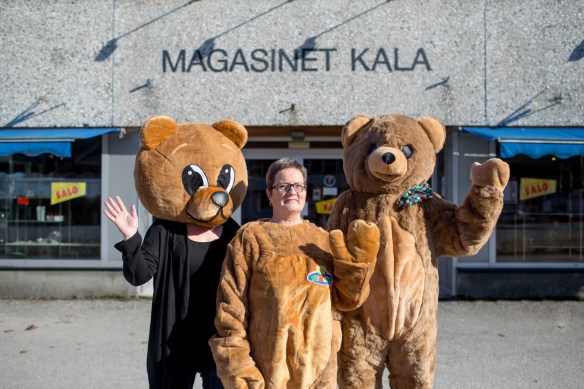
Kala #1. This sale is final

Kala #1. This sale is final

The combined toys and glass- and kitchenware store known as “Kala” would have celebrated its 40th anniversary on the fifth of November last year. Only they had to close down just half a year shy of that landmark occasion. A combination of age, health and economic issues meant that the days leading up to Easter last year were chosen to be the final ones for the store that had been built by my girlfriend’s parents – Mrs. Aud and Mr. Agnar Kragseth – four decades earlier.

Kala #2. The department store. Brand new

Kala #2. The department store. Brand new

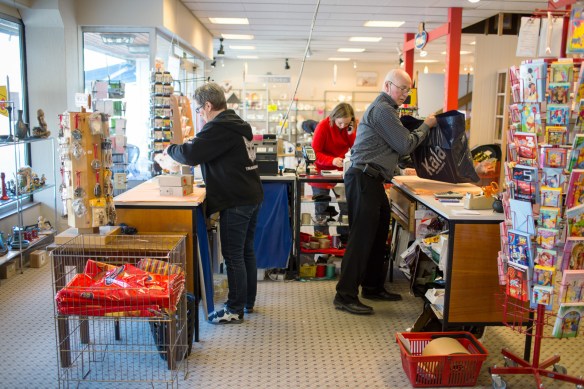
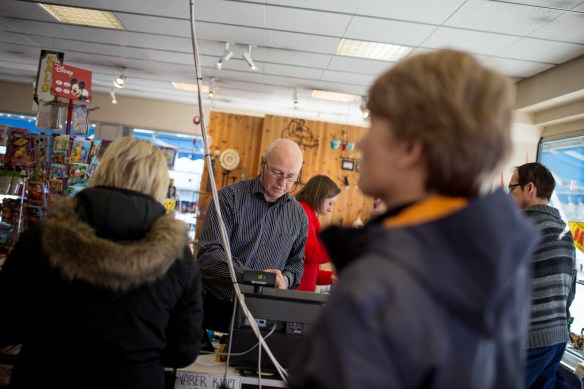
Kala #3. Mrs. Aud (left) and Mr. Agnar Kragseth had some of their busiest days ever during the days of the final sale. My girlfriend Linda (centre) moved home for a few weeks to help them out

Kala #3. Mrs. Aud (left) and Mr. Agnar Kragseth had some of their busiest days ever during the days of the final sale. My girlfriend Linda (centre) moved home for a few weeks to help them out

Kala #4. Aud and Agnar met at a gathering for western expats in the Norwegian capital of Oslo in the late 1960s

Kala #4. Aud and Agnar met at a gathering for western expats in the Norwegian capital of Oslo in the early 1970s

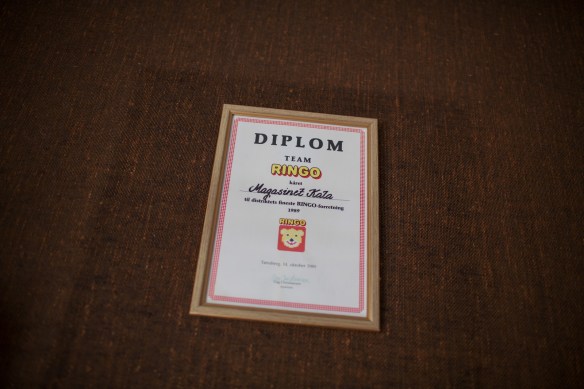
Kala #5. Best store in the district, 1989

Kala #5. Best store in the district, 1989

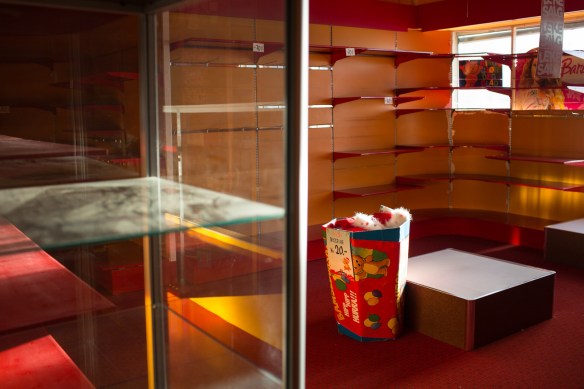
Kala #6. The toy store cleaned out. Only a basket of christmas hats remain

Kala #6. The toy store cleaned out. Only a basket of christmas hats remain

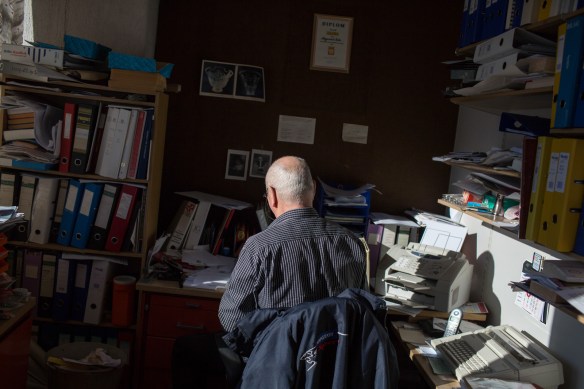
Kala #7. Agnar in the office

Kala #7. Agnar in the office

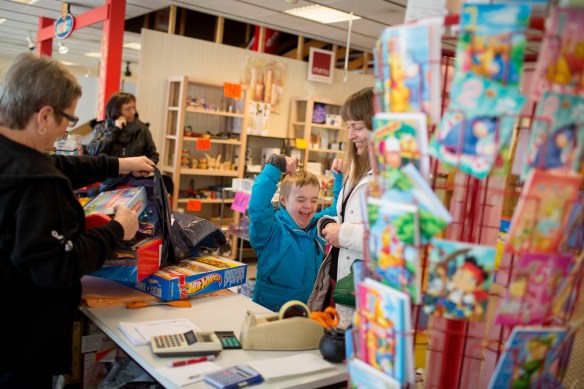
Kala #8. Cheap toys, pure happiness

Kala #8. Cheap toys, pure happiness

Kala #9. Nordfjordeid is a small town (population 2,772) in western Norway

Kala #9. Nordfjordeid is a small town (population 2,772) in western Norway

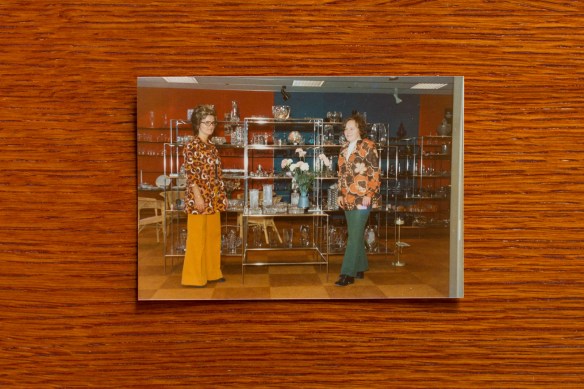
Kala #10. The shop – and it's merchants – in their youth. Aud at left

Kala #10. The shop – and its merchants – in their youth. Aud at left, her sister-in-law, Liv, at right

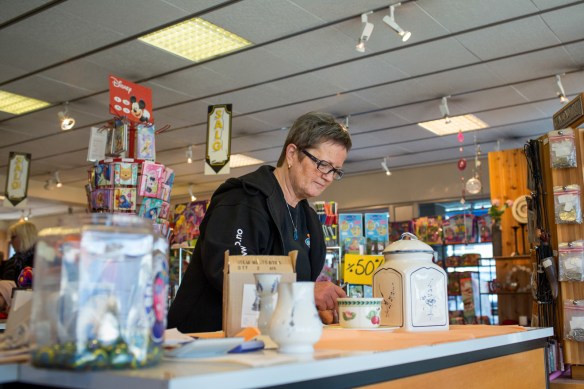
Kala #11. Some 30 years on, the brilliant 70s blouse is replaced by a Transformers hoodie

Kala #11. Some 30 years on, Aud’s brilliant 70s blouse is replaced by a Transformers hoodie

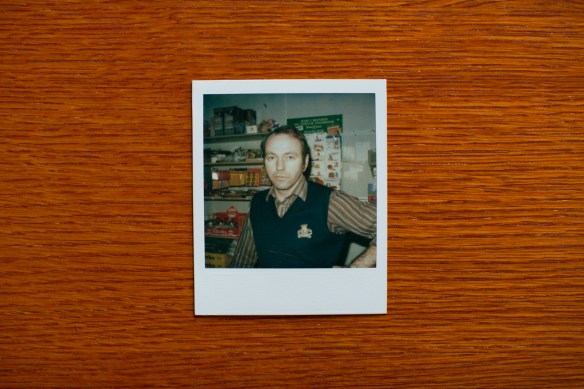
Kala #12. Young Agnar in the store

Kala #12. Young Agnar in the store

Kala #13. Agnar in the store

Kala #13. Agnar in the store

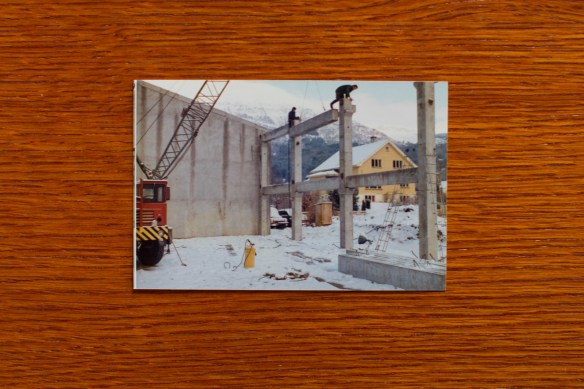
Kala #14. The building period. Health and safety. Total lack thereof

Kala #14. The building period. Health and safety. Total lack thereof

Kala #15. The store, yesteryear

Kala #15. The store, yesteryear

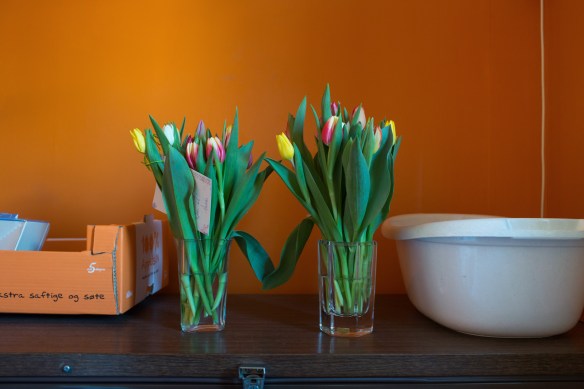
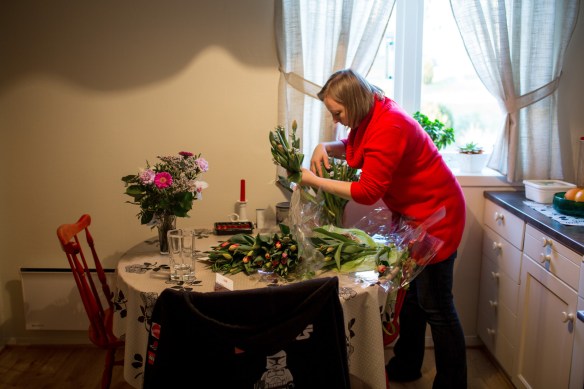
Kala #16. Linda sorting through the farewell flower gifts

Kala #16. Linda sorting through the farewell flower gifts

Kala #17. Empty glassware boxes

Kala #17. Empty glassware boxes

Kala #18. Agnar closing the doors

Kala #18. Agnar closing the doors

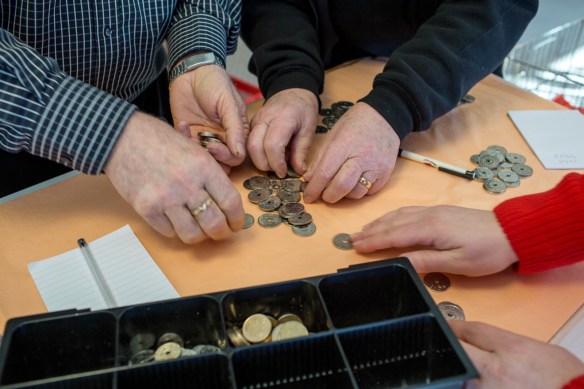
Kala #19. Counting crowns

Kala #19. Counting crowns

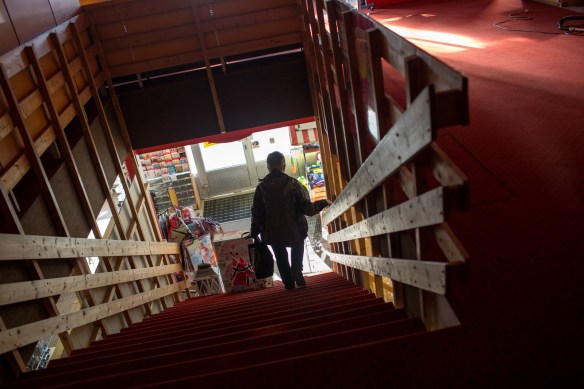
Kala #20. Stairway to retirement

Kala #20. Stairway to retirement

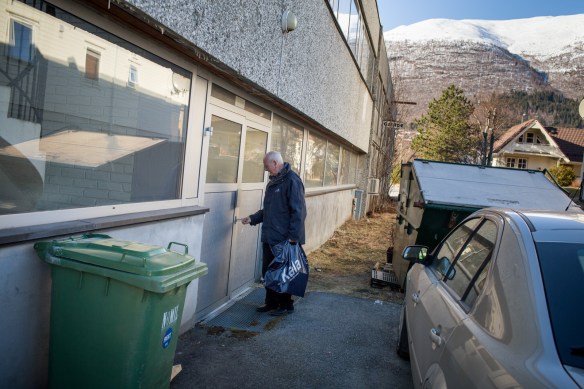
Kala #21. One last set of locks

Kala #21. One last set of locks

Kala #22. The toast

Kala #22. The toast

Epilogue – The Bears Say Goodbye

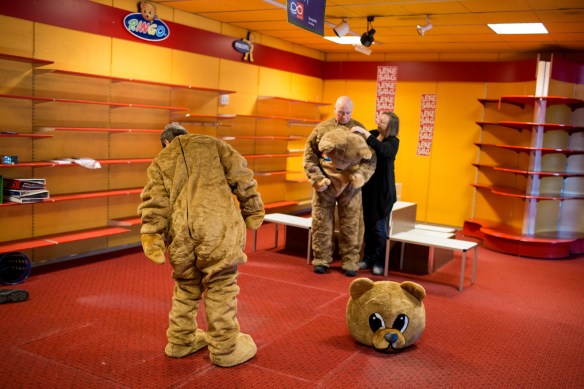
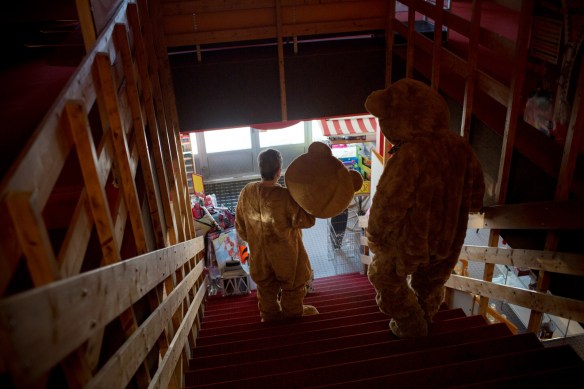
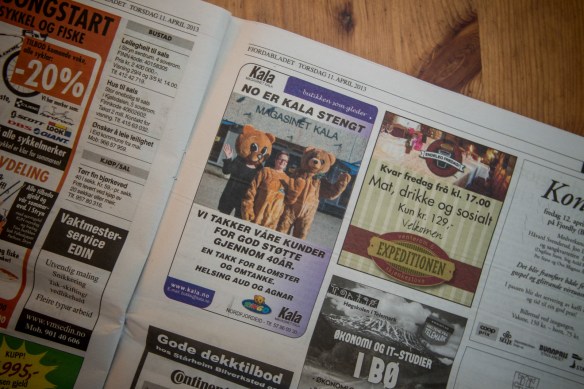
The toy store teddybear mascots make one final appearance for a farewell ad in the local paper.

Kala #23

Kala #23

Kala #24

Kala #24

Kala #25

Kala #25

Kala #26. Ad reads "Kala is now closed"

Kala #26. Ad reads “Kala is now closed”


At Fjord’s End

Beyond the picture perfect beauty of Hardanger, the backside of the postcard is even more alluring.
Odda #1. The zink smelting plant
Odda #1. The zink smelting plant

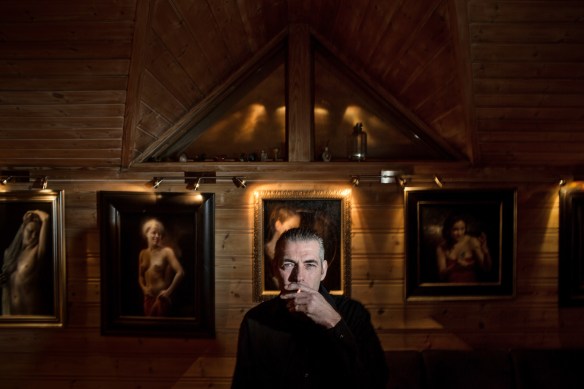
The hotel director. Ole Melkeraaen

The hotel manager. Ole Melkeraaen

The sound of Hardanger is very much the a cappella vocal approval of the visiting tourists, going “ooh” and “aah” and “sehr schön” and “ain’t that just lovely.” With hillsides clad in apple blossoms and snow-capped mountains diving into the blue-green waters of the fjord, Hardanger is the epitome of Norwegian romantic nationalism. I once took an English writer for a week long trip around these fjords in my old Ford Fiesta. That trip ended up as a nine page story in KLM’s inflight magazine – under the headline “Fjord Fiesta.” I’ve worked with other seasoned travel writers producing travel stories from this region as well, and more than once have heard them say: “I thought I was blasé, but this..!”

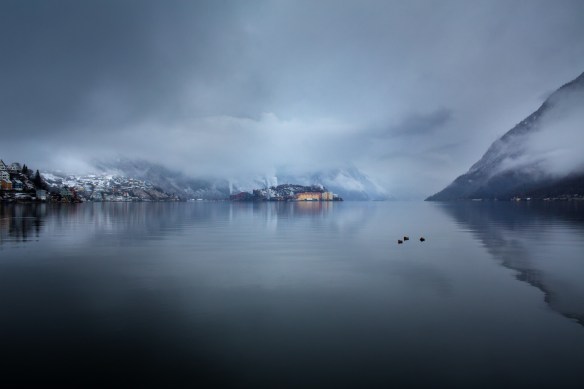
But this. This – as in the picture perfect postcard Hardanger – only exist between May and September. There are other sides to Hardanger as well. There is an end of the fjord. And Sørfjorden – the Southern Fjord – infamously known as the fjord that God forgot – ends in Odda.
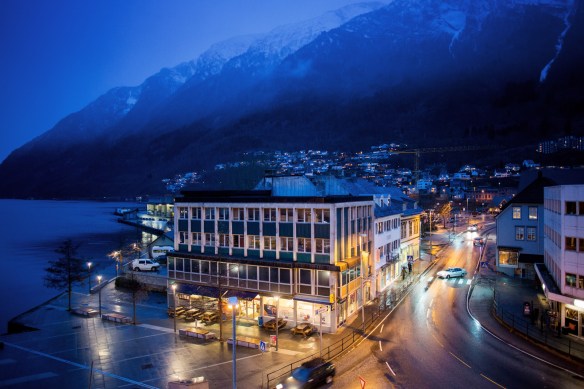
Odda #2. By night
Odda #2. By night

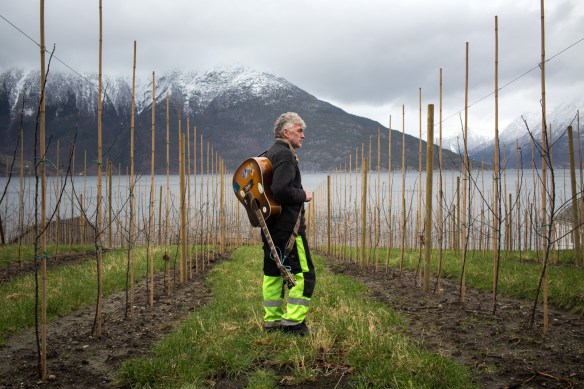
The Johnny Cash of Utne. Øyvind Terjesen

The Johnny Cash of Utne. Øyvind Terjesen

Here, in this small industrial town built around a smelting plant now closed, two friends since childhood have spent most of the day in the kitchen. One of them – the hotel manager – is just off night watch and has chosen cooking over sleep. The other put on the roast even before going to bed from the party the night before (drunk slow roast – now that’s lovely). The table is set with white linens and the best dining wares. Several bottles of Amarone are breathing nicely, the fish soup starter has been simmering for hours and all is ready for one hell of a nice dinner. Oh, and I’m invited. Only that I don’t know. Not that it’s supposed to be a secret in any way, but my friend and colleague – the director of the fjordside mischief TV-series “Fjorden Cowboys” – just sort of forgot to mention it.

So there you have it. A short hour prior to the best meal I’ll have in quite a while, I’m sitting at a roadside tavern – under a confederate flag, no less – eating a roadside hamburger and spoiling my appetite. This shouldn’t come as a surprise to me. After all, the reason why I’m in Odda this March weekend, is to embrace the sudden and make a series of portraits based on chance meetings. I started the day talking to a guy feeding birds along the wharf. His name was Sigfred.
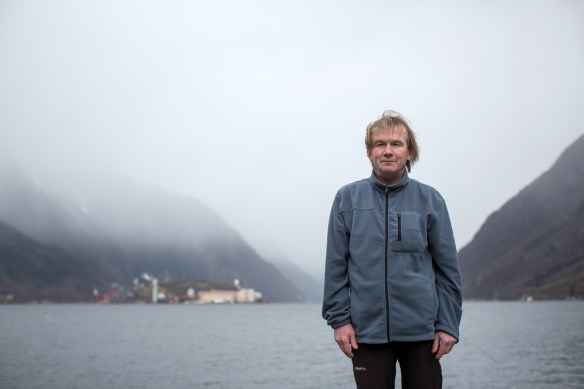
Feeding birds. Sigfred

Feeding birds. Sigfred

– So, Sigfred, how do you spend your days?
– From three minutes past two till five o’clock I listen to the radio. Other than that I feed the ducks.

Simple as that. Yet not simple at all. Sigfred told me he used to work at the zink plant, that’s the other giant smelting plant in the small town of Odda. And this goes for most of the people I meet this weekend. Most all of them are in some way connected to either the industry, the agriculture or both. Odda – the smelting plant town – and the fjords are in themselves a melting pot of both old farm culture and industrial identity, my friend Hildegunn Wærness tells me. And this blend of cultures has created some very tough and strong willed men and women – some of whom Hildegunn decided would make for great TV.

The result – the hit TV show “Fjorden Cowboys” – explores and celebrates Norwegian macho culture through the exploits of two entrepreneuring buddies who wear hats, love dynamite, talk trash and drink hard cider straight from the jerry can.

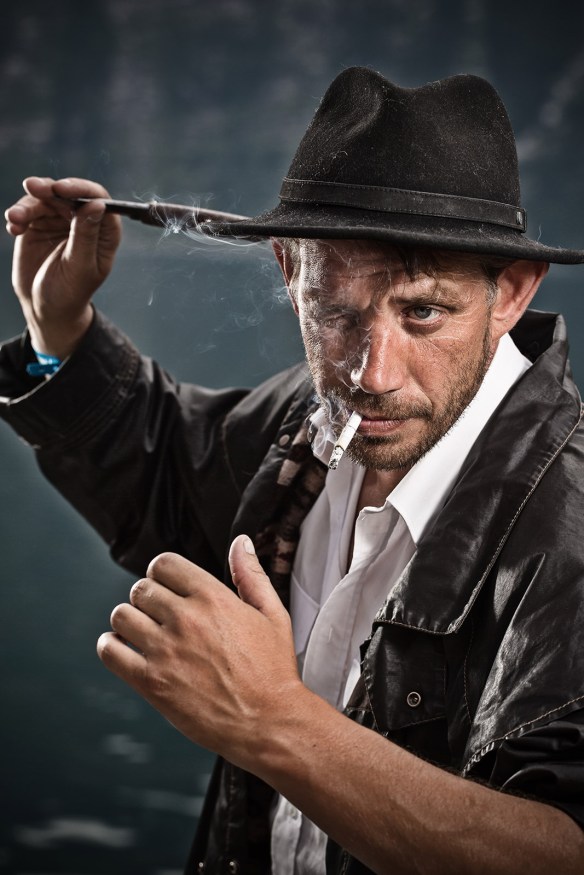
The cowboys. Leif Einar Lothe and Joar Førde enjoying cigarettes and dynamite

The cowboys. Leif Einar Lothe and Joar Førde enjoying cigarettes and dynamite

Last summer, I took a commision from the TV channel who was to air this show, to produce a set of promotional photos. This turned out to be one of the most fun jobs I did through all of 2013, but I was also left with a feeling that there were way more interesting people this end of the fjord than just the two main characters and their entourage.
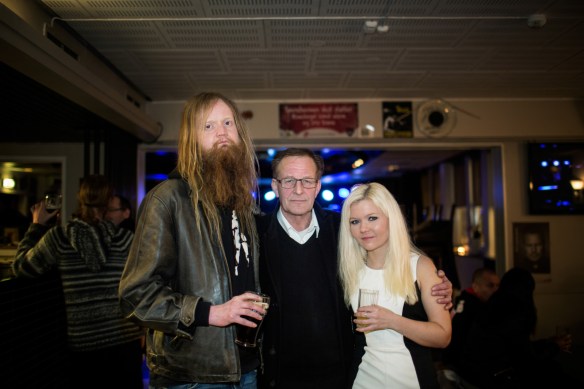
Nightlife. Øyvind Paulsen (at left), Svein Takla and Marianne Solheim
Nightlife. Øyvind Paulsen (at left), Svein Takla and Marianne Solheim

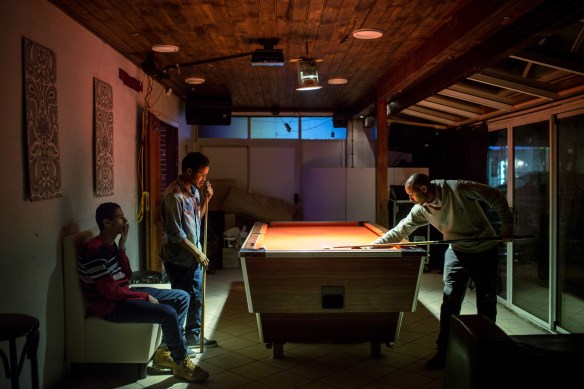
Pool hall boys. Mohammed Abdinasir Salen (at left), Shakir Adan Mohammed and Mowlid Mohammed
Pool hall boys. Mohammed Abdinasir Salen (at left), Shakir Adan Mohammed and Mowlid Mohammed

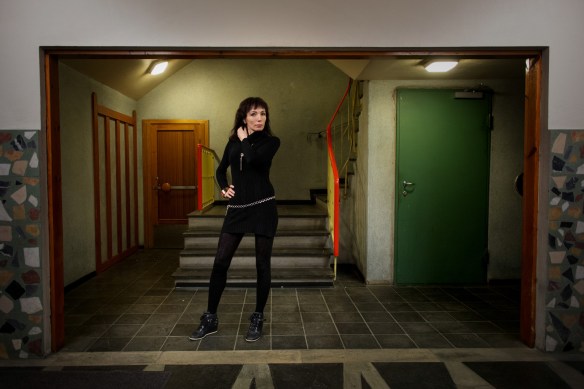
The Rocker. Anne Spilde

The Rocker. Anne Spilde

For over half a year I had this urge to go back and make a portrait series from Odda and Sørfjorden, to explore the landscape beyond the picture perfect postcard. To meet with people that might have chosen to live a life slightly deviating from the norm of conformity – and make no mistake – I do mean that as a compliment.

The ferry

The ferry

The blues musician. Bill Booth
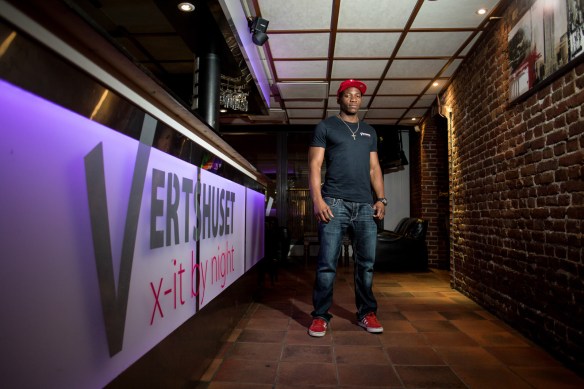
The blues musician. Bill Booth

The bartender. André Kabaya

The bartender. André Kabaya

So there we were – the director and me – on an adventure in the dark winter fjords – hoping to meet interesting people, to photograph them and maybe enjoy a drink in their company. And that we surely did. To such an extent that one of us incidentally failed to mention to the other that we had a dinner invitation.

For that I was mad for about five minutes. Then I remembered a quote from one of my favourite authors, Kurt Vonnegut: “Curious travel suggestions are dancing lessons from God.” Not that I’m religious, even less than the man with the guitar who earlier that day had sung to us: “I’m not religious – but I believe when I have to” – but as a reminder to embrace the sudden and unexpected, these words of Vonnegut are themselves good travel companions.

So off to dinner we went, me not quite as hungry as I would’ve liked to be, still expecting it to be brilliant. It was.

Strangely, drunkenly, Twin Peaks-ishly brilliant. Just as the end of the fjord itself.
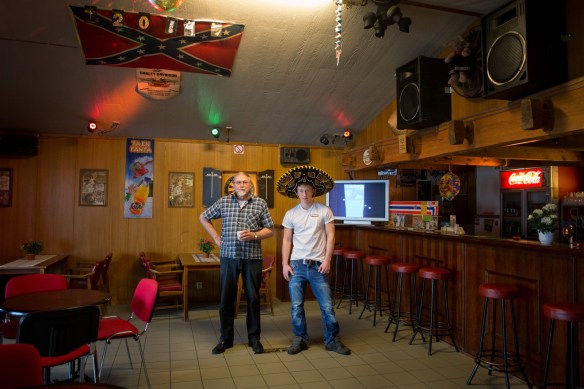
Tavern staff. Hans Martin Bleie and Halldor Kråkevik

Tavern staff. Hans Martin Bleie and Halldor Kråkevik
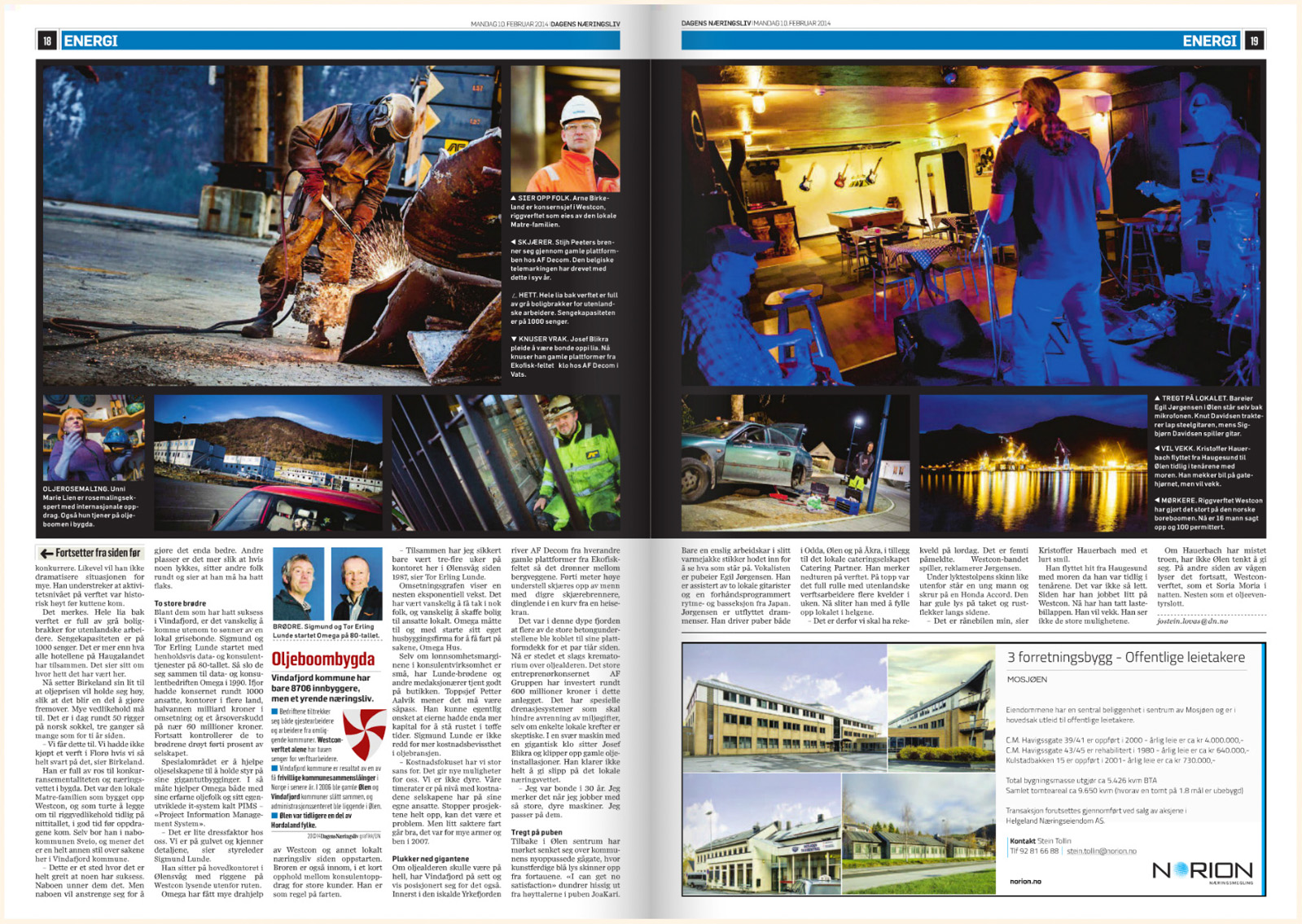
After The Boom, Slight Anxiety

When big oil spends less, an area built on oil services feels unease.

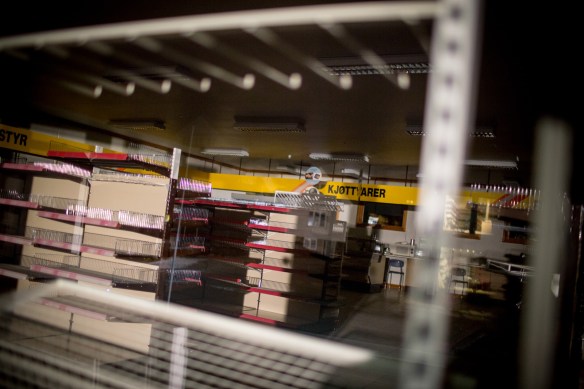
Ølen. The rig "West Alpha" as seen from a souvenir shop. The story of Norwegian oil is often referred to as a fairy tale

Ølen. The rig “West Alpha” as seen from a souvenir shop. The story of Norwegian oil is often referred to as a fairy tale

They call it “the billion mile.” Along a short stretch of road between Ølen and Vats in western Norway, in a municipality with a population less than 10,000, you find several major businesses, some with revenues well into the billions of NOK.

Ølen #2. Rigs are repaired, money is made. Usually

Ølen #2. Rigs are repaired, money is made. Usually

Most companies are connected to the oil service industry, making the entire community vulnerable to changes in the business cycles of the petroleum industry at large. In boom years, outside workers flock to the area in such numbers that one oil consultant firm even had to establish its own construction company to build housing for their new employees. That’s good for the local economy, obviously, with the town bar (smalltown bars are always good business barometers) reporting most nights as good nights. But that was then.
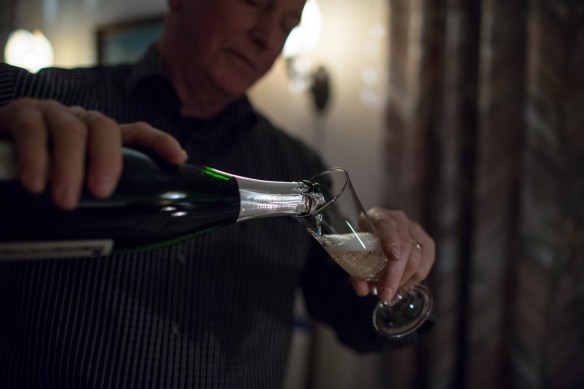
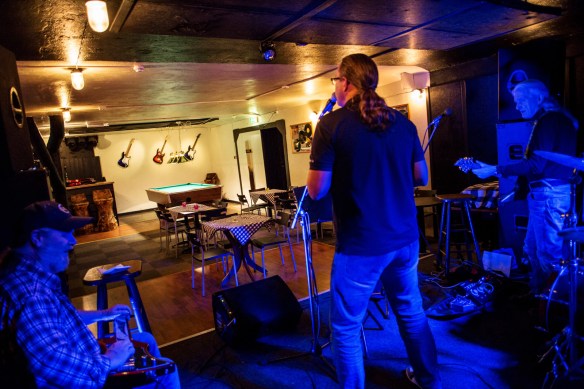
Ølen #3. Local bars are good business barometers. Tonight the houe band plays to an empty room

Ølen #3. Local bars are good business barometers. Tonight the house band plays to an empty room

A few weeks ago a journalist from the Norwegian Business Daily and I visited the area to see how lacking investments from the oil industries affect the community at large.

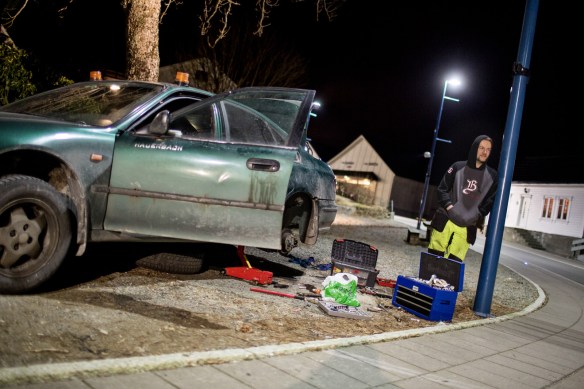
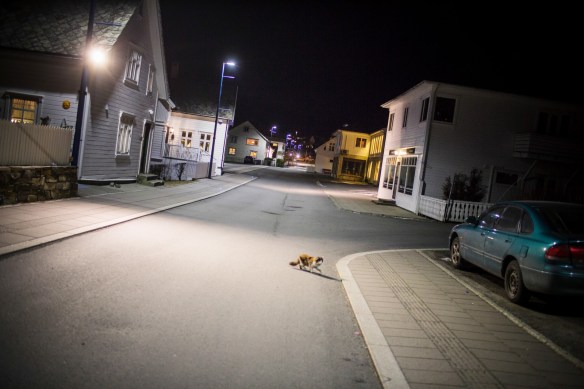
We visited the bar in question and that night the house band played to a room empty but us. Walking through the main street we saw a few closed down stores, a bunch of cats, but no people except for one kid doing car repairs, wishing to leave the place behind.

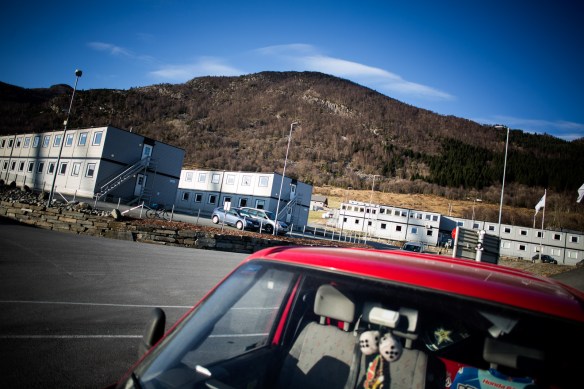
Ølen #4. Behind the shipyard temporary housing units reach far into the hills

Ølen #4. Behind the shipyard temporary housing units reach far into the hills

This is not recession as such. Norway has yet to take a hit anywhere as large as the rest of the world. But when the oil price remains steady for the third year in a row while costs increase ten per cent annually, big oil spends less on new investments. The local rig repair company, which at one time filled the hills above the yard with temporary housing units to accommodate foreign workers, is now lacking orders and has had to temporarily lay off a fifth of its employees.

So not a recession. More of a post-boom-hangover. Still, in a small place, you tend to notice things like that.

Ølen #5. Roadside car repair

Ølen #5. Roadside car repair

Ølen #6

Ølen #6

Ølen #7

Ølen #7

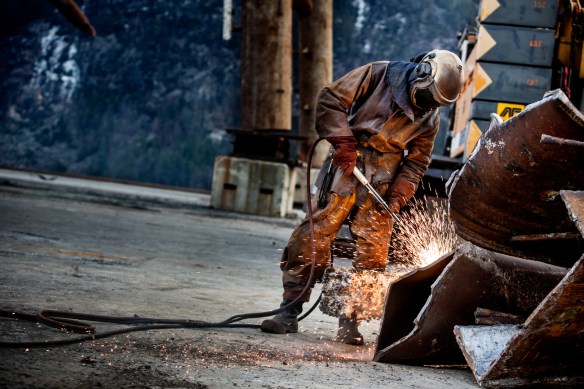
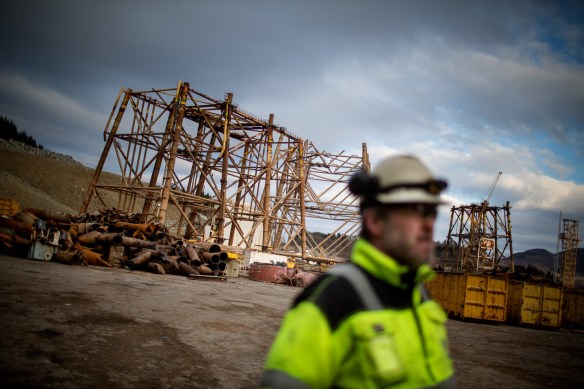
Vats. Scrapping decommissioned rigs

Vats. Scrapping decommissioned rigs

Vats #2

Vats #2

Vats #3

Vats #3

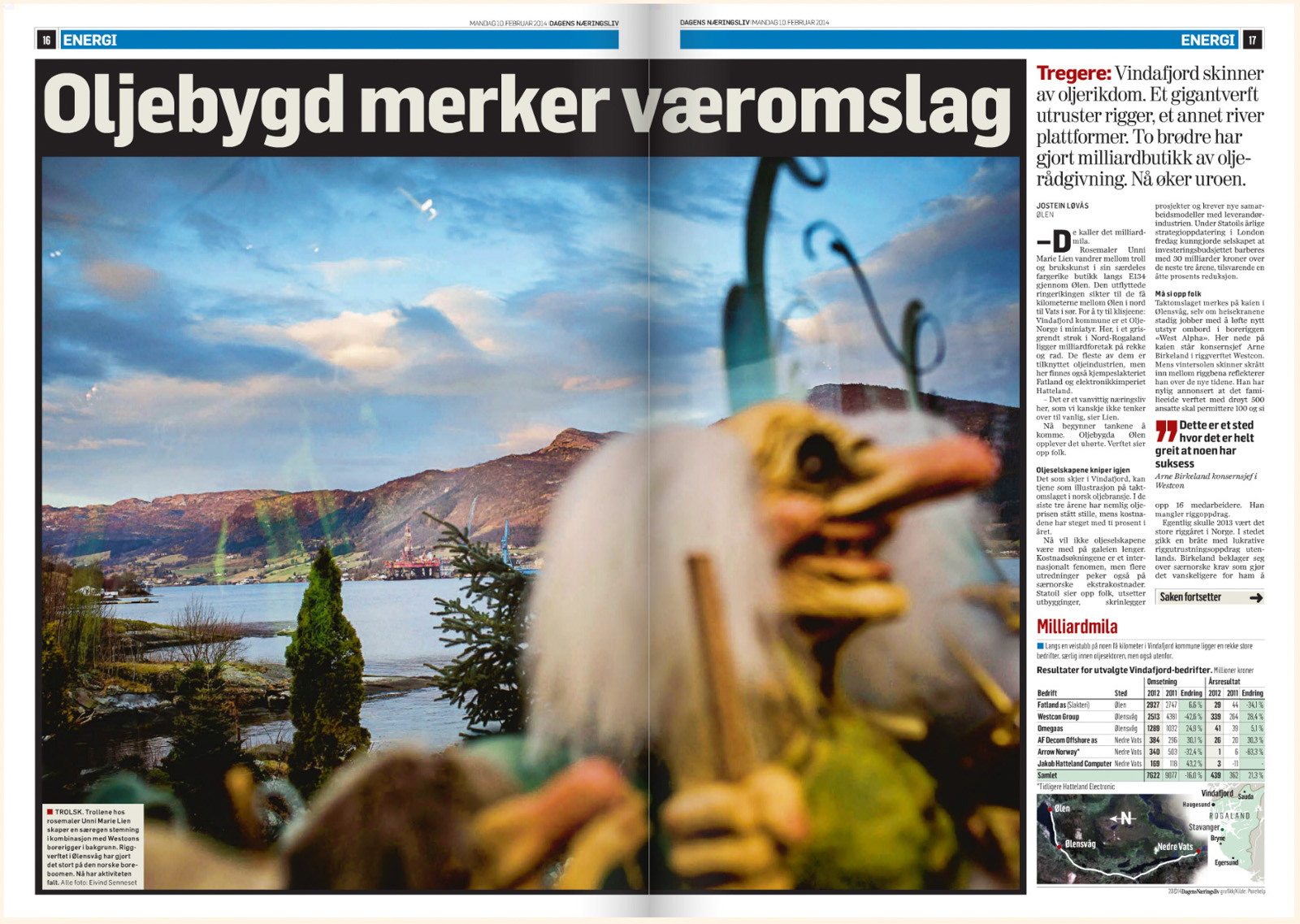
The story as it appeared in the Norwegian Business Daily (Dagens Næringsliv)

The story as it appeared in the Norwegian Business Daily (Dagens Næringsliv)

The story as it appeared in the Norwegian Business Daily (Dagens Næringsliv)

The story as it appeared in the Norwegian Business Daily (Dagens Næringsliv)

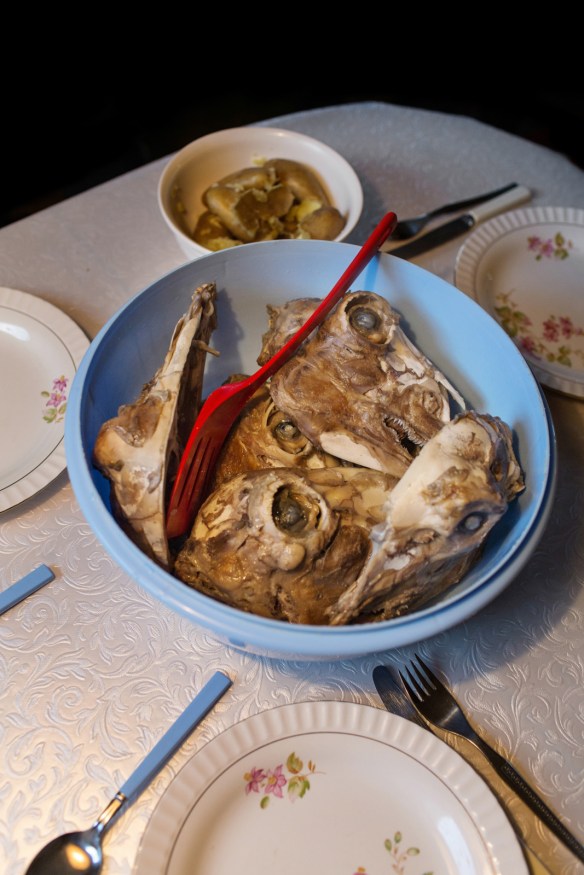
Skull Sunday

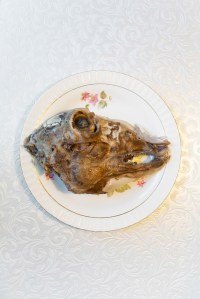
Ever had a staring contest with dinner?

Skull Sunday #1. Serves three

Skull Sunday #1. Serves three

When I photograph food for clients, we’re usually speaking of the gourmet stuff, prepared and styled to look its very best: let’s say scallops hand picked by the restaurant’s own divers, seared to perfection and carefully arranged in their shells on a sculpted mound of sea salt and… you get the picture. All at a price point that could probably get you a decent secondhand car in any former Soviet satellite state.

Skull Sunday #2. Bremanger

Skull Sunday #2. Bremanger

This is of course pretty far removed from what most of us consider everyday meals. But on the opposite end of the scale, and for many as equally removed from the everyday as a Michelin starred restaurant, you find the hardcore tradionalism. Food customs observed through nostalgia, mostly by the older generation. Such as Skull Sunday.

Skull Sunday #3. Bremanger. Again

Skull Sunday #3. Bremanger. Again

Skull Sunday #2. Simmering sheep

Skull Sunday #4. Simmering

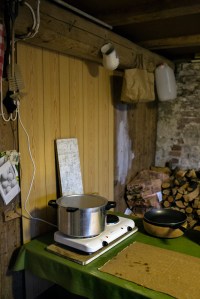
Let’s set the scene. I wake up in a tiny bedroom in my grandmother’s house on the island of Bremanger. My dad or perhaps one of his brothers must have slept here as a kid. Old music posters of Ian Anderson, Marc Bolan, Suzi Quatro and some local 70s bands unheard of even in Norway are still gracing the walls, or rather, covering holes in even older wallpaper. Fat, lazy winter flies are buzzing like small drunken helicopters. Gusts of wind reaching storm strength are shaking the entire house, having torn off the roof of a community house a few nights before. In a basement periodically flooded, on an old electrical stove top, sheep heads are boiling.

Skull Sunday #2. Blink, blink

Skull Sunday #5. Blink, blink

Skjeltesøndag – literally “skull sunday” – is traditionally a local variation on the old concept of the dirty Sunday, the last Sunday before Christmas when after cleaning the house one was allowed to wear everyday clothes to the dinner table, to save one’s formal attire for Christmas. In the same vein, one was also supposed to save the good foods for Christmas, on this day eating lesser foods such as the heads of sheep. Only that somewhere along the way sheep heads made the transition from a lesser food to something of a celebration in itself. A delicacy, actually.

Go figure.

FAQ

Is it any good?
Actually, the meat is quite tasty, this is after all, just lamb meat. But I’ll willingly admit that I find the overall experience quite disturbing. There is something about food that stares back.

Speaking of which – do you eat the eye?
Hell no. But my great grandmother did. Lustily, I am told.

Is it even legal?
Lamb heads are. Adult head production is forbidden due to fear of scrapies.

Once Upon A Time In The Fjords

Dynamite, dames and hard cider. Two buddies from the fjord that God forgot work hard to play even harder.

Cigarettes. And dynamite

Cigarettes. And dynamite

I had just returned from a month-long holiday that had taken me through the Southern, Northeastern and Midwestern United States. My first assignment back home took me to the heart of the Norwegian Midwest. There are some similarities between these places. But mostly differences.

There are no flat fields. Instead, fjords give way to mountains that rise to glaciers and plateaus. There are no cities and no highways but country roads and small towns. People here aren’t godfearing as much as God is afraid of them. Okay, that might be a bit much, but there are some tough folks in the Hardanger district. Yes, meet Joar and Lothepus.

Lothepus, at left, and Joar. A 90-year-old fishing vessel is base of operation when travelling the fjords

Lothepus, at left, and Joar. A 90-year-old fishing vessel is base of operation when travelling the fjords

They grew up in Sørfjorden, infamously known as the fjord that God forgot. They started operating excavators while still in elementary school. They love dynamite, they talk thrash and they drink hard cider straight from the jerry can. They call themselves fjord cowboys and from early next year they will be the stars of a TV-show exploring and celebrating Norwegian macho culture.

Tough guy #1

Tough guy #1

Tough guy #2. Money aplle shot

Tough guy #2. Money apple shot

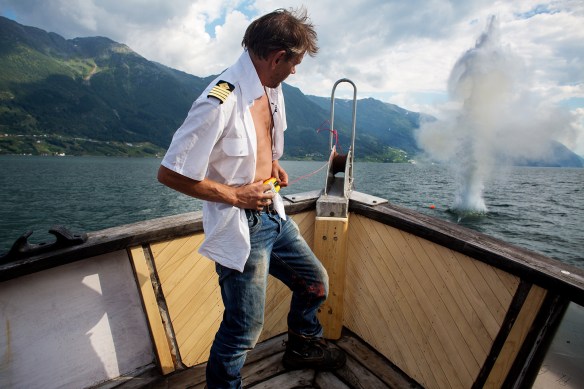
I spent a weekend in their company producing promotional pics for the show. This included travelling the fjord in a 90-year-old fishing vessel saluting weddings with dynamite and spending the rest of the day drinking and partaking in competitive spitting of sweet cherry stones (national record is 14.24 metres. We didn’t come close).

Dynamite. This is your typical three-stick-wedding-salute

Dynamite. This is your typical three-stick-wedding-salute

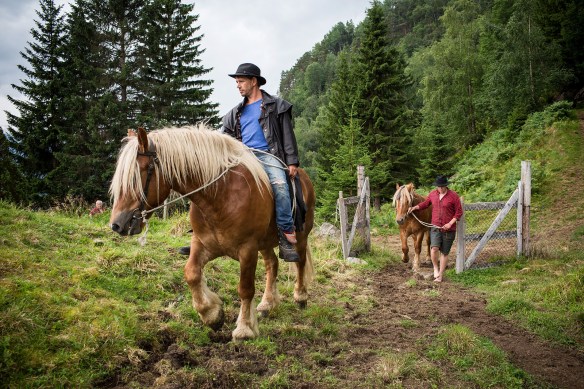
Come Sunday, I was still missing the crucial horseback cowboy shot, which left us with no choice but to chase down the good guys who’d gone into hiding in hope of dealing with their hangovers in solitude. No such luck of course, and soon enough we were traversing a ridiculously steep and narrow mountain road in search of horses. Horses and one hell of a rain shower, that is. You can’t expect it not to rain when you’re dealing with hung over bareback-riding of previously unridden horses, a film crew with expensive equipment and your only way down has the potential to turn into a mud slide.

There ain't much cattle in Hardanger. There are, however proper cowboys

There ain’t much cattle in Hardanger. There are, however, proper cowboys

The TV-series Fjorden Cowboys is produced by Flimmer Film and directed by Hildegunn Waerness. See the official teaser here.

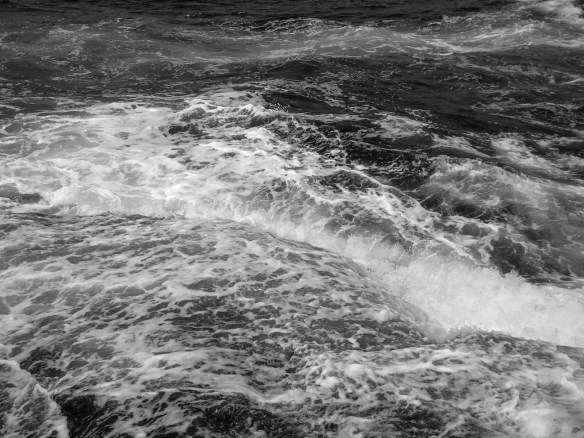
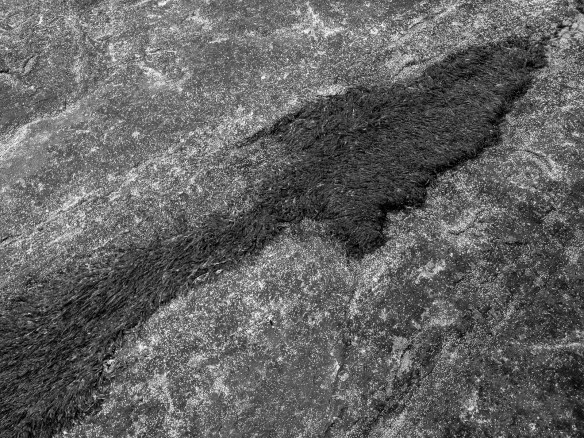
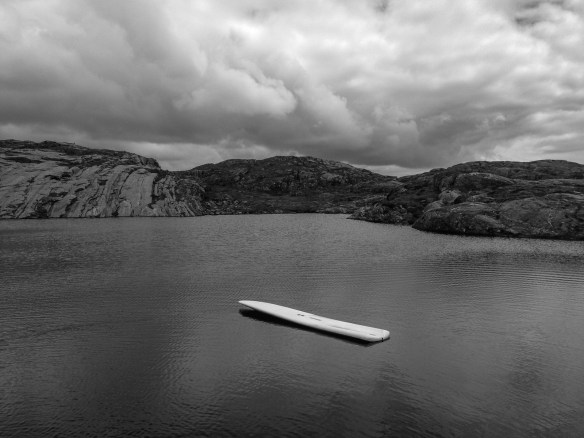
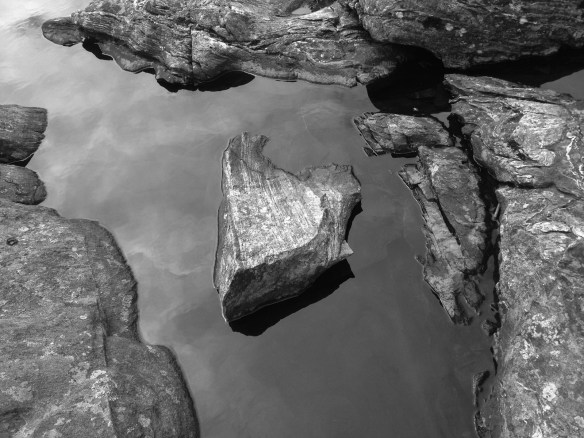
An Encyclopedia of Goltic Fauna Variations

Thousands upon thousands of brilliant creatures don’t exist.

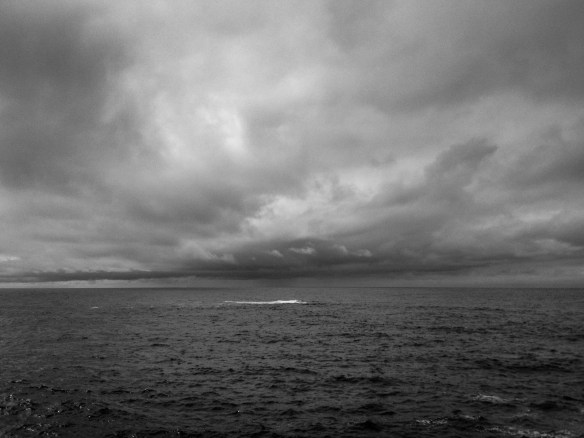
Northern camouflage sharks, breaching surface

Northern camouflage sharks, breaching surface

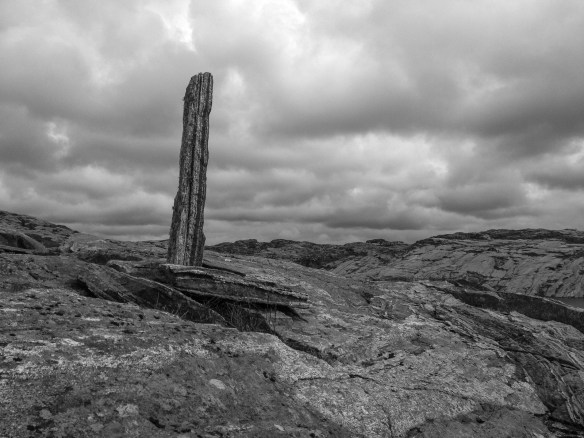
Terrestrial wolffish, rock feeder subspecies, mid-feeding

Terrestrial wolffish, rock feeder subspecies, mid-feeding

Wooing lichen, aka the flirting fungus

Wooing lichen, aka the flirting fungus

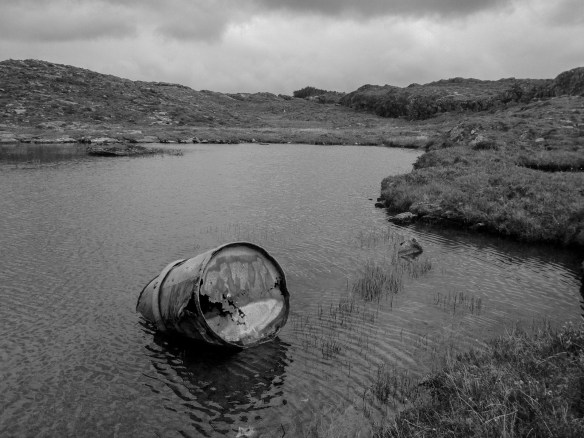
Barrel toad, hampered by oxidation sickness

Barrel toad, hampered by oxidation sickness

Steam powered sub-zebra, hunting crabs

Steam powered sub-zebra, hunting crabs

Pigmy archer ants, combat formation

Pigmy archer ants, migrating in combat formation

Flatbacked hovering hippo, albino specimen

Flatbacked hovering hippo, albino specimen

Mineral mimic micro-moose, hiding in plain sight, outsmarting even the cryptozoologist

Mineral mimic micro-moose, hiding in plain sight, outsmarting even the cryptozoologist

(Goltic is an adjective meaning of or relating to the area known as Golten outside Bergen. It’s a place with rocks, water and sheep)

Bridge Over Fjordy Water

Ferries are the dominant species in Norwegian fjords. But sometimes, if you’re really lucky, you may actually stumble upon a bridge.

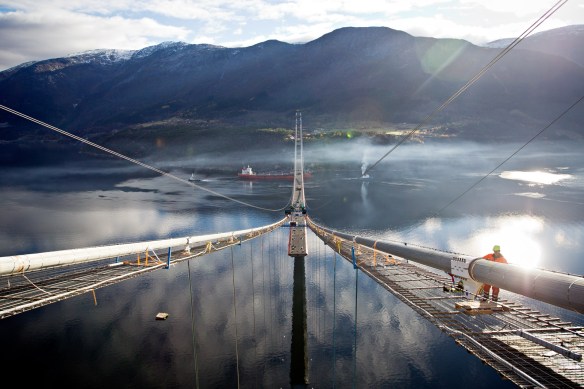
Bridge. Stumbled upon.

Bridge. Stumbled upon.

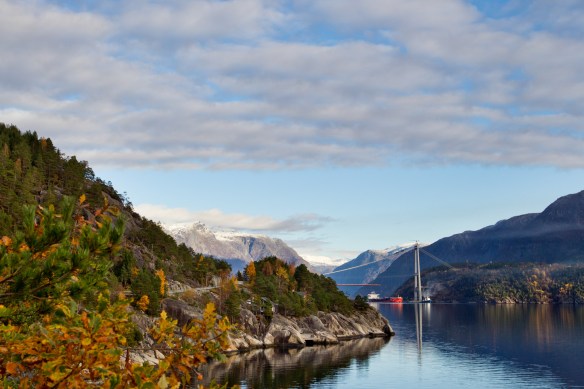
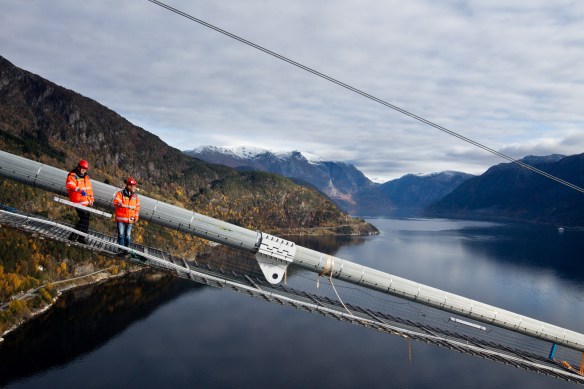
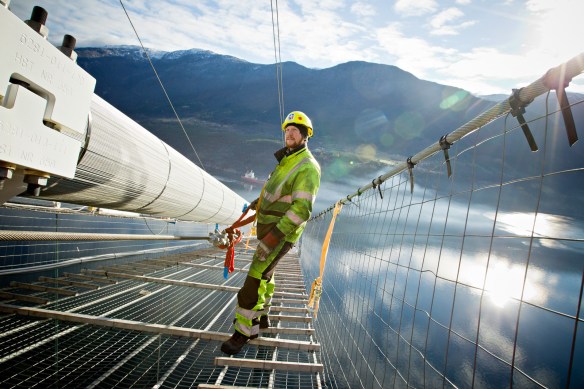
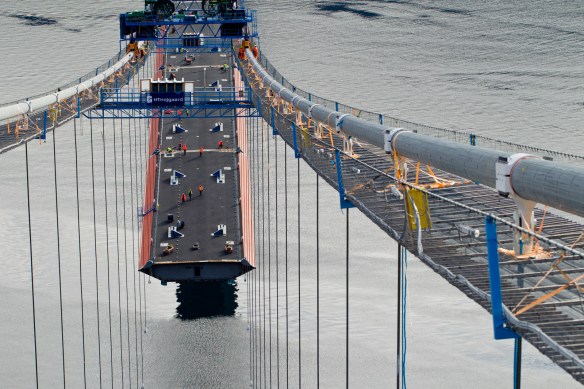
This is the Hardanger Bridge. It’s still under construction, but when it opens later this year, it will be one of the longest suspension bridges in the world. The towers, reaching over 200 meters, are also the tallest structures on the Norwegian mainland. Luckily there was a service elevator taking me to the top, so that I wasn’t too tired to be terrified when I got up there (actually they are so tall that the height becomes an almost abstract thing – thus it’s not really as frightening as it may look. But still).

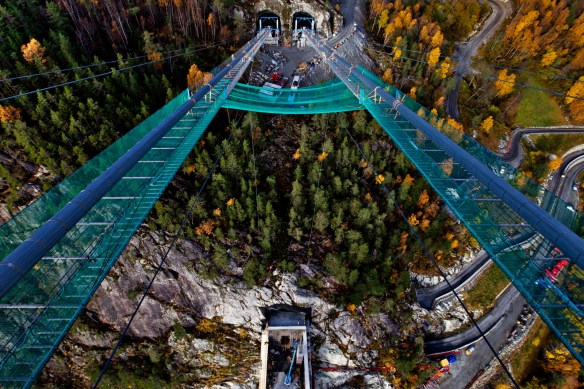
These pictures, commisioned by the magazine Tekna, were taken last autumn. Yesterday they got an honorary mention during The Norwegian Specialized Press Association’s award ceremony.

The Hardanger Fjord

The Hardanger Fjord. Nice-ish.

text

Over waters. Not very troubled.

text

Over land. Admittedly, I felt a bit more troubled here.

text

Cable guy.

text

Engineer.

text

Not ready for traffic.

Flying Colours

Norwegian blue is a fictional parrot, a state of mind and a real colour.

May 17

Sure, Norwegian blue isn’t its proper name. The indigo blue is more accurately called Pantone MS 281 U, but let’s stick with Norwegian blue for now. So imagine a cross in that colour, outlined in white on top a red base (or a PMS 032 U base, if you like). Width to length proportions of the base are 22:16, with colour elements having widths of 6:1:2:1:12 and lengths of 6:1:2:1:6 so that the vertical part of the cross is shifted to one side. What we have here is the Norwegian flag.

May 17

A nation’s flag will always be a symbol that folks very naturally invest a lot of feelings in. And as a symbol it represents the sum total of the values projected into it by the population of its country. Thus the symbolic values vary over time. At the time of its introduction in 1821, it was meant to symbolize both a certain concord between the Scandinavian people as well as Norwegian sovereignty. Using the tricolour of red, white and blue was also a nod to France and the USA, nations whose constitutions had inspired our own when that was drafted seven year prior.

May 17

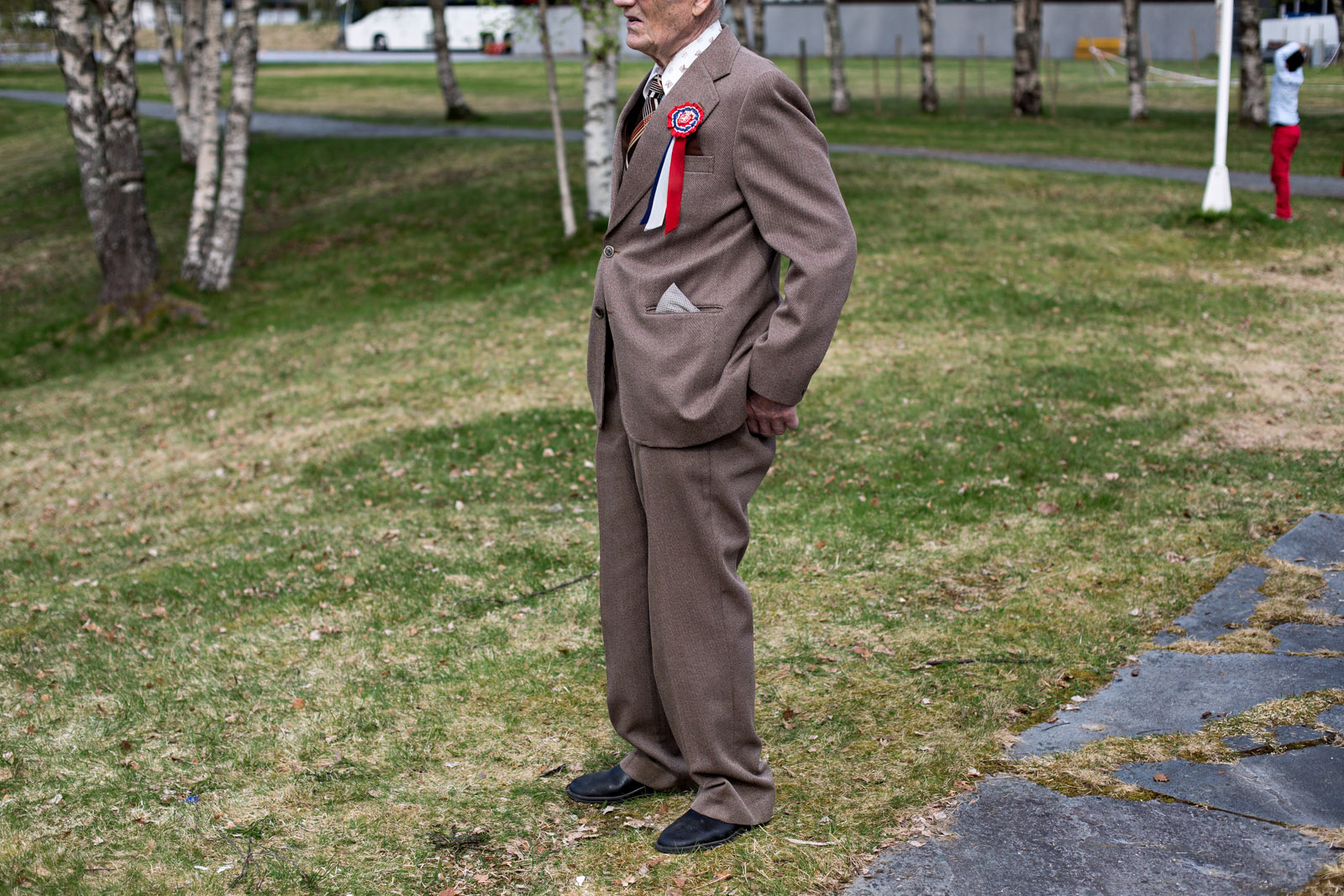
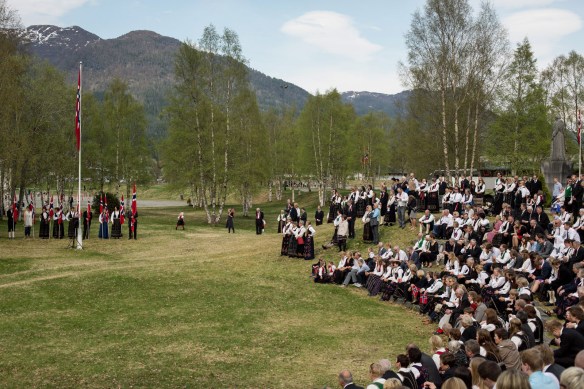
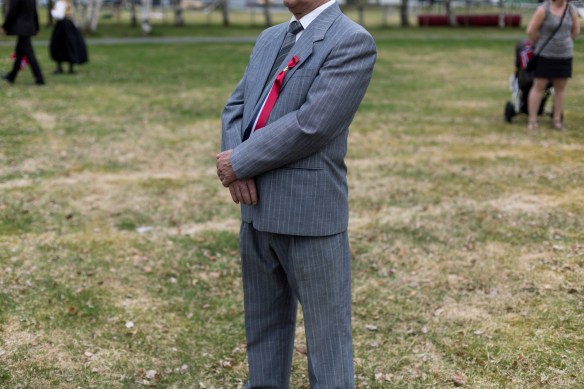
Last Friday was Norway’s National Day, celebrating the 199th anniversary of the signing of our constitution at Eidsvoll on May 17, 1814. As always, thousands upon thousands of flags were flying. These flags are no longer political instruments (well, of course flags are always politically charged, but not to the same extent as during Norway’s union to Sweden), neither are the flags a symbol of resistance, as during the WW2 occupation years. Today’s flags are celebratory flags, and what we are celebrating is our way of life.

May 17

Norwegians are a proud and self-righteous people any day of the year, but Constitution Day is of course something of a climax. This is probably the case for most countries’ National Days. Somehow Norwegians often manage to pull it off without too much sickening self-indulgence on the topic of our own excellence. Well, some do, at least. My hometown doesn’t. Bergen has perfected the act of indulging in excellence to a degree that’s certainly nauseating but also quite charming (some will disagree – Bergen is an acquired taste).

May 17

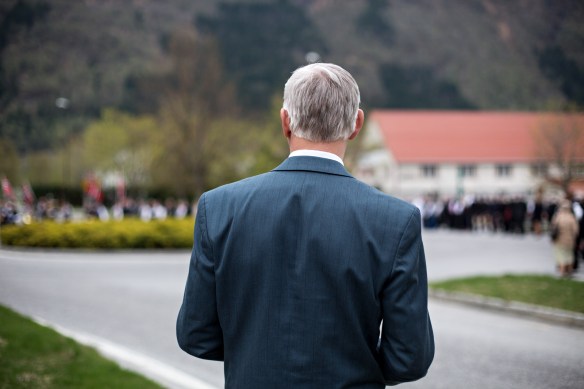
I wasn’t celebrating May 17 in Bergen this year. Instead, I was in Nordfjordeid, a small community in a county further north, with a population of less than 3,000 people. I wasn’t really celebrating here either, but that’s my own fault. Nordfjordeid is a nice place with laidback townsfolk, honest traditions and an unassuming yet proud way of observing days like this. But seeing that I feel lonely in crowds, am suspicious of parades and might possibly be called patriotically challenged, I’m not really inclined to National Days in general.

May 17

Don’t get me wrong: I’m genuinely proud of Norway’s egalitarian values and ideals, the welfare state and the kindness of my fellow Norwegians. I do indeed think that our constitution – being the basis of all this – is something very worthy of celebration. And I don’t really mind the way it is celebrated either. Although I am naturally sceptical to nationalism of any sort, the benign kind that is on display on May 17 doesn’t really bother me.

Still, pardon me for not partaking in the celebrations myself. In situations such as this, I usually find myself relegated to the role of the observer. And quite comfortably so, I might add.May 17May 17May 17May 17May 17

The Knack to Human Flight. Sorry, I Mean Happy Ferrying

Norway, having a somewhat fjordy coastline, has a lot of ferries.

Good view? Yes. Good food? Rarely.

Good view? Yes. Good food? Meh.

Being stuck in a ferry queue and damning the world is one of the most common Norwegian pastimes. Sometimes we also damn our fellow motorists for being too many and the shipowners for operating too few ships. We never damn ourselves for being too late, though.

Surviving the misery that is ferry travel relies on a few smart choices. Some are obvious: Bring a book. Take slow and deep breaths. Never have children (this goes for all travels by car, of course). And give yourself a reward.

Now, the last one – that is the knack to happy ferrying.

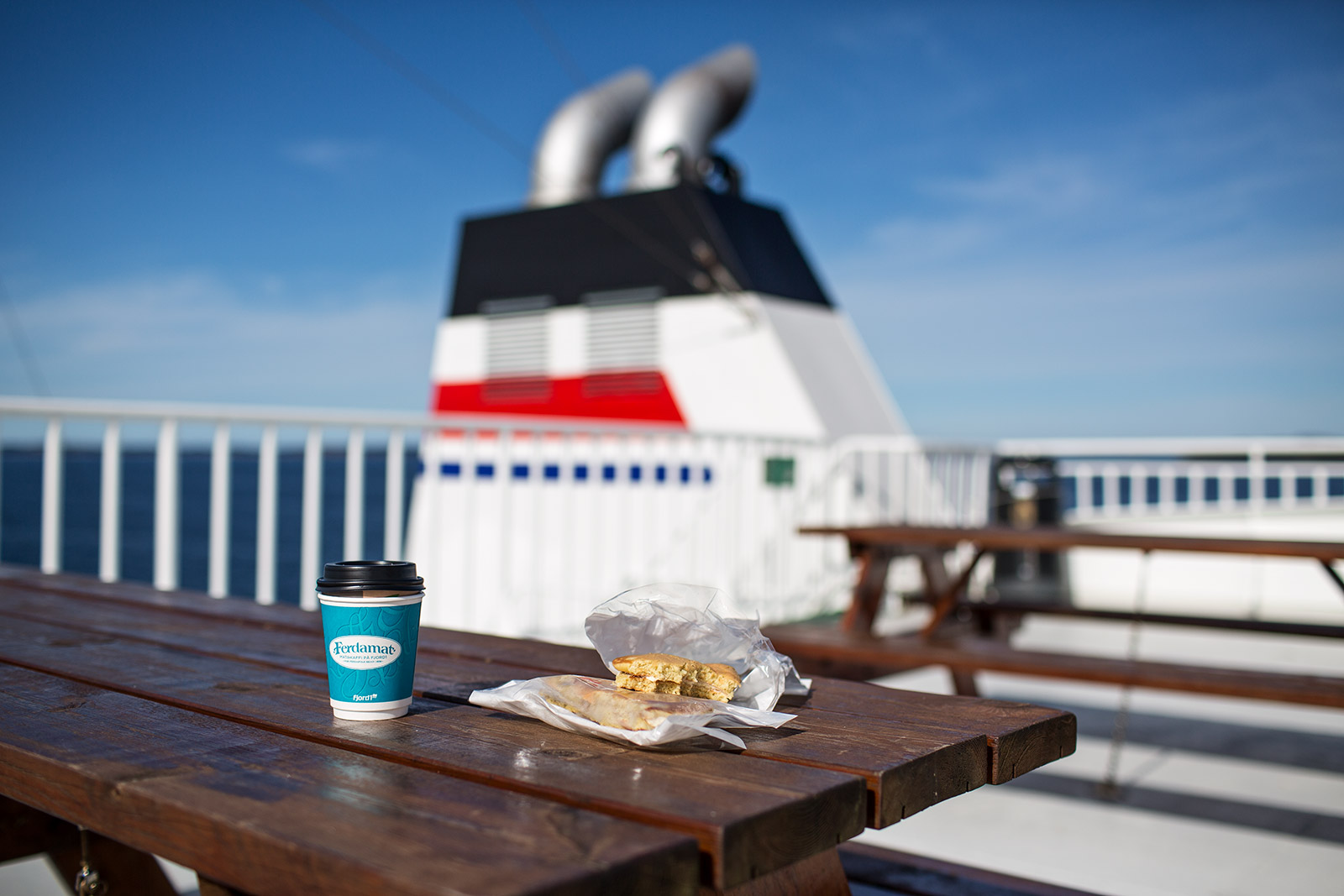
The ferry pancake. A lifesaver - or is it?

The ferry pancake. A lifesaver – or is it?

Side note: The knack to – that is one of my favourite expressions in English. I very much like the sound of it. Douglas Adams wrote that the knack to flying is learning how to throw yourself at the ground and miss. Well, I never learned that. But I try to say knack a lot.

Back to the ferries. Yes, the knack to happy ferrying is enjoying something called a “svele,” a thick pancake made with sodium bicarbonate and hartshorn. It’s the staple food onboard ferries, and as such, something that I will from here on refer to as ferry pancakes.

There are two schools of thought concerning the consumption of ferry pancakes. One swears to adding buttercream and sugar, which is fine. The other prefers brown cheese, which is just plain wrong.

Both schools, however, agree that just the thought of a coffee and a ferry pancake can relieve tensions that otherwise would have led to acts of bloody aggression while queuing. The svele is a peacekeeper.

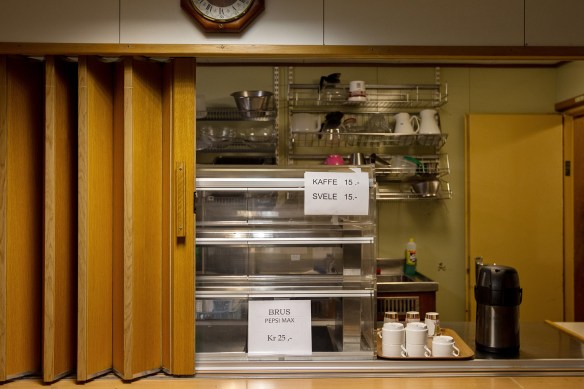
Coffee. Pancakes. Self service.

Coffee. Pancakes. Self service.

Rough seas are appreciated. You don't eat when you're seasick.

Rough seas are appreciated. You don’t eat when you’re seasick.

This concludes the part of this blog post that I wrote in the queue, before driving onboard and actually having one of these ferry pancakes. And now we’re through the looking-glass.

Because holy mother of mercy – holy mackerel with a mohawk! – that’s… actually quite nasty.

That’s not the way they are supposed to taste. They were supposed to be an instant relief to all ferry-related worries. Not like this doughy, bland and tasteless icky sweet loaf of mediocrity.

Could it be a bad sample? One simple bad product among the sublime pieces of heaven that my brain tries to recall? Better have another one just to be sure…

Nope.

Damn you, world!

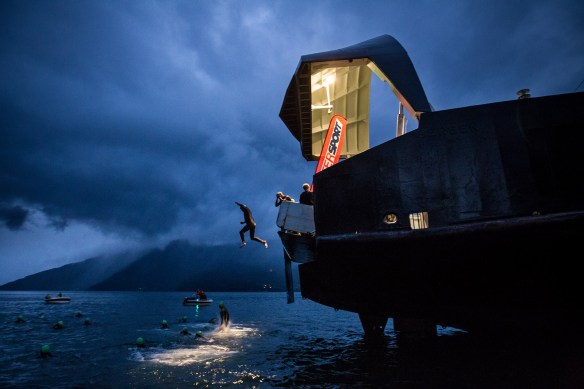
Sometimes when the ferry food is really bad, there is no option but evacuation.

Sometimes when the ferry food is really bad, there is no option but evacuation.