New York Fact Sheet

A set of ten facts* from the photographer’s very first encounter with America.
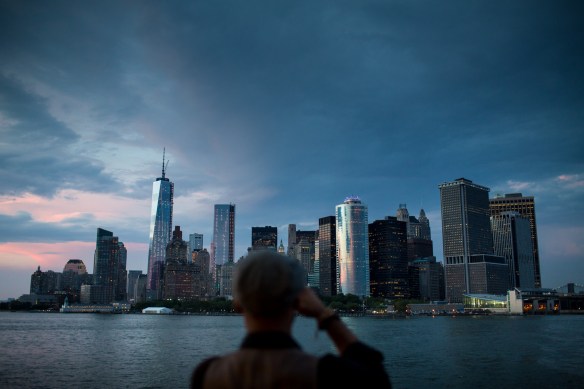
Manhattan
Manhattan

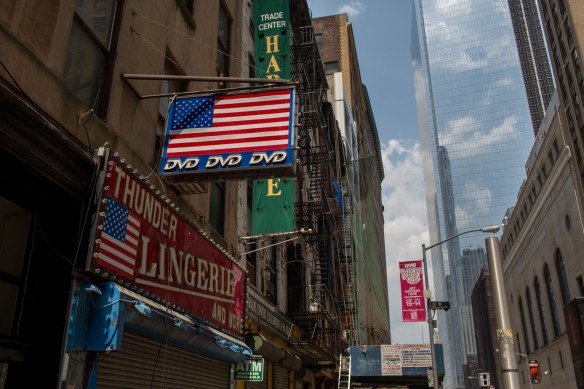
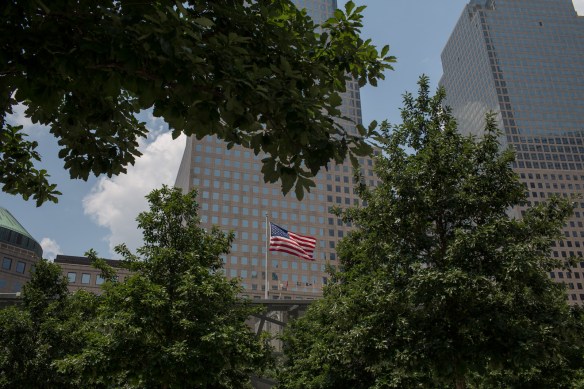
Ground Zero

Ground Zero

One block from Ground Zero

One block from Ground Zero

Fact one (pre-fact): Just south of Greenland’s Cape Farewell, at a height of 39,000 feet, an elderly gentleman watches the same inflight entertainment video of a skateboarding bulldog again and again. (This might be the best thing he ever saw.)

Fact two: Taxi driver Armando changes lanes on average 34 times a minute on his way from JFK to the Lower East Side. The Indian businessman in the Lincoln Town Car who didn’t drive like an arse but otherwise followed the same route arrived ahead of us.
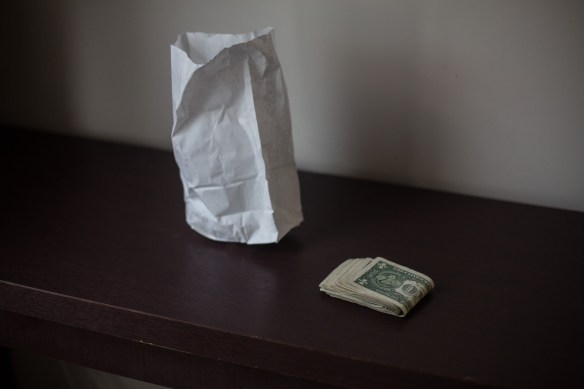
Donuts. And dollars

Donuts. And dollars

Fact three: WIthin two hours of arriving the US I had eaten a jelly donut in my underwear.

Fact four: The worst rower in the world is a large black woman in a rental boat on The Lake in Central Park. Her teenage daughter is not embarrassed at all, but lovingly supportive. (Hooray for the world.)
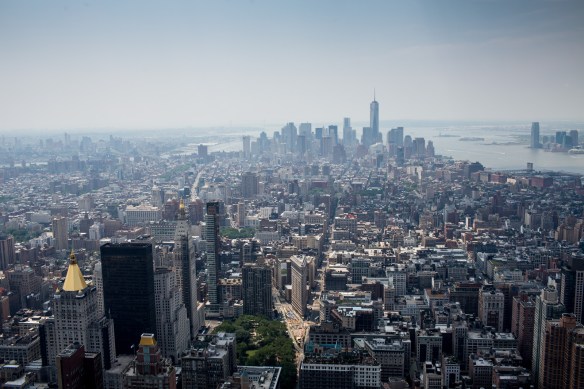
Manhattan. Again
Manhattan. Again

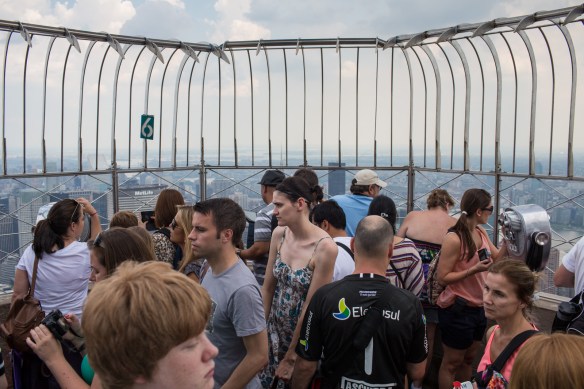
Empire State Building. Tourists on the 86th floor #1
Empire State Building. Tourists on the 86th floor #1

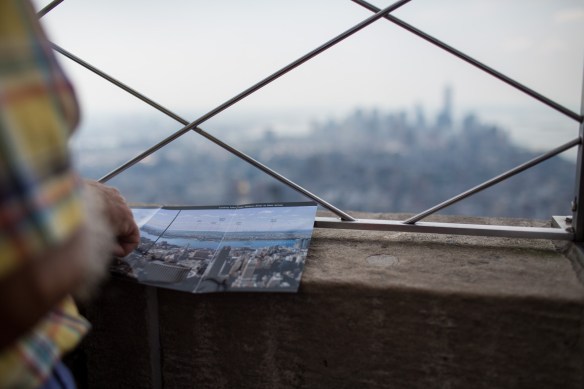
Empire State Building. Tourists on the 86th floor #2

Empire State Building. Tourists on the 86th floor #2

Fact five: The best picture I never took was the portrait of the two ten year old Jewish twin girls on Lee Avenue: identical flowery old fashioned dresses, identical oversized bows in their hair and identical joyless eyes (yes, we’re all thinking about the Grady Twins).

Fact six: You are very friendly – in a loud and very direct way. I’m a Northern European – as in proudly depressed and introvert. We need to work on our relationship.
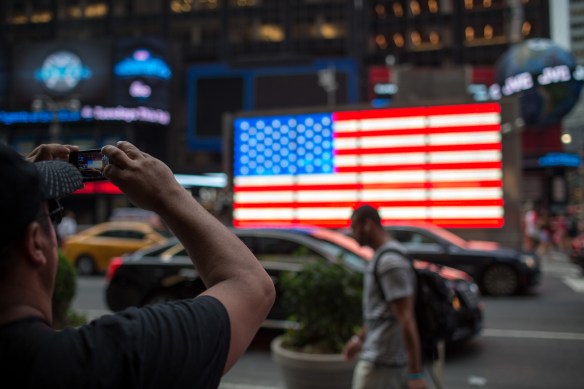
7th Ave w/ tourist

7th Ave. And tourist

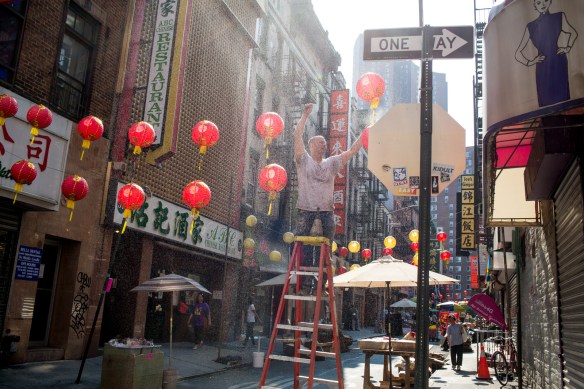
Chinatown

Chinatown

Fact seven: I’ve finally seen the Chelsea Hotel. (A favourite anecdote: Janis Joplin meets a young and unknown poet in the elevator of this hotel, and tells him “I’m looking for a man called Kris Kristofferson.” The unknown poet – that is Leonard Cohen – tells her “You’re in luck little lady. I’m Kris Kristofferson.”)

Fact eight: One New Yorker in a carnival-sized top hat keeps shouting “I’ve got hair under this, I’ve got hair under this!” while banging his fists on a hairdresser’s locked door. Another New Yorker offers some helpful tips on how to stop aging caused by sin. A third New Yorker promises $750,000,000 to the person or persons who will expose the FBI for putting a “poison tracking device” in his body.
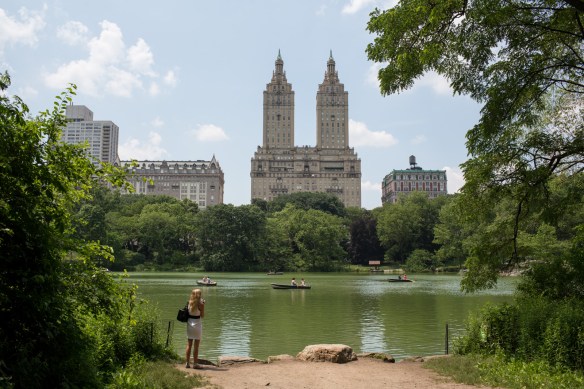
Tourist in Central Park #1
Tourist in Central Park #1

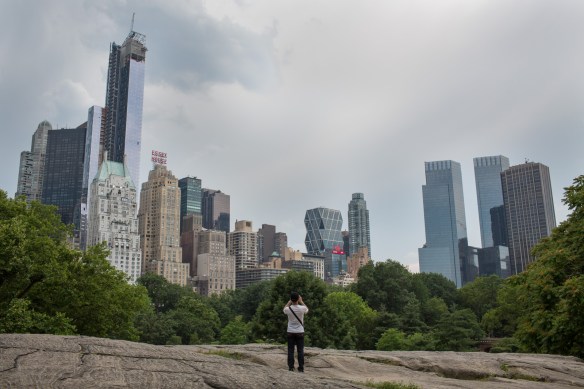
Tourist in Central Park #2

Tourist in Central Park #2

Fact nine: Looking for a place to piss and have a few more beers, I stumbled upon the stomping grounds of late photojournalist Tim Hetherington. The place called Half King is co-owned by Sebastian Junger, the author and filmmaker who collaborated with Hetherington on the Afghanistan verite documentary “Restrepo,” according to the LA Times.

Fact ten: I’m slowly growing accustomed to your boisterous manners. I think we will get along nicely, America.
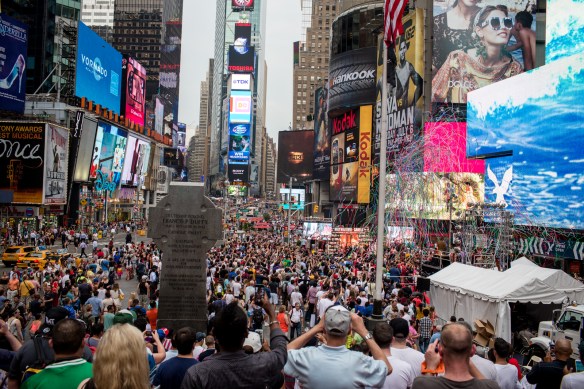
Tourists on Times Square
Tourists on Times Square

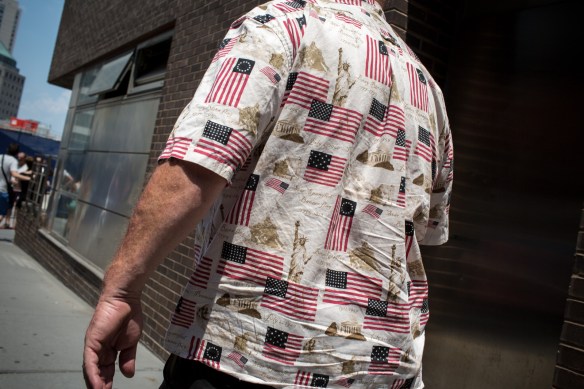
Tourist in general
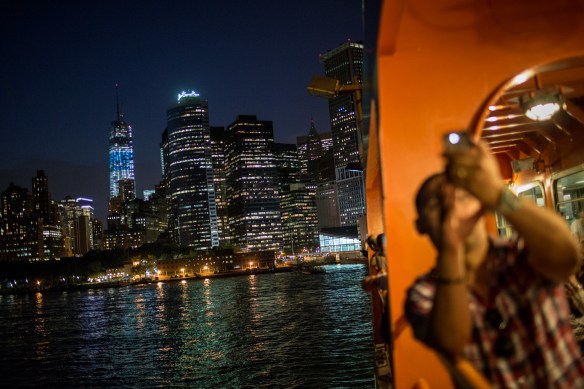
Tourist in general

Tourist on the Staten Island Ferry

Tourist on the Staten Island Ferry

* By facts I mean “facts”. 

BTW: In the blog piece The Tourist and The Tulip I explain some of my motivation for blogging on this trip.
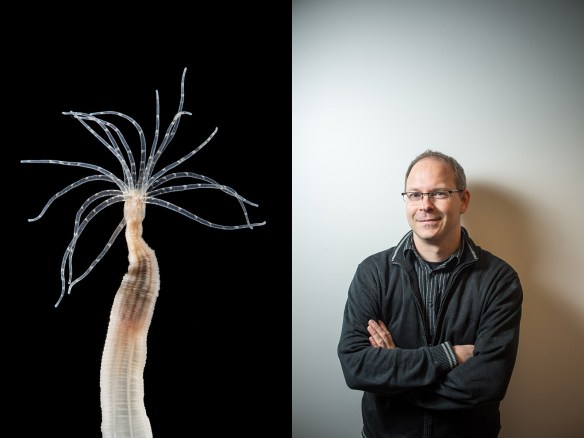
How to Train Your Sea Anemone

How do you make a tiny anemone look like it’s leaning nonchalantly against a wall with arms crossed and a clever smile?

Odd couple. The model organism and the biologist

Odd couple. The model organism and the molecular biologist

Answer: With great difficulty.

Conceptually relevant portraiture of scientists is a tough discipline, which often ends in horrible clichés and/or tragedy. Do a google image search for the term “scientist” – then try not to gouge out your eyes with a broken test tube.

I do quite a lot of science portraits, I have done it for years – and I still find it really difficult to produce consistently interesting results which don’t rely on clichés or cheap gimmicks. With some clients, and especially the annual report assignments, the job tends to centre around the same type of research, the same people, the same labs year after year.

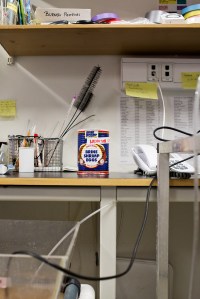
Live brine shrimp eggs. It's like candy

Live brine shrimp eggs. It’s like candy

Some months ago I was hired to make a portrait of the molecular biologist Fabian Rentzsch for the annual report of Uni Research. I’ve taken Mr. Rentzsch’s portrait at least once before, and the lab setting of rows upon rows of small tanks with model organisms were very similar to those that had featured prominently in other environmental portraits for the same client. So I was looking for a drastically different solution.

Then I had the incredibly stupid idea of posing the scientist and his model organism in the same manner for a double portrait. Stupid because trying to coax the Nematostella Vectensis, a creature just 15 mm (half an inch) long, to do as you tell it just ain’t especially easy. And accidentally sucking it (and its sibling!) into the pipette you’re using to manage the Petri dish studio doesn’t help its mood. But with time comes results. Time and treats that is. Now who wants a live brine shrimp egg? Do you want a live brine shrimp egg? That’s a good boy!

An Encyclopedia of Goltic Fauna Variations

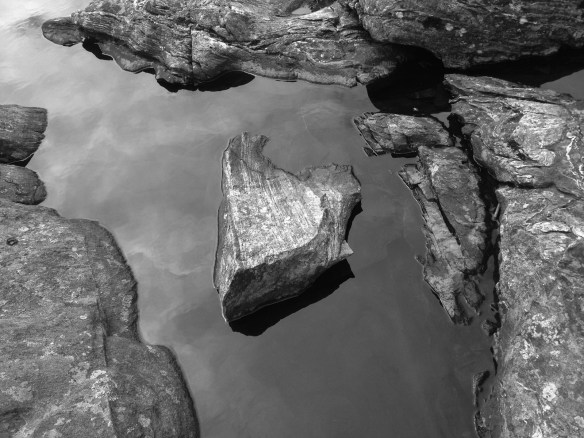
Thousands upon thousands of brilliant creatures don’t exist.

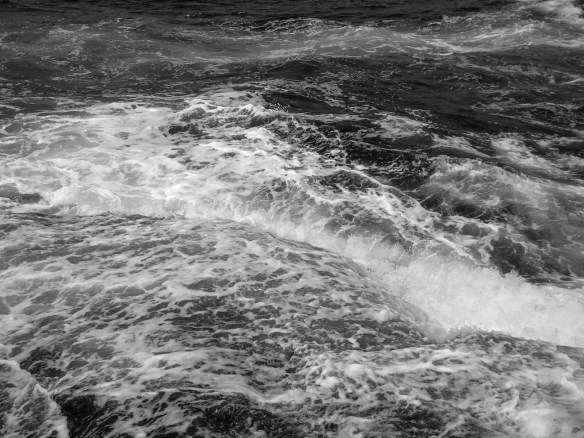
Northern camouflage sharks, breaching surface

Northern camouflage sharks, breaching surface

Terrestrial wolffish, rock feeder subspecies, mid-feeding

Terrestrial wolffish, rock feeder subspecies, mid-feeding

Wooing lichen, aka the flirting fungus

Wooing lichen, aka the flirting fungus

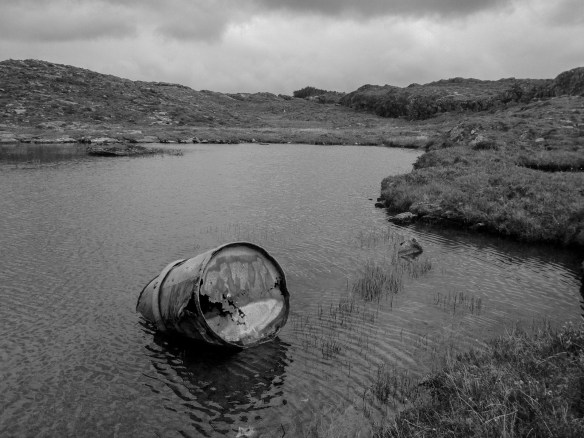
Barrel toad, hampered by oxidation sickness

Barrel toad, hampered by oxidation sickness

Steam powered sub-zebra, hunting crabs

Steam powered sub-zebra, hunting crabs

Pigmy archer ants, combat formation

Pigmy archer ants, migrating in combat formation

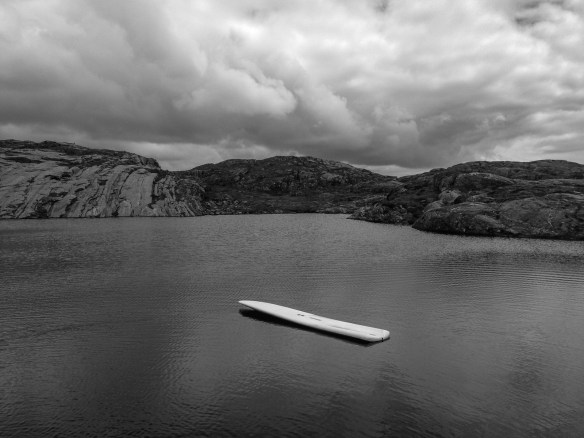
Flatbacked hovering hippo, albino specimen

Flatbacked hovering hippo, albino specimen

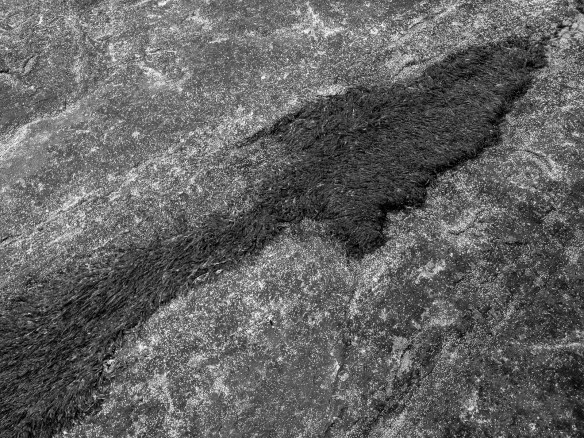
Mineral mimic micro-moose, hiding in plain sight, outsmarting even the cryptozoologist

Mineral mimic micro-moose, hiding in plain sight, outsmarting even the cryptozoologist

(Goltic is an adjective meaning of or relating to the area known as Golten outside Bergen. It’s a place with rocks, water and sheep)

Bridge Over Fjordy Water

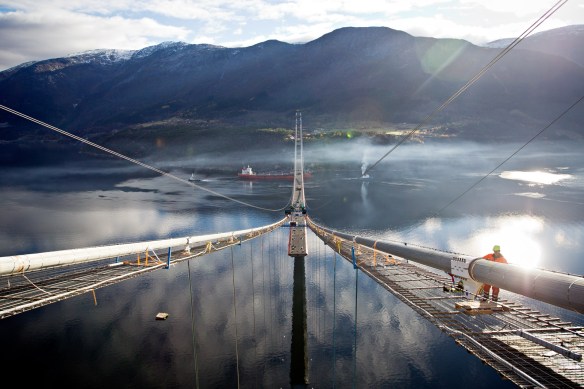
Ferries are the dominant species in Norwegian fjords. But sometimes, if you’re really lucky, you may actually stumble upon a bridge.

Bridge. Stumbled upon.

Bridge. Stumbled upon.

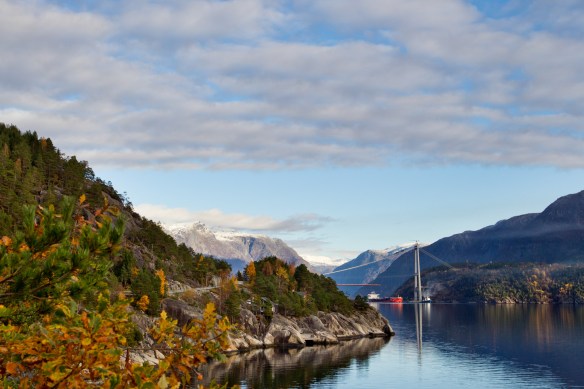
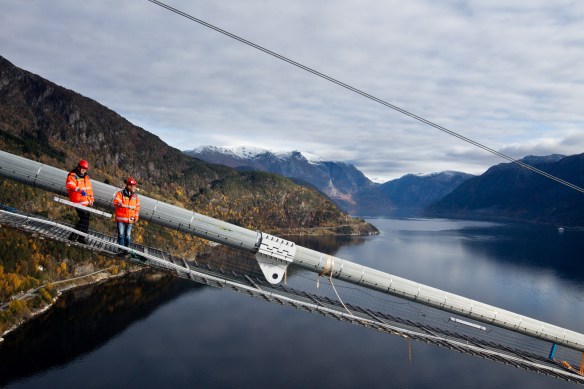
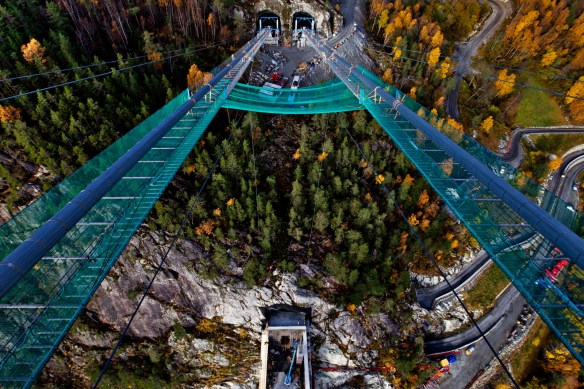
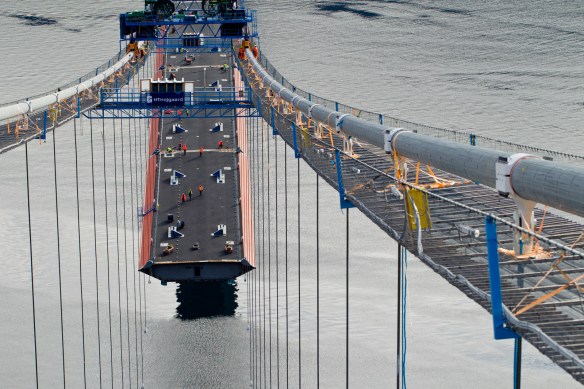
This is the Hardanger Bridge. It’s still under construction, but when it opens later this year, it will be one of the longest suspension bridges in the world. The towers, reaching over 200 meters, are also the tallest structures on the Norwegian mainland. Luckily there was a service elevator taking me to the top, so that I wasn’t too tired to be terrified when I got up there (actually they are so tall that the height becomes an almost abstract thing – thus it’s not really as frightening as it may look. But still).

These pictures, commisioned by the magazine Tekna, were taken last autumn. Yesterday they got an honorary mention during The Norwegian Specialized Press Association’s award ceremony.

The Hardanger Fjord

The Hardanger Fjord. Nice-ish.

text

Over waters. Not very troubled.

text

Over land. Admittedly, I felt a bit more troubled here.

text

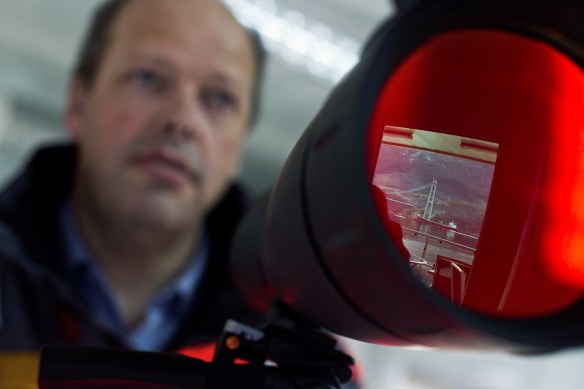
Cable guy.

text

Engineer.

text

Not ready for traffic.

Portrait of a Building

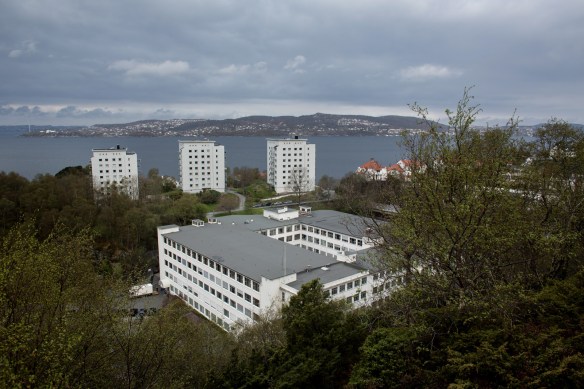
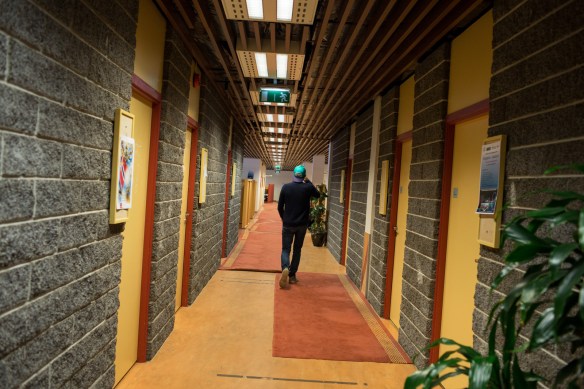
Once a spinning mill, then a business school, soon to be abandoned. merino01

I don’t think I ever did a shoot there without getting lost somehow. Being a former spinning mill, the so-called Merino Building is a maze of confusing mezzanines, spiral staircases, back doors and outdated signposts. For close to 40 years, this was part of the Norwegian School of Economics. Now both students and staff are moving into a new building on the main campus, leaving the old mill behind. I was commissioned to make a series of pictures before all activity ceased – and immediately got carried away, spending several days loitering in the hallways, disturbing students in their exams and discussing the concept of Buddhist Economics and homemade Scream pastiches in the academic realm.

These are the Merino files.

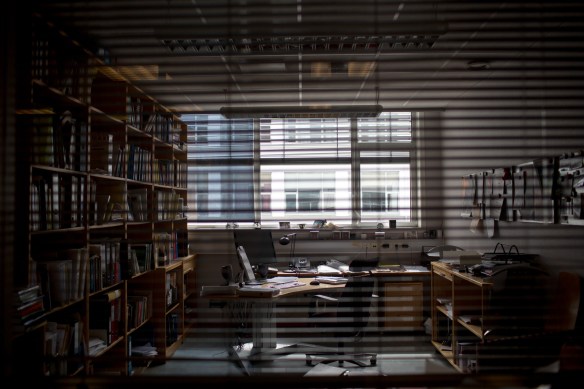
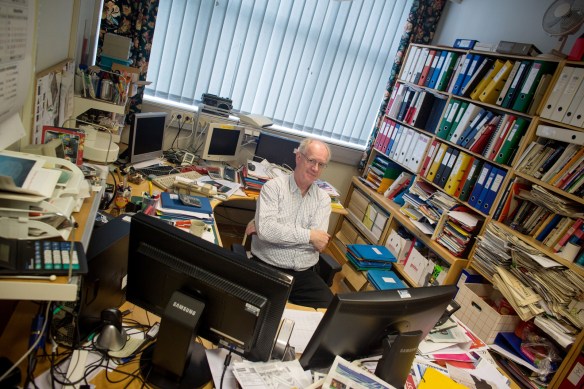
The office. One of many soon to be emptied.

The office.

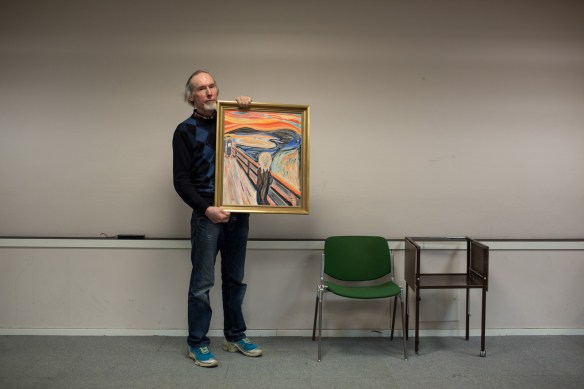
The Academic Scream. Ethics professor Knut Ims and his Scream pastiche.

The ethics professor. Knut Ims and his Scream pastiche.

The director's office,

The director’s office.

Students #1

Student #1

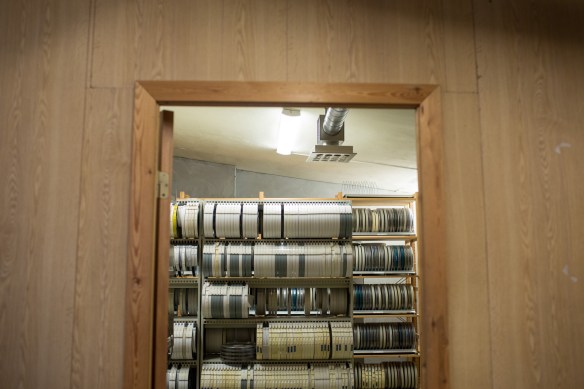
Backup. Anno 1978.
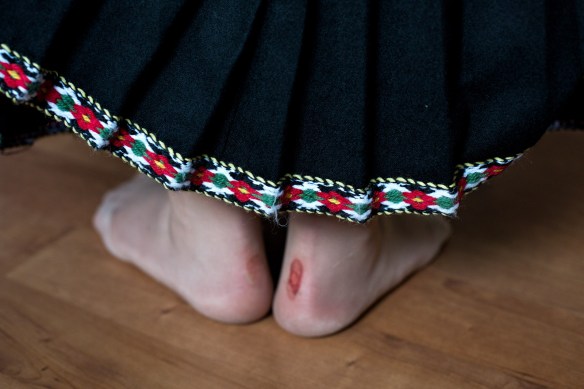
Backup. Anno 1978.

Quite funny in Norwegian. Not untranslatable. But lazy caption writer.

Funny in Norwegian. Not untranslatable. But I’m lazy.

Students #2

Student #2

The manager. Nils Netteland in his lovely office.

The manager. Nils Netteland in his office.

Some Good Questions

Is Beatle Fifth a good name for a baby girl?

Are dimensions a fundamental property of the universe or an emergent result of other physical laws?

How long is a sausage?

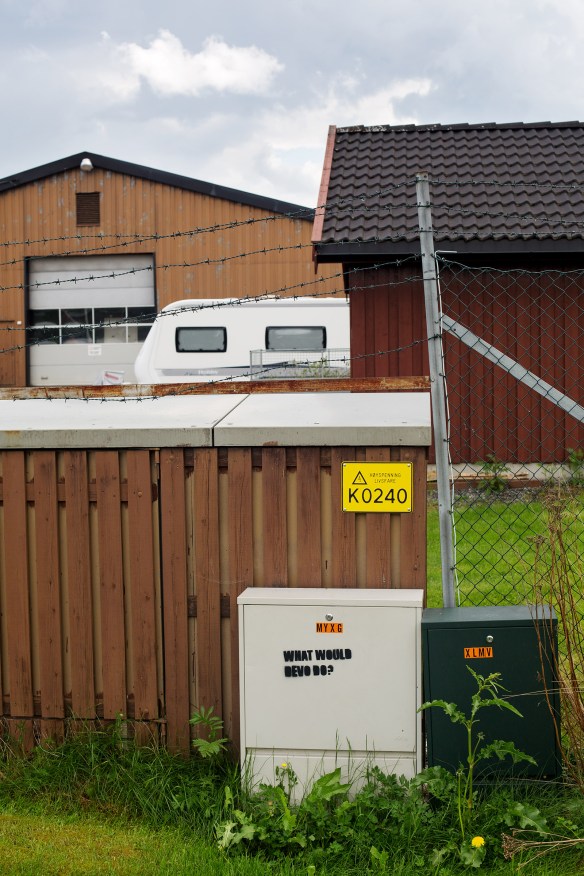
What Would Jesus Devo Do?

The phrase "What would Devo do?" (often abbreviated to WWDD) is often used as a personal motto for adherents of New Wave. The phrase is a reminder of their belief in a moral imperative to act in a manner that would demonstrate the love of middled age men wearing funny hats through the actions of the adherents.

The phrase “What would Devo do?” (often abbreviated to WWDD) is often used as a personal motto for adherents of new wave. The phrase is a reminder of their belief in a moral imperative to act in a manner that would demonstrate the love of middle aged men wearing funny hats through the actions of the adherents.

Flying Colours

Norwegian blue is a fictional parrot, a state of mind and a real colour.

May 17

Sure, Norwegian blue isn’t its proper name. The indigo blue is more accurately called Pantone MS 281 U, but let’s stick with Norwegian blue for now. So imagine a cross in that colour, outlined in white on top a red base (or a PMS 032 U base, if you like). Width to length proportions of the base are 22:16, with colour elements having widths of 6:1:2:1:12 and lengths of 6:1:2:1:6 so that the vertical part of the cross is shifted to one side. What we have here is the Norwegian flag.

May 17

A nation’s flag will always be a symbol that folks very naturally invest a lot of feelings in. And as a symbol it represents the sum total of the values projected into it by the population of its country. Thus the symbolic values vary over time. At the time of its introduction in 1821, it was meant to symbolize both a certain concord between the Scandinavian people as well as Norwegian sovereignty. Using the tricolour of red, white and blue was also a nod to France and the USA, nations whose constitutions had inspired our own when that was drafted seven year prior.

May 17

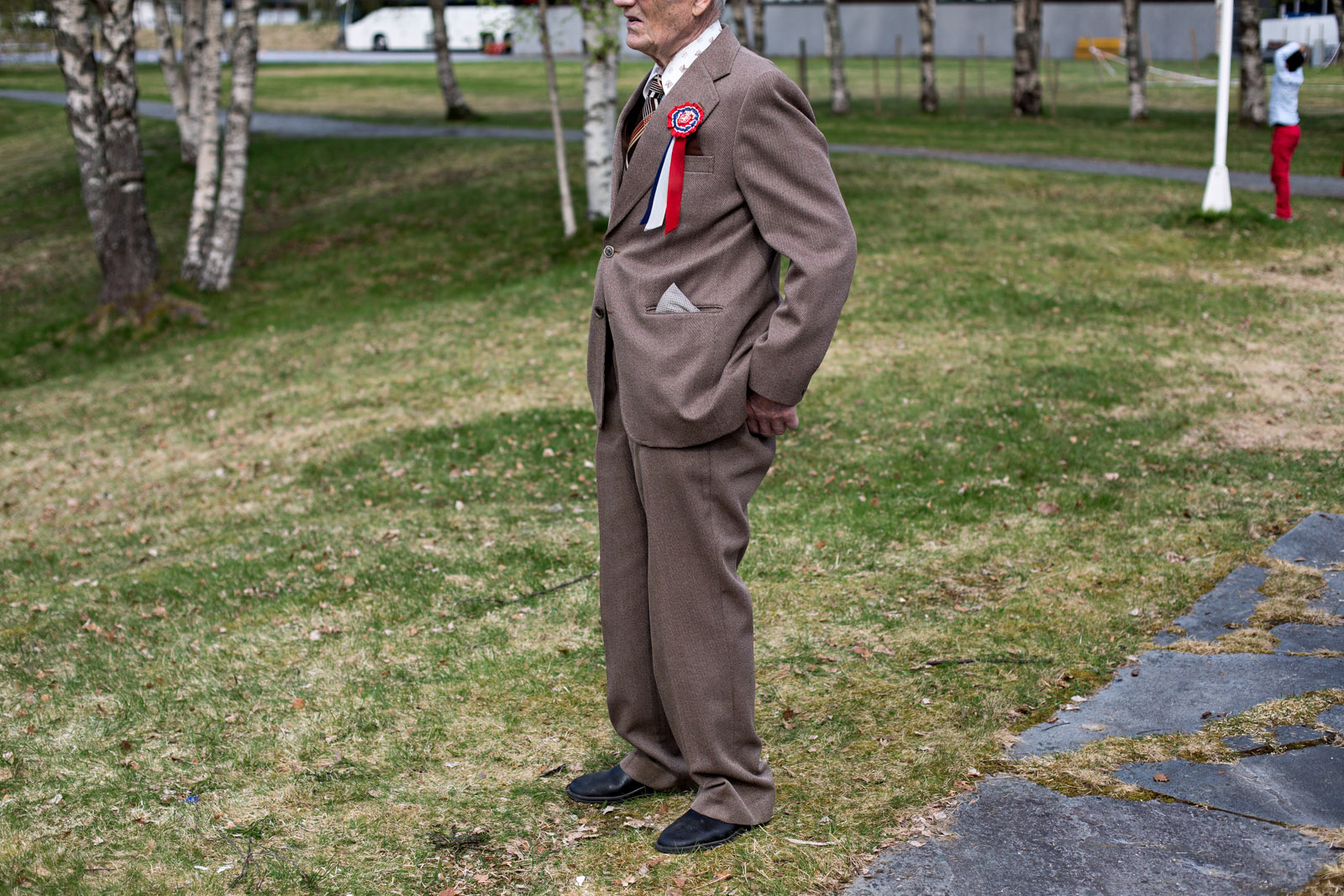
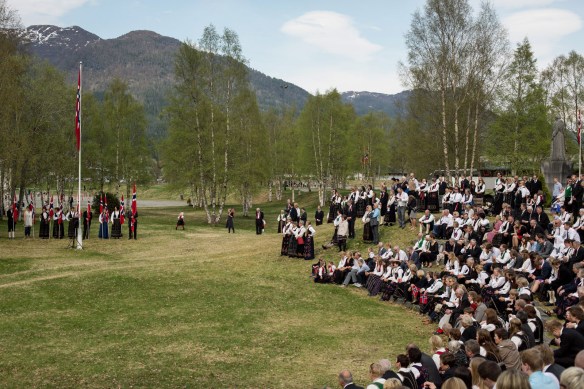
Last Friday was Norway’s National Day, celebrating the 199th anniversary of the signing of our constitution at Eidsvoll on May 17, 1814. As always, thousands upon thousands of flags were flying. These flags are no longer political instruments (well, of course flags are always politically charged, but not to the same extent as during Norway’s union to Sweden), neither are the flags a symbol of resistance, as during the WW2 occupation years. Today’s flags are celebratory flags, and what we are celebrating is our way of life.

May 17

Norwegians are a proud and self-righteous people any day of the year, but Constitution Day is of course something of a climax. This is probably the case for most countries’ National Days. Somehow Norwegians often manage to pull it off without too much sickening self-indulgence on the topic of our own excellence. Well, some do, at least. My hometown doesn’t. Bergen has perfected the act of indulging in excellence to a degree that’s certainly nauseating but also quite charming (some will disagree – Bergen is an acquired taste).

May 17

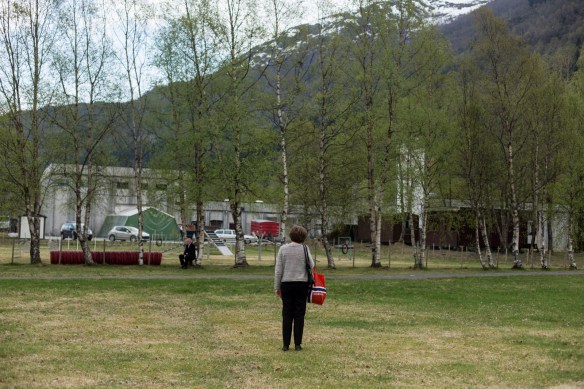
I wasn’t celebrating May 17 in Bergen this year. Instead, I was in Nordfjordeid, a small community in a county further north, with a population of less than 3,000 people. I wasn’t really celebrating here either, but that’s my own fault. Nordfjordeid is a nice place with laidback townsfolk, honest traditions and an unassuming yet proud way of observing days like this. But seeing that I feel lonely in crowds, am suspicious of parades and might possibly be called patriotically challenged, I’m not really inclined to National Days in general.

May 17

Don’t get me wrong: I’m genuinely proud of Norway’s egalitarian values and ideals, the welfare state and the kindness of my fellow Norwegians. I do indeed think that our constitution – being the basis of all this – is something very worthy of celebration. And I don’t really mind the way it is celebrated either. Although I am naturally sceptical to nationalism of any sort, the benign kind that is on display on May 17 doesn’t really bother me.

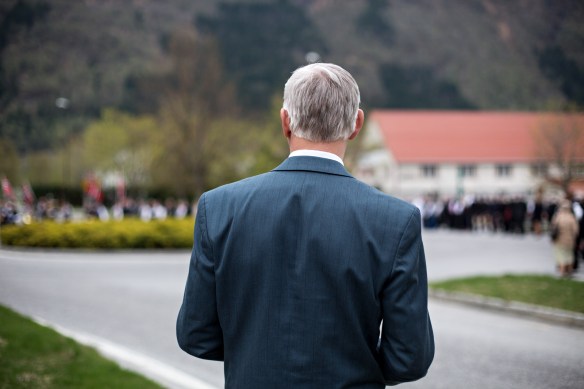
Still, pardon me for not partaking in the celebrations myself. In situations such as this, I usually find myself relegated to the role of the observer. And quite comfortably so, I might add.May 17May 17May 17May 17May 17

Museum Watching

I go to formal openings for the same reason I go to zoos: to watch the people.

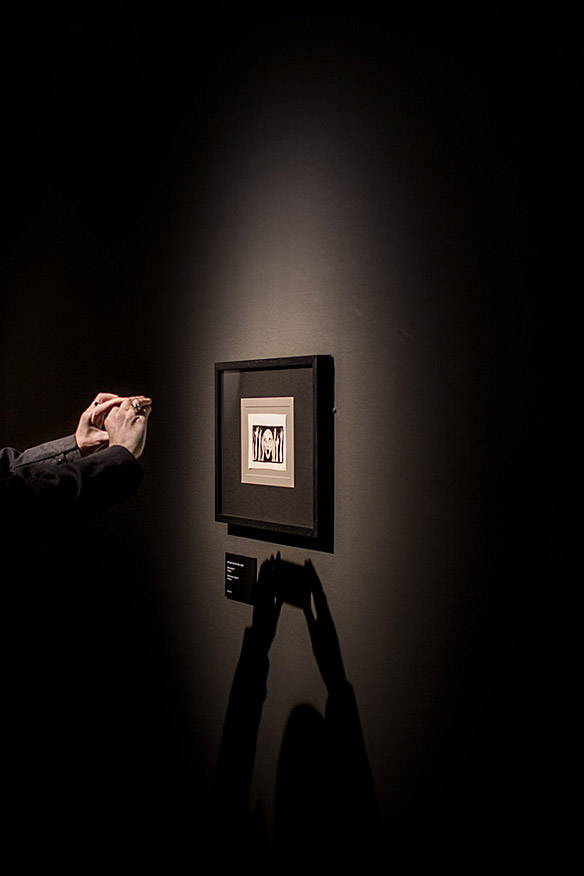
Say Scream cheese. Shooting a pen and ink version of one of the world's most famous works of art.

Say Scream cheese. Shooting a pen and ink version of one of the world’s most famous works of art.

Then a few days or weeks later, I return to actually see the exhibition. But opening day is all about the crowd. Yesterday was the reopening of The Rasmus Meyer Collection at The KODE Art Museums of Bergen. One of the largest collections of Edvard Munch paintings in the world was among the works on display. Some 700 people visited the museum during the day, and looking at the queue a few minutes before the doors opened, most of them thought it a good idea to come at the exact same time. I guess quite a few actually was interested in hearing the director’s speech, but I suspect that for some it was of equal importance to be seen themselves.

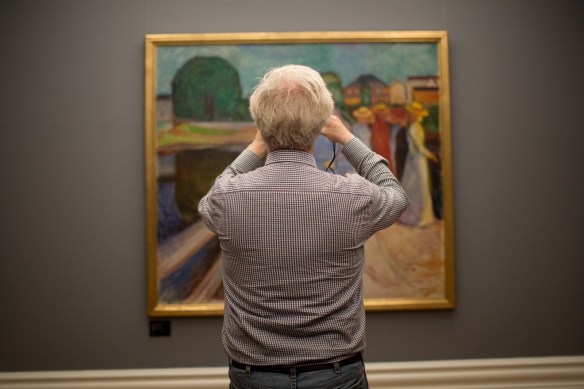
Women on The Jetty. Photographer in front.

Women on The Jetty. Photographer in front.

Long is the line. And cold. And wet. That out of light day leads into the dark arts.

Long is the line. And cold. And wet. That out of light day leads into the dark arts.

I was in that queue, but seeing that I wouldn’t get in with the first (and keenest and thus most photogenic) wave of visitors, I left and had a few coffees elsewhere. Returning a couple of hours later, the speech was over and the crowd had thinned out quite a bit (possibly to go and observe World Naked Gardening Day). At this time it was possible to actually see the Munch paintings, but considering what I had really hoped to capture – the ladies of the arts clutching their glasses of faux Champagne and investing in their cultural capital by mere attendance – it was also a bit of a downer.

Watching the watchers

Incidentally (or maybe not) two of my favourite photographers have also worked a lot with the theme of museums and their visitors – in two very different manners. Thomas Struth, a German photographer associated with the so-called Düsseldorf school of photography (including Andreas Gursky, Candida Höfer, Axel Hütte and Thomas Ruff) makes extremely rigid, sober and straight-on pictures with large format cameras – and usually presents his works in gigantic prints often measuring two by two meters. In his museum series, he would set up his 13×18 camera in front of certain works of art and wait long hours or even days before feeling that the crowds in front of him fell into the right formation. I especially remember seeing a large exhibition of his in the Whitechapel Gallery in East London a few years ago. If I remember correctly, one of his pictures from the Art Institute of Chicago – printed so large that the people in the picture was almost life-size – was the very first thing you saw when you came in through the doors. And that meta feeling of me, an actual gallery-goer, looking at a huge photographs of other gallery-goers looking at paintings – that is really, really engaging.

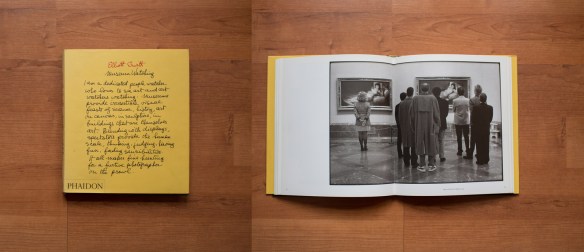
The other museum watching favourite is Elliot Erwitt, a Magnum photographer and the grand master of ironic and absurd photography. He actually has a book called Museum Watching, consisting of pictures from 40 years of attending museums in his spare time in between assignments. Compared to Thomas Struth, Elliot represents the opposite end of documentary photography. Working with small Leica cameras, his work is spontaneous and affectionate and more often than not very witty. His Museum Watching book is in no way one of his best, but at times it is absolutely superb. I honestly think that his 1995 picture from Museo del Prado in Madrid is one of the funniest photographs ever made (Erwitt has several contenders for this prize).

Elliot Erwitt's picture Museo del Prado, Madrid, 1995, photographed off of his book Museum Watching.

Elliot Erwitt’s picture Museo del Prado, Madrid, 1995, photographed off of his book Museum Watching.

Looking through Erwitts and Struths work today, there is one thing that strikes me: no one in the pictures are taking their own pictures of the art. Since then of course, the camera phone arrived. Yesterday at the The Rasmus Meyer Collection, as good as everyone was snapping away. A few were seemingly trying to capture the mood of the opening, but most were taking pics of the paintings, and I guess a fair share of those pics were going straight on Instagram and the like – showing that yes, we were there.

According to Thomas Struth: “[…] when art works were made, they were not yet icons or museum pieces. When a work of art becomes fetishized, it dies.” I’m not so cynical myself. Munch’s work is obviously fetishized, but I have a feeling that it’s still able to evoke some feelings independently of the fact that they are Munch paintings. But it’s difficult, of course. The Scream, for example, is so much a part of our common cultural heritage that I find it impossible to separate the picture itself and my emotional response to it from its role as an artefact in popular culture. The only Scream on display at The Rasmus Meyer Collection is a tiny pen and ink version. I don’t think that will be able to elicit any new emotions. But maybe some of the other works will. I’ll have to return another day to find that out. And leave my camera at home.

The director's speech. Spoken.

The director’s speech. Spoken.

April Showers Bring What Exactly?

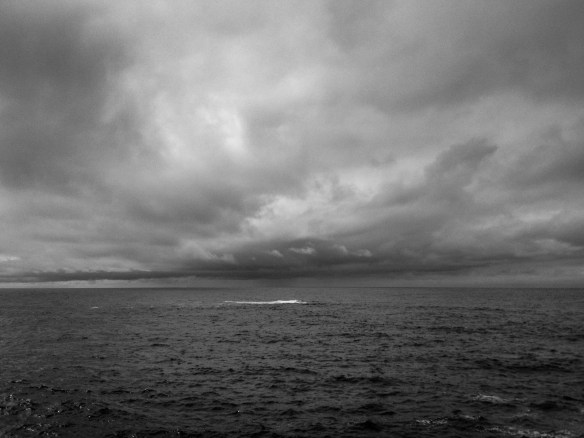
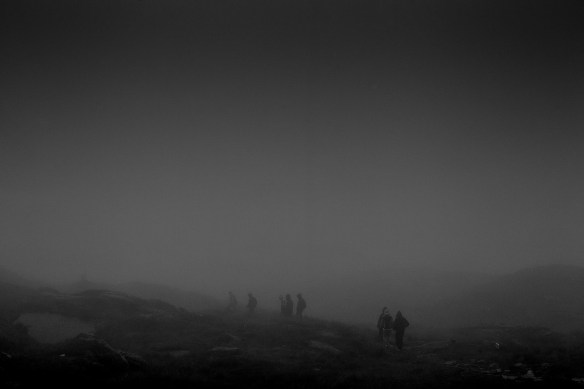
The sun shines, having no alternative, atop the clouds. Below is misery.

May 3. I woke up to this view.

May 3. I woke up to this view.

The weather is the fallback topic of any conversation gone stale. I don’t believe this blog has gone stale quite yet, but I’m still writing about the weather. Go figure. 

Here, west of the mountains, the default weather is either “raining” or “inbetween two showers” – the latter something we actually have a dedicated word for in Norwegian: “Opplett” means “yes, it is actually raining. Just not right now.”

Mt. Ulriken in July 2011. Compare with the official  official tourist view.

Mt. Ulriken in July 2011. Compare with the official tourist view.

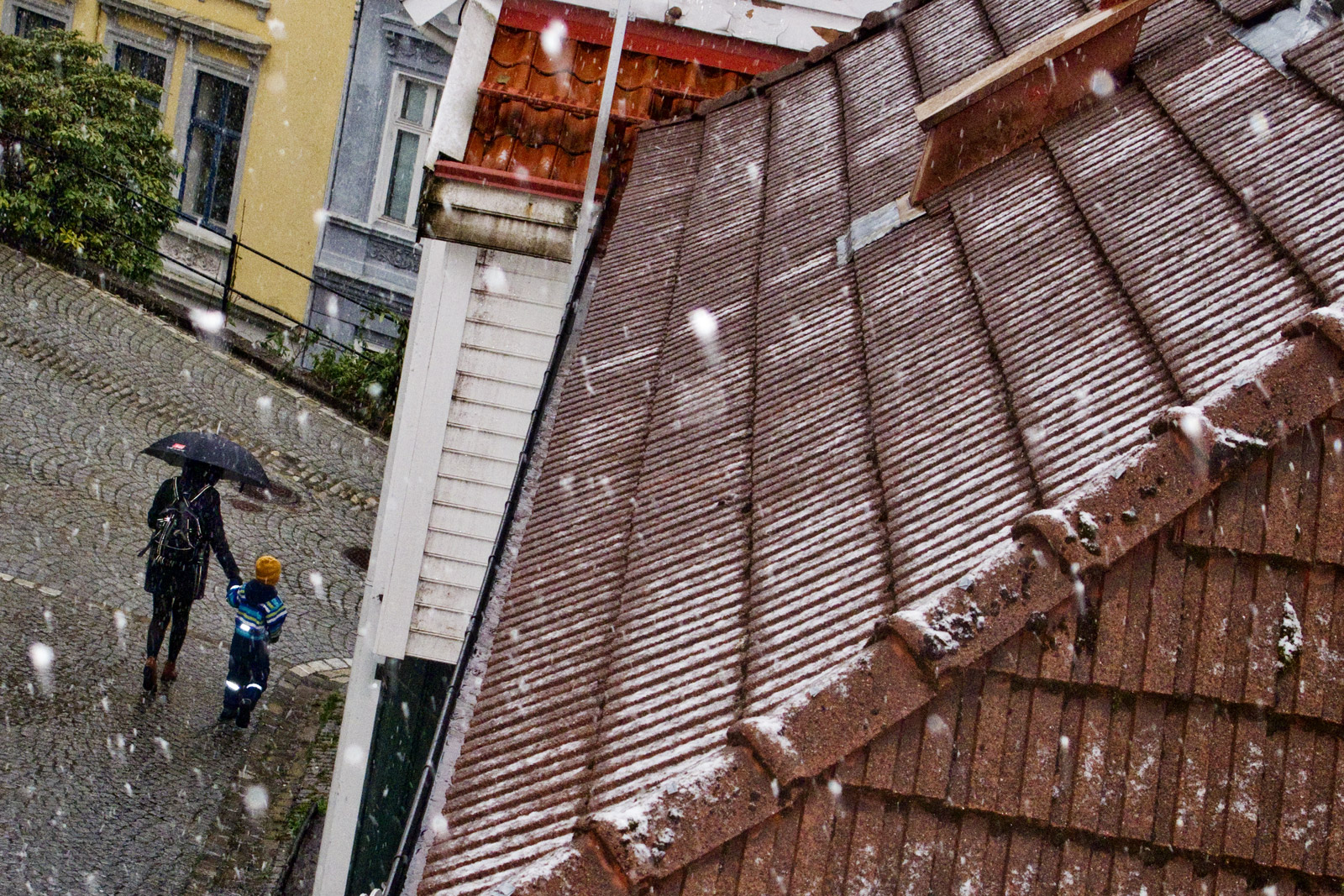
Not long ago it was “opplett” for almost 30 days straight. Which left us in a bit of a panic once the rain started again, as we feared that we had used up all the sunny days allotted to us this year. This is nonsense of course, except that so far it has proven true. Now it is the third of May and it is … snowing? The proverb “April showers bring May flowers” could possibly be corrected to “April showers bring May snow and dread and bollocks to all your optimism: spring is dead.”

Pretending It’s Summer

The last week of March I was in Copenhagen and Roskilde photographing for the upcoming summer edition of KLM’s inflight magazine.

Roskilde in March. Indistinguishable from summer.

Roskilde in March. Indistinguishable from summer.

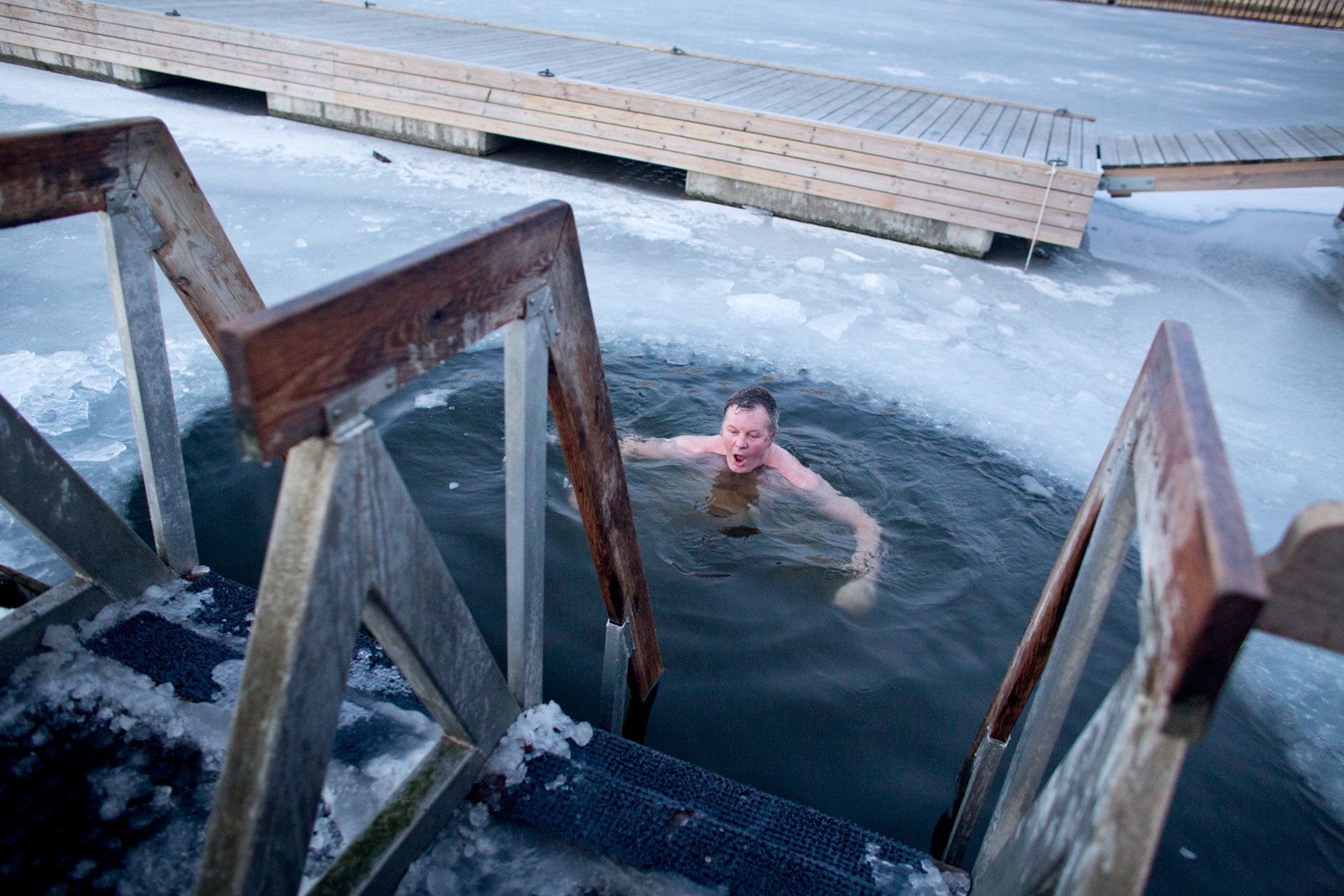
Shooting a summer story at this time of year is always difficult, but this time Denmark experienced its coldest month of March in 30 years. I think I spent three hours on Amager square just waiting for a couple of hipsters in seasonally neutral attire to pass. And there really aren’t that many hipsters too cool to be cold when it’s ten below. 

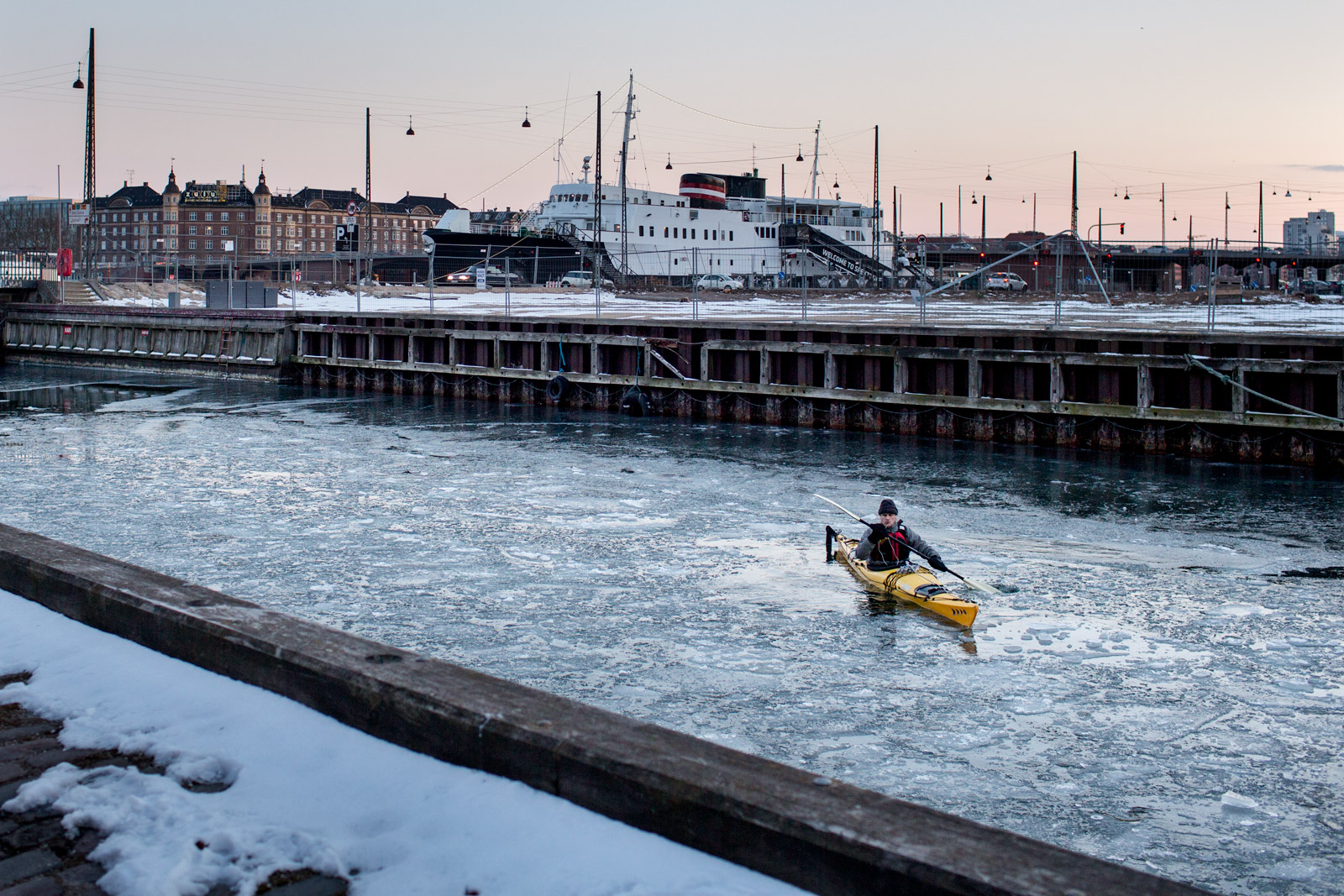
This is a Danish icebreaker.

This is a Danish icebreaker.

This is of course no joking matter (well, hipsters in ten below is, but the climate isn’t). This spring chill is not an isolated Nordic phenomenon, but something affecting much of Europe and the Southeast U.S. And that even in a year (yet another) with global March temperatures reaching record highs. These two facts are probably linked. As The Guardian writes, scientists link frozen spring to dramatic Arctic sea ice loss.

The basic science of it being this, according to the article: Because of global warming, sea ice is now 80 per cent less than it was thirty years ago. This ice loss adds heat to the ocean and atmosphere thus shifting the position of the high altitude jet streams that govern most weather in the northern hemisphere. This shift allows the cold air from the arctic to plunge much further south and screw up our spring.

Now, I have never really been prone to swinging moods because of bad weather as such – but I have spent much of my adult life in a state of a mild, constant climate depression.

And the combination really gets me.