The Last Passengers

A hundred years ago today Martha died. She was a passenger pigeon and the last of her kind, the final living specimen of a race of birds once so numerous that their flocks would black out the sky for hours on end.

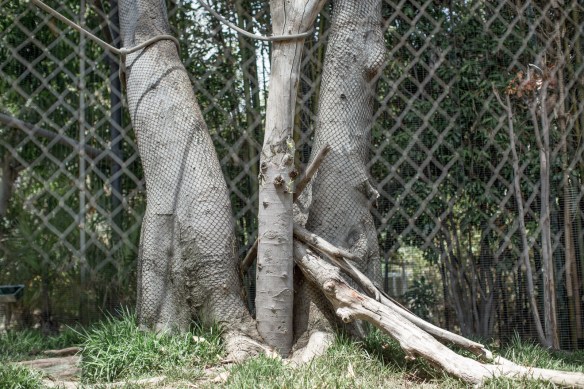
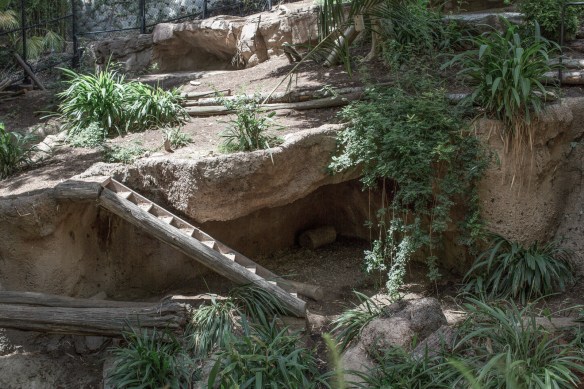
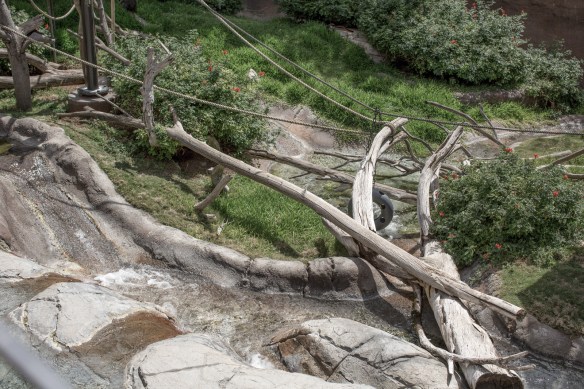
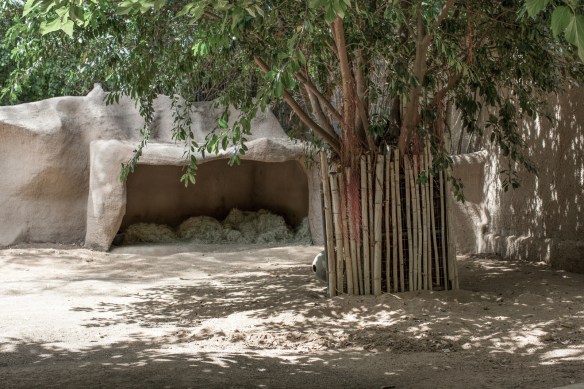
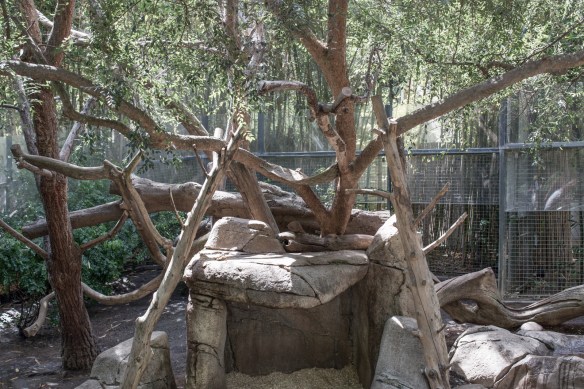
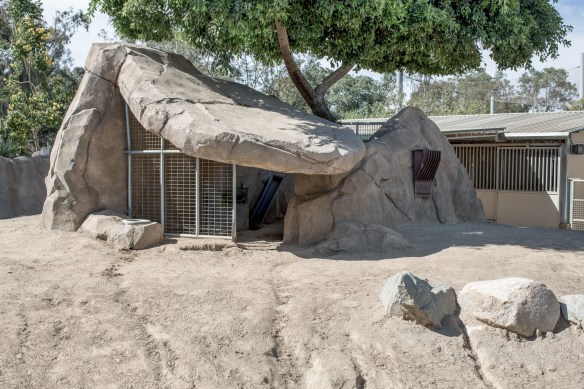
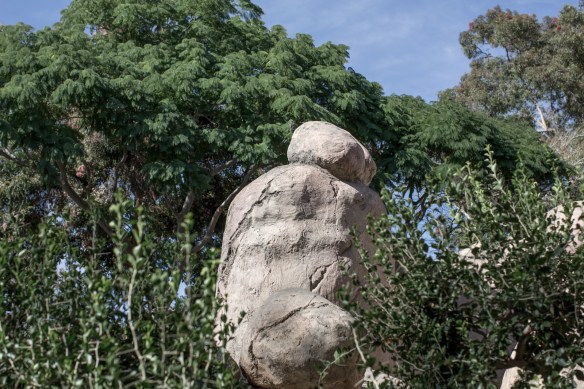
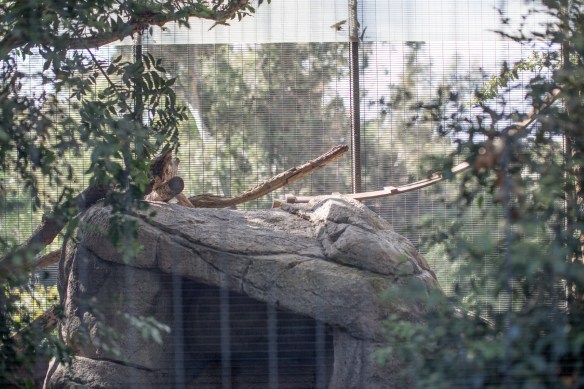
(And commemorating her, here are my photographs of zoo enclosures without animals.)

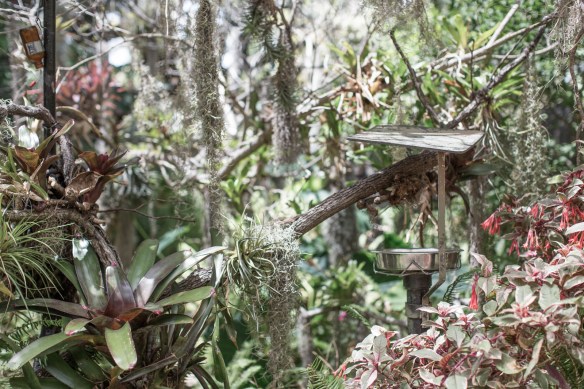
Zoo #1. No Hummingbirds

Zoo #1. No Hummingbirds

Extinction is natural. Species go extinct every day. But few species go extinct with such catastrophic vehemence as did the passenger pigeons.

When the Europeans arrived in the new world, there were billions of them – but not evenly distributed. No, they traversed the continent in a few enormous flocks. One flock observed in Canada in 1866 was said to count 3.5 billion birds. That one flock would have been 1.5 kilometres wide and over 500 kilometres long. And it would have darkened the sky for 14 hours or so. But even at that point the species had been in steady decline for over half a century. The decline was slow at first, but from 1870 to 1890 it was catastrophic.

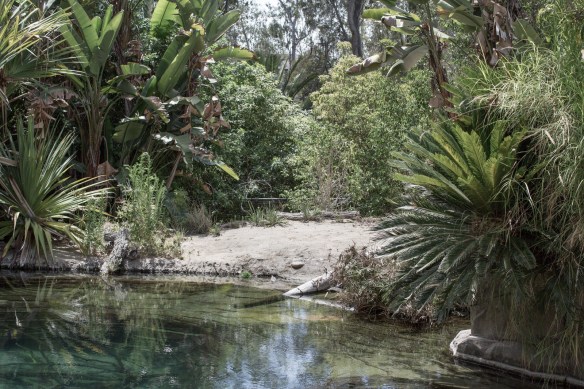
Zoo #2. No Painted Terrapins, Narrow-headed Softshell Turtles, Malaysian Giant Turtles or Johnston's Crocodiles

Zoo #2. No Painted Terrapins, Narrow-headed Softshell Turtles, Malaysian Giant Turtles or Johnston’s Crocodiles

Their numbers meant they were easily hunted. One double barrel blast of a shotgun could net even an amateur 60 birds. When pigeon meat was commercialised as cheap food for the poor, hunting became a massive and mechanised effort. Birds by the tens of millions were killed in the Midwest and shipped east on trains.

Zoo #3. No Black Mangabeys

Zoo #3. No Black Mangabeys

Combined with habitat loss as European settlers hellbent on manifest destiny deforested vast areas of land, the birds who only laid one egg at a time couldn’t make it. In March 1900, an Ohio-boy names Press Clay Southworth killed a bird with a BB gun. That bird was the last recorded wild passenger pigeon. A few still survived in captivity. But on September 1, 1914, the very last died at the Cincinnati Zoo.

Here’s to Martha.

These photographs are from San Diego Zoo, carefully framed not to show the animals.

Zoo #4. No Tigers

Zoo #4. No Tigers

Zoo #5. No Allen's Swamp Monkeys or African Spot-necked Otters

Zoo #5. No Allen’s Swamp Monkeys or African Spot-necked Otters

Zoo #6. No Visayan Warty Pigs

Zoo #6. No Visayan Warty Pigs

Zoo #7. No Giant Pandas

Zoo #7. No Giant Pandas

Zoo #8. No Pronghorns

Zoo #8. No Pronghorns

Zoo #9. No Klipspringers

Zoo #9. No Klipspringers

Zoo #10. No Red Kangaroos

Zoo #10. No Red Kangaroos

Zoo #11. No Clouded Leopards

Zoo #11. No Clouded Leopards

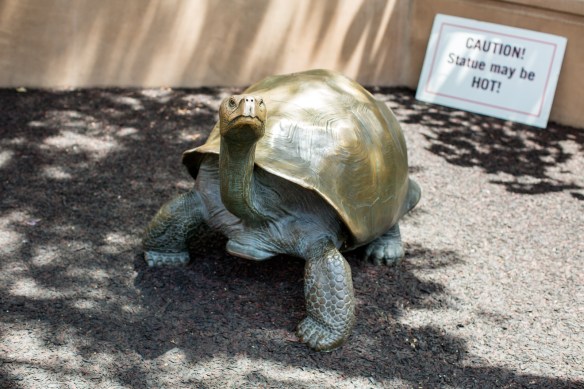
CAUTION! Statue may be HOT!

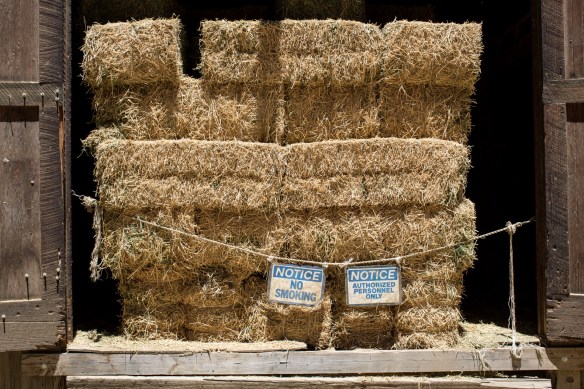
Caution! Danger! Stop! Keep off! Do! Don’t! Warning: this blog post may contain words and pictures.

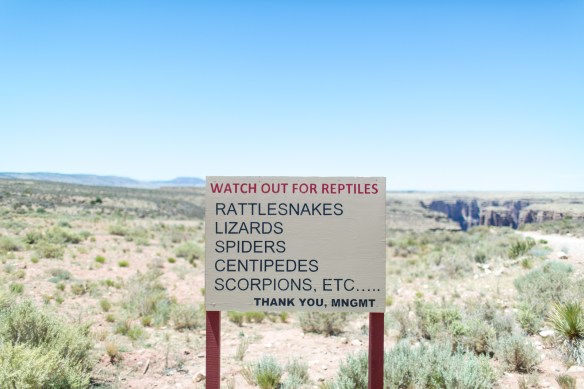
Signs #1

Signs #1

It’s the little things. Travelling the US, there are of course quite a few things that sets the country apart from the one you call home. Like the fondness for melted cheese, Jesus and fireworks, for example. Or that strange belief in guns.

But when asked what’s really different in the US, I think of the little things. Like why are all shower heads wall-mounted and not fitted with a hose? And how come it’s so hard to get a small coffee? (12oz is a third of a litre and in no reasonable understanding of the word a small portion.)

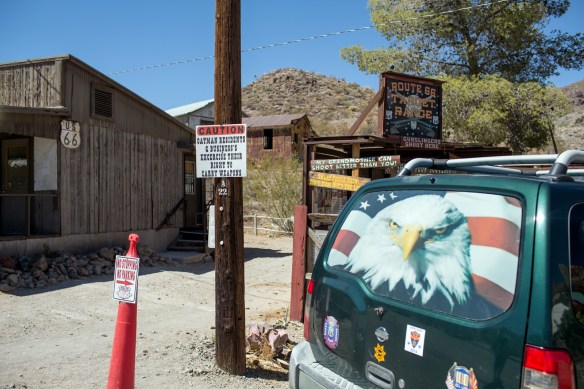
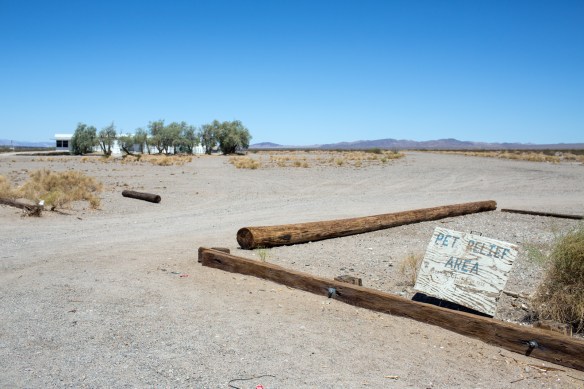
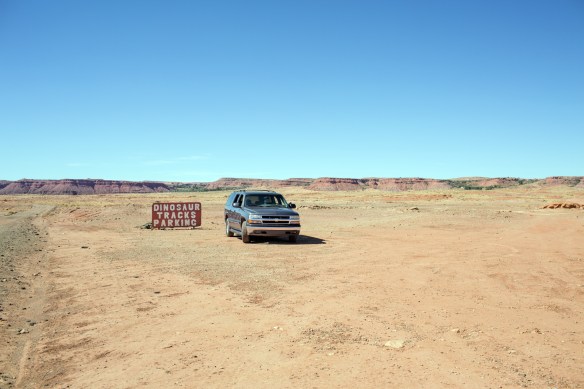
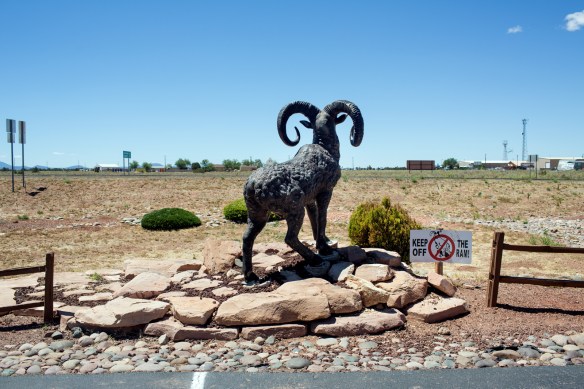
And then – of course – you have that tendency of micromanaging banalities – that overwhelming abundance of useless signs.

Signs #2

Signs #2

Don’t get me wrong. I do appreciate a good sign. When my girlfriend and my GPS are having one of their usual arguments, I very much appreciate an easy-to-read sign telling me the directions to where we’re supposed to be going. Or a proper warning sign, warning me of dangers I’d otherwise be ignorant of. Yup, they’re good. So sure, a useful sign is useful, no surprise there.

But oh so many aren’t.

Signs #3

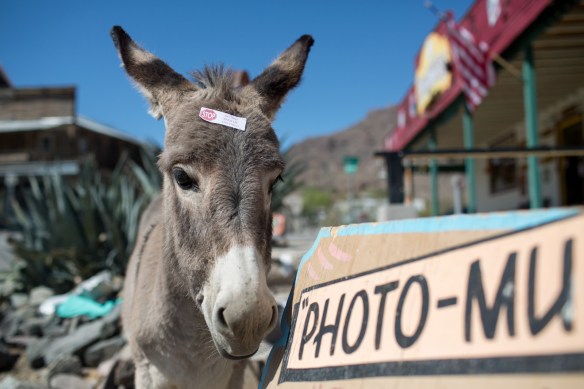
Signs #3. Forehead sticker: “Do not feed me anything”

Signs #4

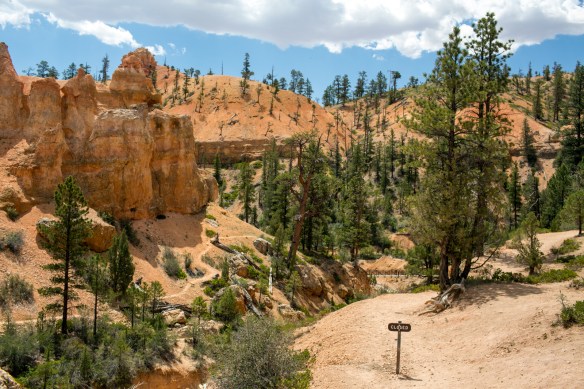
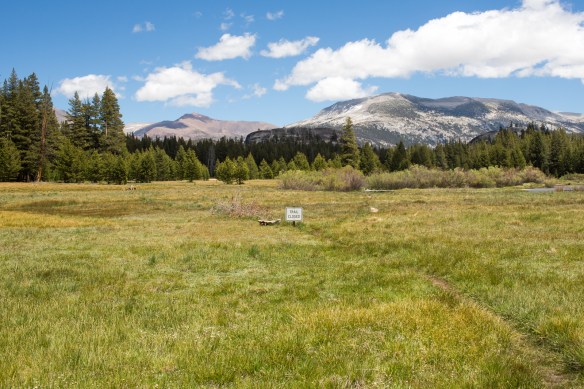
Signs #4. Nature – closed

Signs #5

Signs #5. Also eagles and attitude

Signs #6

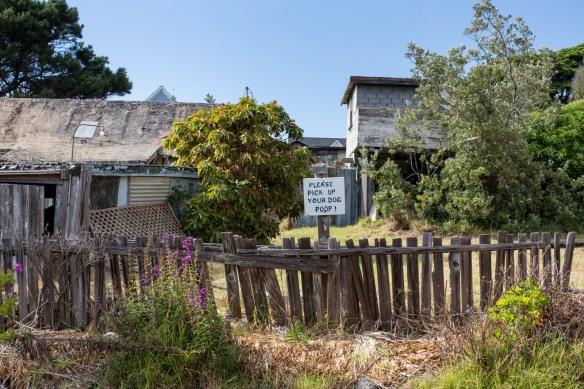
Signs #6. Pets – don’t let them poo in the desert

Signs #7

Signs #7. Vast lands, suggested parking

Signs #8

Signs #8. Ram. Better dodge it

Signs #9

Signs #9. Nature – still closed

Signs #10

Signs #10. Don’t spoil the neighborhood

Signs #11

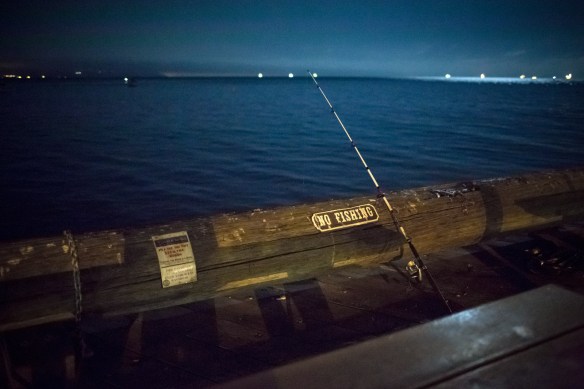
Signs #11. No officer, I’m just walking my rod

Signs #12

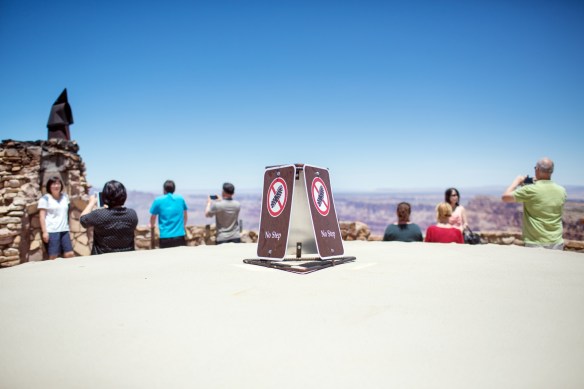
Signs #12. Some light tap-dancing might be okay, though

Signs #13

Signs #13. Better petkeeping through arbitrary rules

Signs #14

Signs #14. Et cetera

Signs #15

Signs #15. You’re welcome


Desert

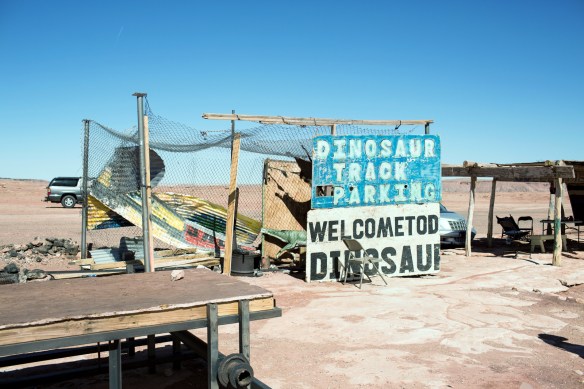
noun \ˈde-zərt\ a barren area of land with little precipitation, hostile living conditions and lots of casinos.

Desert #1

Desert #1

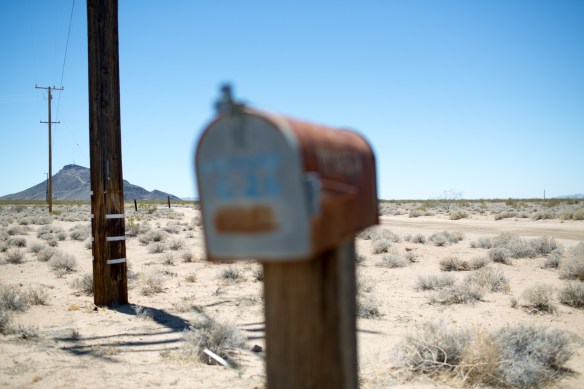
This was the second year in the row we spent one month in the US. Last year was sort of a trial run. We did the East coast. And the Midwest. The South. And, yes, a bit of Canada. One lesson learned: driving 5,000 miles on the Interstates in a big SUV is boring. Also: plans are bad. I started this piece of writing while we were waiting for our laundry in a laundromat in Fort Bragg, North California. Where we were going that evening, we didn’t know, except that we should probably end up somewhere in the Bay area. That was our modus operandi for over four weeks. We arrived in LA knowing we would pick up a rental car for a month, that we should avoid the Interstates at all cost and – that’s basically it. Chance, coincidences, would bring us on from that. And having spent no time in LA at all, we went straight for the desert.

Desert #2. Mexican restaurant, Twentynine Palms

Desert #2. Mexican restaurant, Twentynine Palms

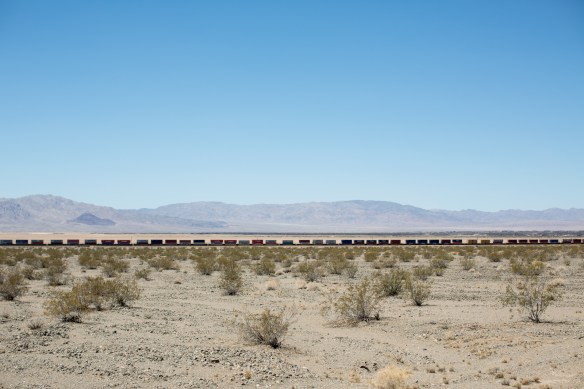
Desert #3. Freight train

Desert #3. Freight train

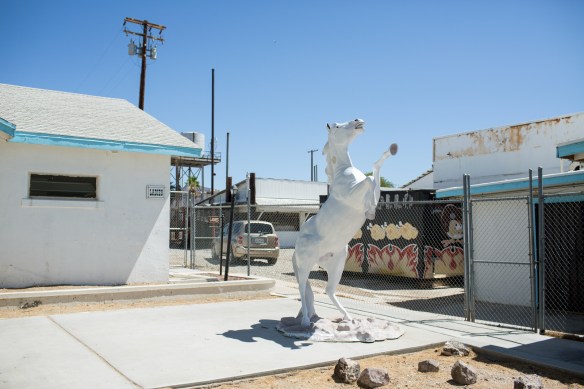
Desert #4. Restroom Stallion, Amboy

Desert #4. Restroom Stallion, Amboy

“I can’t for the life of me understand what appeal the desert holds with you guys,” said a casino employee in Nevada. I don’t know exactly what group of people he was referring to with “you guys,” except that I somehow belonged to it. Then again, I can’t for the life of me understand what appeal a casino holds with anyone either, so I guess we were on much the same level in our not understanding each other. Well, each to his own. Some prefer
air-conditioned slot machines. I prefer a lonely heatstroke.* A breakfast cook in California thought she had an explanation for this: “It’s the topography,” she said. Whether she meant the actual topography of the desert, or the mental topography of the Nordic traveller, I am not entirely sure, but I suspect it was a bit of both. She was the sort of breakfast cook that had a special understanding of those things.

Desert #5

Desert #5

Desert #6. Et cetera

Desert #6. Et cetera

Desert #7. Scrap yard guards

Desert #7. Scrap yard guards

Desert #8

Desert #8

Desert #9, #10

Desert #9, #10

Desert #11

Desert #11

Desert #12

Desert #12

Desert #13. Return on $20

Desert #13. Return on $20

Desert #14

Desert #14

Desert #15. Travel office

Desert #15. Travel office

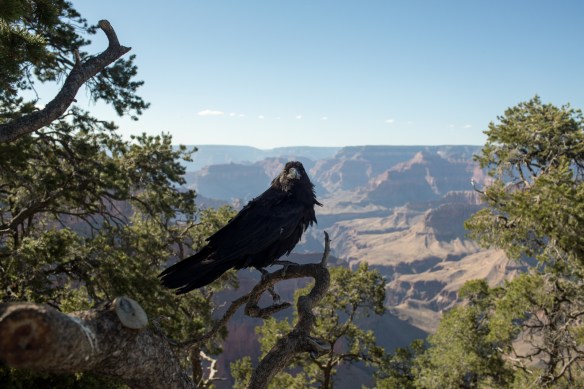
Desert #16. Food! Quoth the raven

Desert #16. Food! Quoth the raven

Desert #17

Desert #17

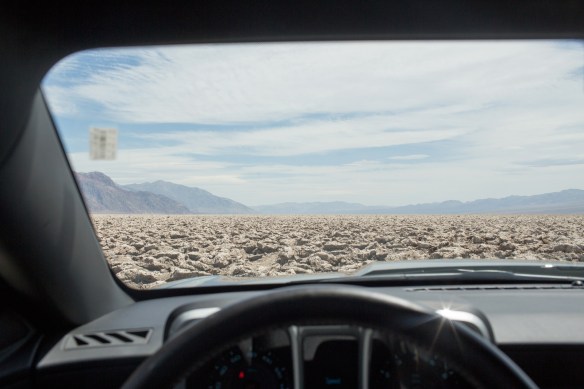
Desert #18. Devil's Golf Course / End of the road

Desert #18. Devil’s Golf Course / End of the road

* Not really.

Room 509

One bed, two towels, an empty fridge posing as a minibar and a view straight into the neighbouring office building where bored temps have seen it all before.

509 #1

509 #1

It’s the telephone area code for the eastern two- thirds of Washington, the year AD when King Sigobert The Lame was killed by his son Chlodoric, the Guinness World Record number of candles blown out simultaneously and the smallest Sophie Germain prime to start a 4-term Cunningham chain of the first kind (whatever that means). And it’s yet another hotel room. I’m sure that I’ve stayed at rooms numbered 509 that’s been a-okay. This was merely so-so.

509 #2

509 #2

509 #3

509 #3

509 #4

509 #4

509 #5

509 #5

509 #6

509 #6

509 #7

509 #7

509 #8

509 #8

The Pope Is Dead (2005)

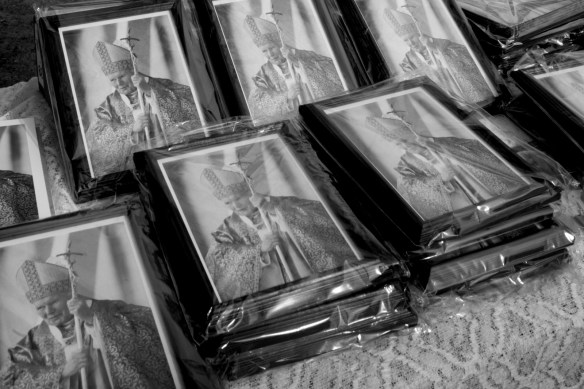
This April late Pope John Paul II was declared to be a saint. When he died on April 2, 2005, I was in his home country Poland trying to tell a completely different story.

Warzaw 2005 #1

Warzaw 2005 #1

In the forest separating Poland and Belarus there were no more than 50 lynx in 2005. “We have a duty to save them for future generations,” said Dr. Krzysztof Schmidt, wielding a tracing device and trying to locate the nearest of them. Here in the Białowieża Forest, one of the last and largest remaining parts of the immense primeval forest that once stretched across the European Plain, it was mostly quiet. Birds and toads were chirping and calling. Our 4×4, stuck in forest mud, was revving its engine. The biologist and driver in our company was cursing mildly (or strongly – I don’t speak Polish). I’d never tried to trace lynx in a primeval forest bordering the last dictatorship in Europe before, but compared to what was happening elsewhere in Poland, this felt like normalcy.

Warzaw 2005 #2

Warzaw 2005 #2

Warzaw 2005 #3

Warzaw 2005 #3

I was in Poland to tell the story of how unchecked EU money left much to be desired when it came to environmental issues in the eager, eastern economies. However, my visit coincided with what was to become one of the largest media stories in the country since the revolution in 1989. Namely the death of the pope.

Warzaw 2005 #4

Warzaw 2005 #4

Warzaw 2005 #5

Warzaw 2005 #5

Warzaw 2005 #6

Warzaw 2005 #6

John Paul II, pope since 1978, was born Karol Józef Wojtyła in the Polish town of Wadowice and later served as Archbishop of Kraków before becoming the first non-Italian pope for close to 500 years. His first trip home to Poland after becoming pope led to the formation of the Solidarity movement and would begin the process of Communism’s demise in Eastern Europe, according to historians.

Warzaw 2005 #9

Warzaw 2005 #7

Warzaw 2005 #8

Warzaw 2005 #8

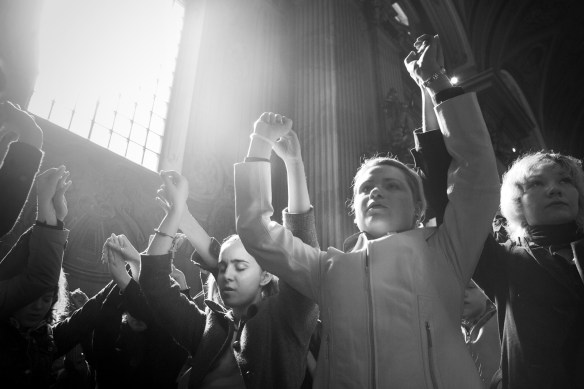
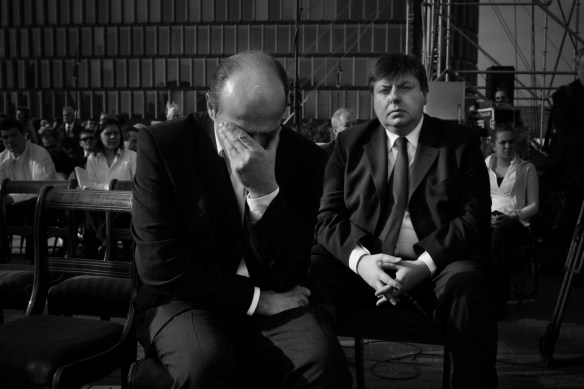
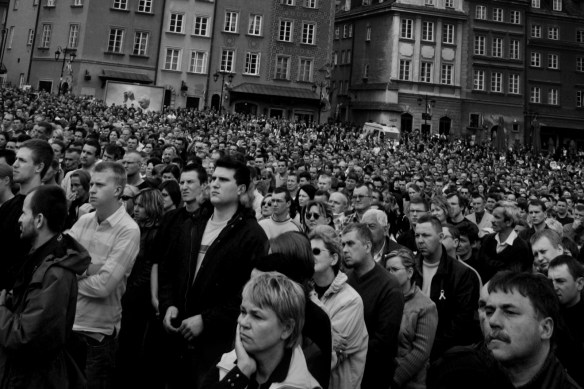
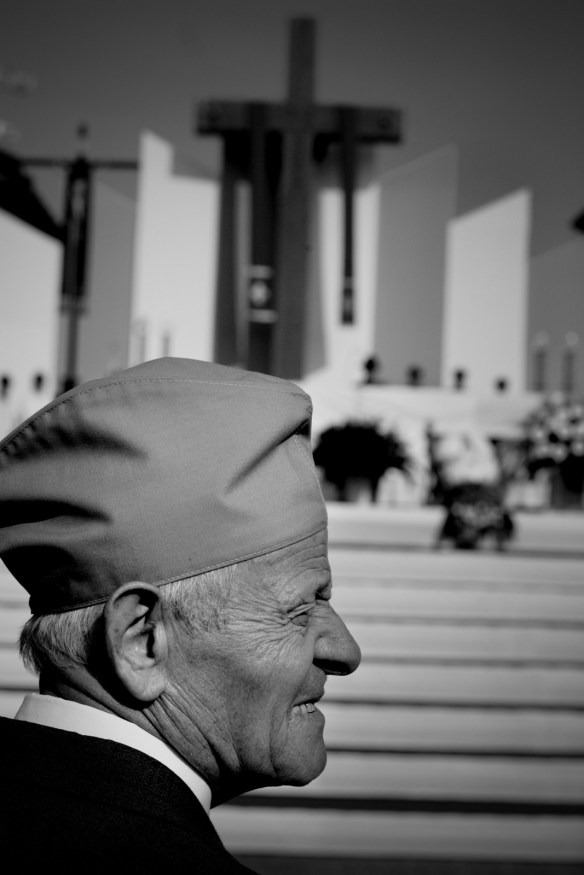
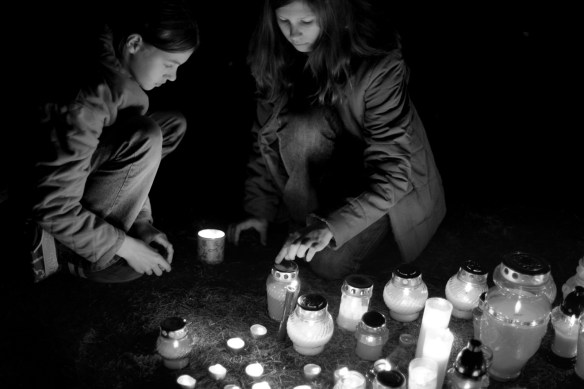
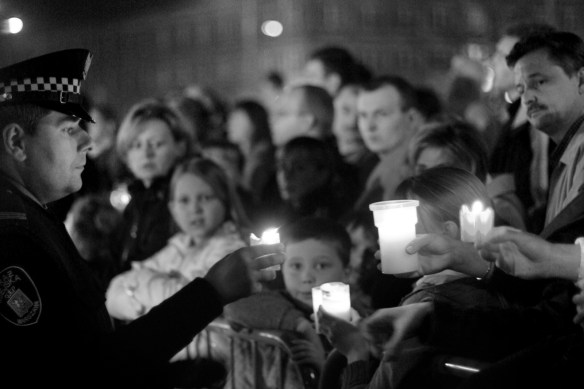
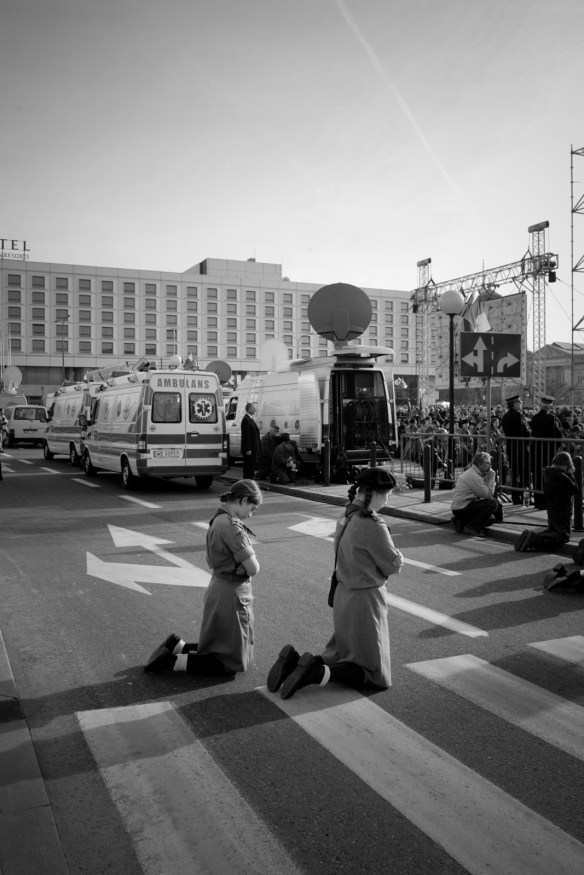
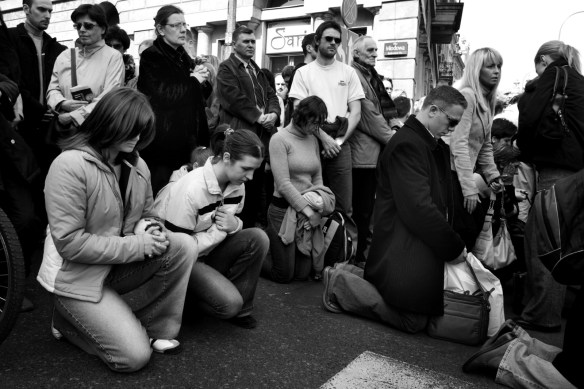
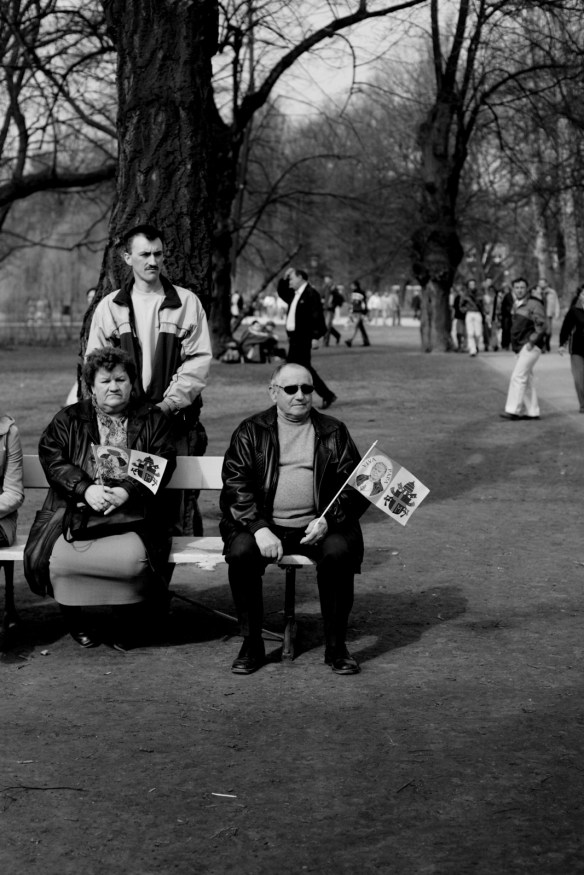
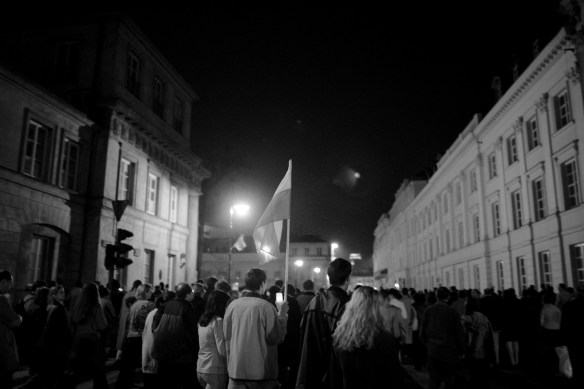
The pope’s death on April 2, 2005, was mourned all over the world of course. Still, the massive outpouring of grief in his home country was something special. It was the father of the modern Polish nation – and its greatest son – that had died. A man without whom, many believed, Poland to that day would still be under the control of a thriving Soviet Union. So the pope’s death paralyzed the country. Come Friday April 8, when the pope’s funeral took place in the Vatican City, hundreds of thousands gathered in the Polish capital of Warsaw to follow the proceedings through live video feed on giant screens throughout the city.

Warzaw 2005 #10

Warzaw 2005 #9

Warzaw 2005 #7

Warzaw 2005 #10

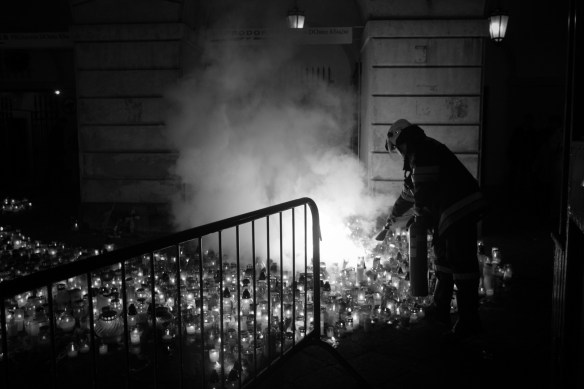
When the air raid sirens rang for three minutes to announce the start of the funeral, people fell to their knees in spontaneous prayer in the middle of intersections. Oceans of candles were lit, sparking candle fires that had to be put out by the fire brigade. I photographed for hours. At some point I sat down on a flight of stairs to rest my back and have a smoke. Suddenly I felt tears rolling down my face. Damn it, I thought, I’m an atheist from a protestant country. The pope held zero relevance for me while he was alive – now he was dead and I was stricken by a grief that wasn’t mine. That actually made me quite angry. I hate being emotionally manipulated, but I really couldn’t help it.

Warzaw 2005 #11

Warzaw 2005 #11

Warzaw 2005 #12

Warzaw 2005 #12

Massive public grief on a level such as this has of course an almost hypnotizing power. I’d never experienced anything like it. And I honestly didn’t believe I would experience anything like it again. At least not in my home country of Norway, where no public figure is held in such high regard that their death may elicit these kind of reactions. And what single event could possibly cause an entire nation to come together in sorrow? Then of course, six years later, the Utøya killings happened.

Warzaw 2005 #13

Warzaw 2005 #13

Warzaw 2005 #14

Warzaw 2005 #14

Everything Must Go

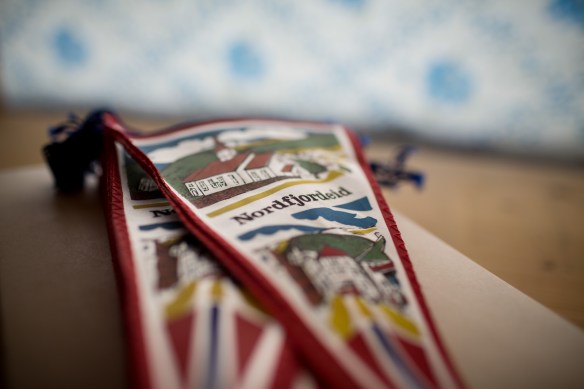
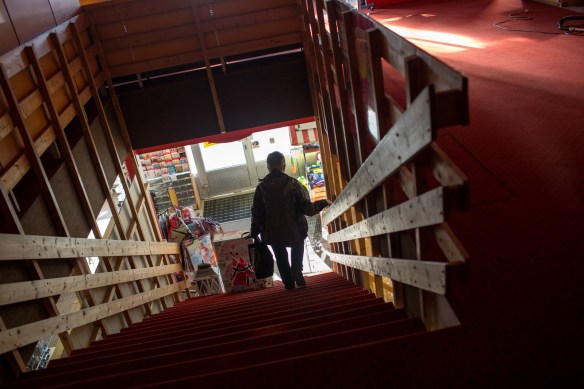
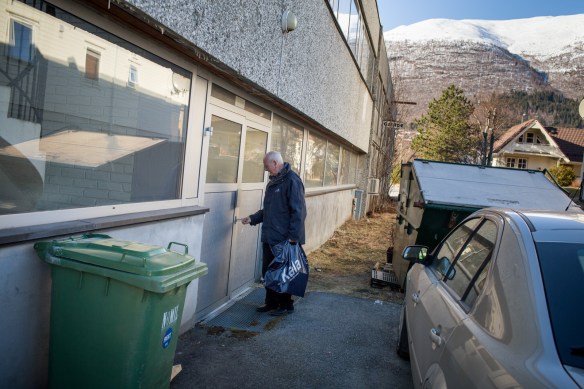
My parents-in-law ran a smalltown department store for close to 40 years before having to close down last year. These photos document the Kragseth family’s final days as merchants in Nordfjordeid, Norway.

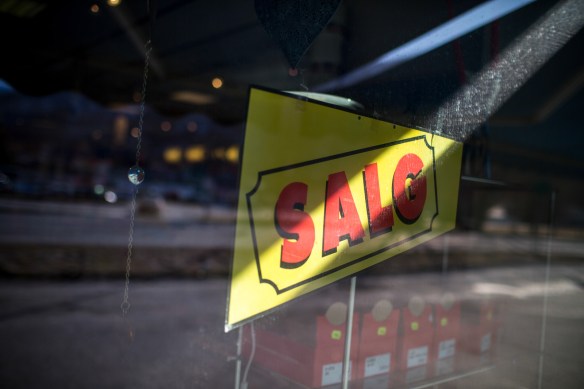
Kala #1. This sale is final

Kala #1. This sale is final

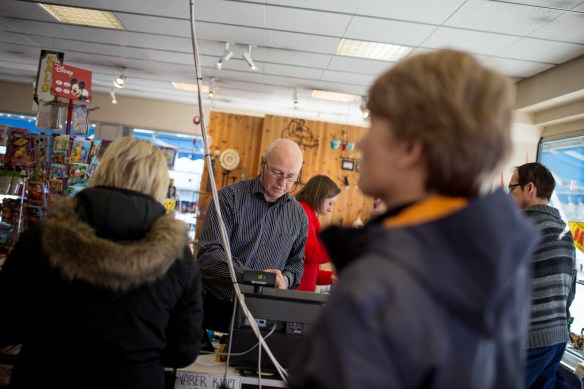
The combined toys and glass- and kitchenware store known as “Kala” would have celebrated its 40th anniversary on the fifth of November last year. Only they had to close down just half a year shy of that landmark occasion. A combination of age, health and economic issues meant that the days leading up to Easter last year were chosen to be the final ones for the store that had been built by my girlfriend’s parents – Mrs. Aud and Mr. Agnar Kragseth – four decades earlier.

Kala #2. The department store. Brand new

Kala #2. The department store. Brand new

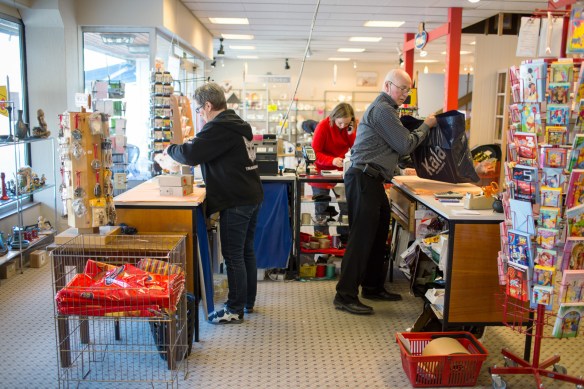
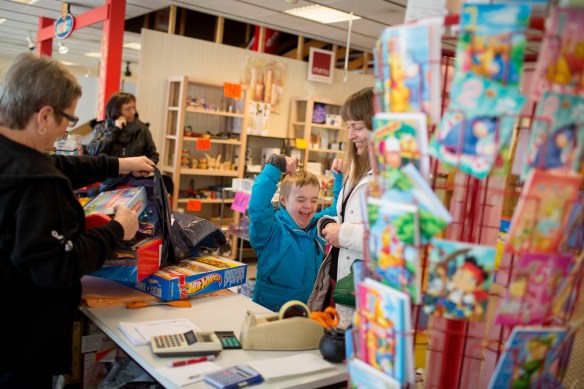
Kala #3. Mrs. Aud (left) and Mr. Agnar Kragseth had some of their busiest days ever during the days of the final sale. My girlfriend Linda (centre) moved home for a few weeks to help them out

Kala #3. Mrs. Aud (left) and Mr. Agnar Kragseth had some of their busiest days ever during the days of the final sale. My girlfriend Linda (centre) moved home for a few weeks to help them out

Kala #4. Aud and Agnar met at a gathering for western expats in the Norwegian capital of Oslo in the late 1960s

Kala #4. Aud and Agnar met at a gathering for western expats in the Norwegian capital of Oslo in the early 1970s

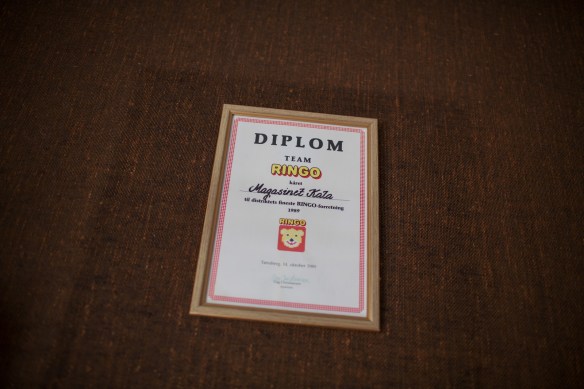
Kala #5. Best store in the district, 1989

Kala #5. Best store in the district, 1989

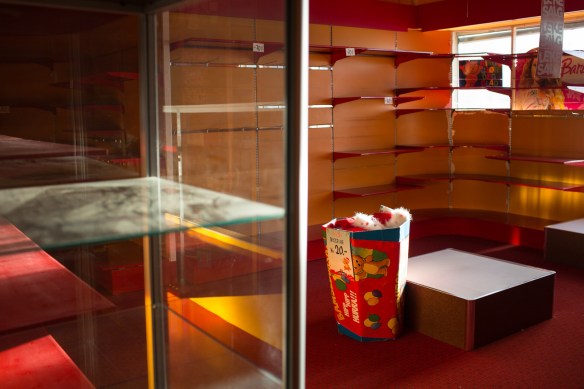
Kala #6. The toy store cleaned out. Only a basket of christmas hats remain

Kala #6. The toy store cleaned out. Only a basket of christmas hats remain

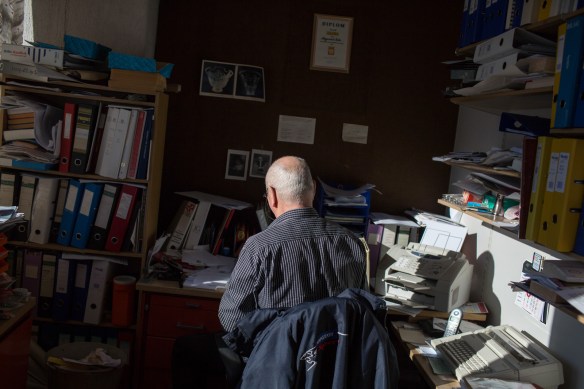
Kala #7. Agnar in the office

Kala #7. Agnar in the office

Kala #8. Cheap toys, pure happiness

Kala #8. Cheap toys, pure happiness

Kala #9. Nordfjordeid is a small town (population 2,772) in western Norway

Kala #9. Nordfjordeid is a small town (population 2,772) in western Norway

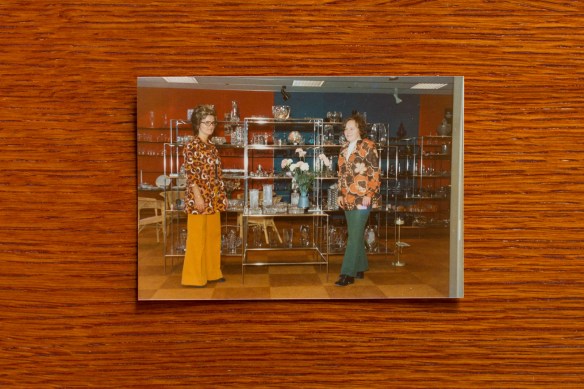
Kala #10. The shop – and it's merchants – in their youth. Aud at left

Kala #10. The shop – and its merchants – in their youth. Aud at left, her sister-in-law, Liv, at right

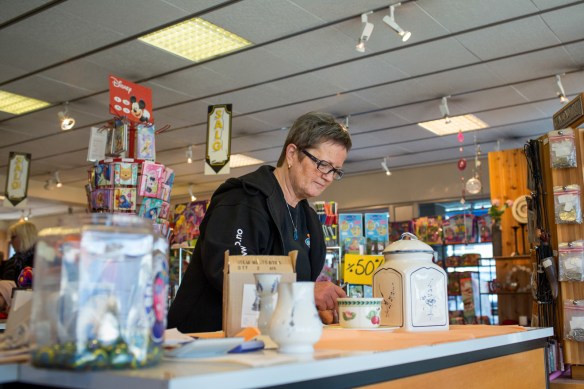
Kala #11. Some 30 years on, the brilliant 70s blouse is replaced by a Transformers hoodie

Kala #11. Some 30 years on, Aud’s brilliant 70s blouse is replaced by a Transformers hoodie

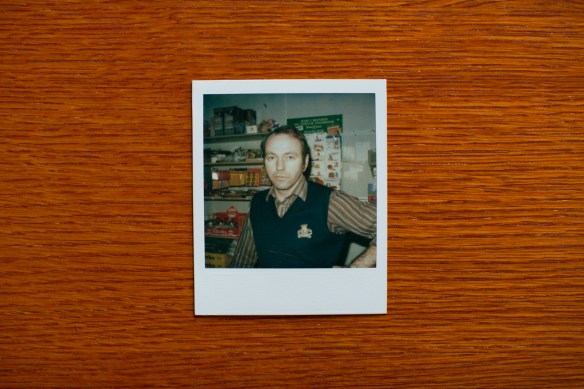
Kala #12. Young Agnar in the store

Kala #12. Young Agnar in the store

Kala #13. Agnar in the store

Kala #13. Agnar in the store

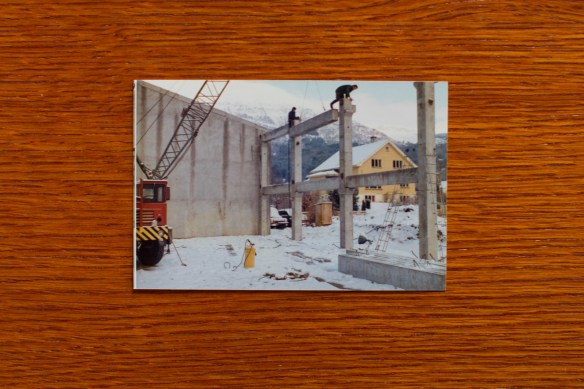
Kala #14. The building period. Health and safety. Total lack thereof

Kala #14. The building period. Health and safety. Total lack thereof

Kala #15. The store, yesteryear

Kala #15. The store, yesteryear

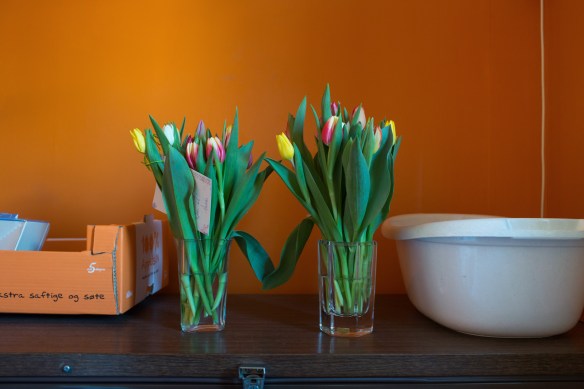
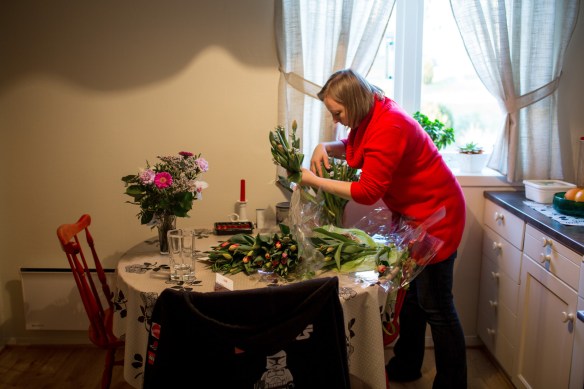
Kala #16. Linda sorting through the farewell flower gifts

Kala #16. Linda sorting through the farewell flower gifts

Kala #17. Empty glassware boxes

Kala #17. Empty glassware boxes

Kala #18. Agnar closing the doors

Kala #18. Agnar closing the doors

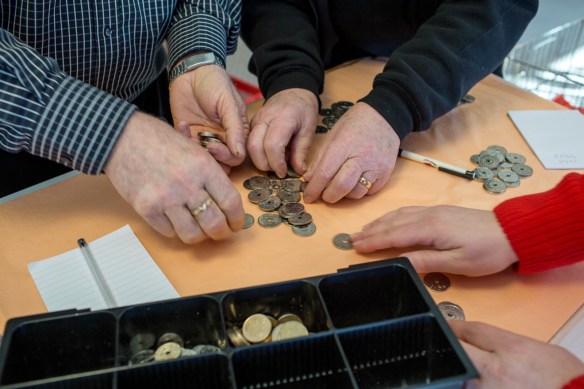
Kala #19. Counting crowns

Kala #19. Counting crowns

Kala #20. Stairway to retirement

Kala #20. Stairway to retirement

Kala #21. One last set of locks

Kala #21. One last set of locks

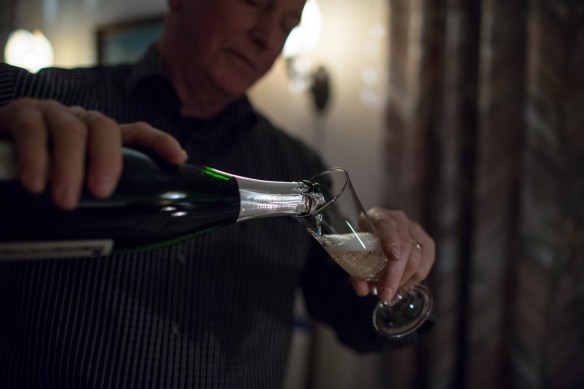
Kala #22. The toast

Kala #22. The toast

Epilogue – The Bears Say Goodbye

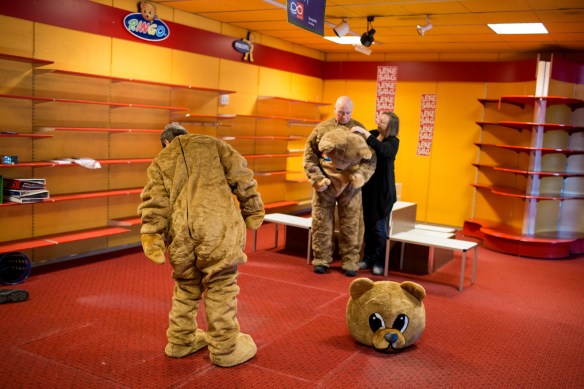
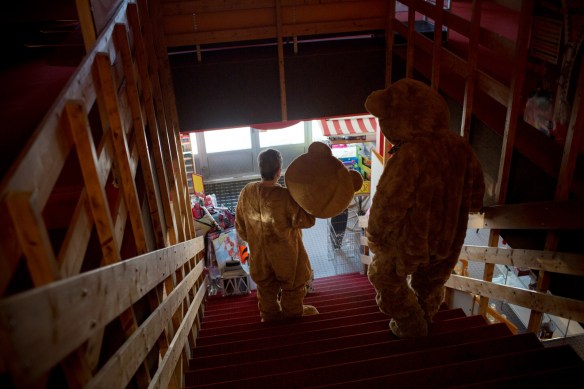
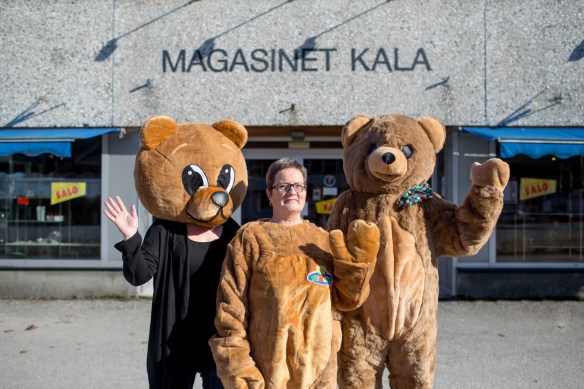
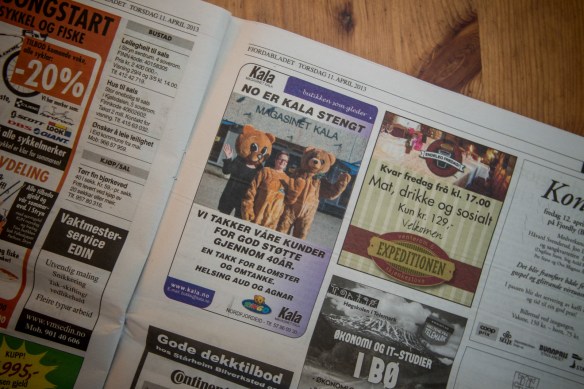
The toy store teddybear mascots make one final appearance for a farewell ad in the local paper.

Kala #23

Kala #23

Kala #24

Kala #24

Kala #25

Kala #25

Kala #26. Ad reads "Kala is now closed"

Kala #26. Ad reads “Kala is now closed”


At Fjord’s End

Beyond the picture perfect beauty of Hardanger, the backside of the postcard is even more alluring.
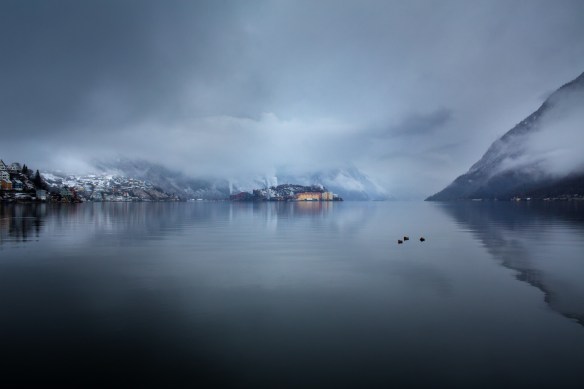
Odda #1. The zink smelting plant
Odda #1. The zink smelting plant

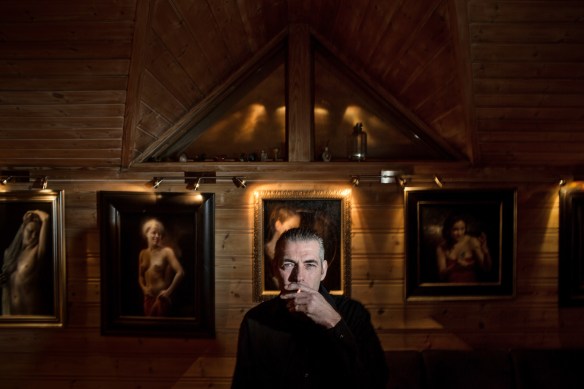
The hotel director. Ole Melkeraaen

The hotel manager. Ole Melkeraaen

The sound of Hardanger is very much the a cappella vocal approval of the visiting tourists, going “ooh” and “aah” and “sehr schön” and “ain’t that just lovely.” With hillsides clad in apple blossoms and snow-capped mountains diving into the blue-green waters of the fjord, Hardanger is the epitome of Norwegian romantic nationalism. I once took an English writer for a week long trip around these fjords in my old Ford Fiesta. That trip ended up as a nine page story in KLM’s inflight magazine – under the headline “Fjord Fiesta.” I’ve worked with other seasoned travel writers producing travel stories from this region as well, and more than once have heard them say: “I thought I was blasé, but this..!”

But this. This – as in the picture perfect postcard Hardanger – only exist between May and September. There are other sides to Hardanger as well. There is an end of the fjord. And Sørfjorden – the Southern Fjord – infamously known as the fjord that God forgot – ends in Odda.
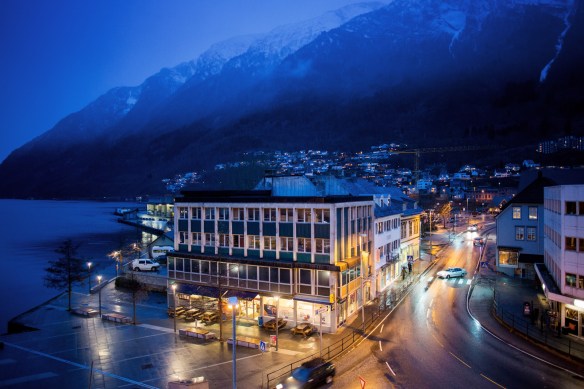
Odda #2. By night
Odda #2. By night

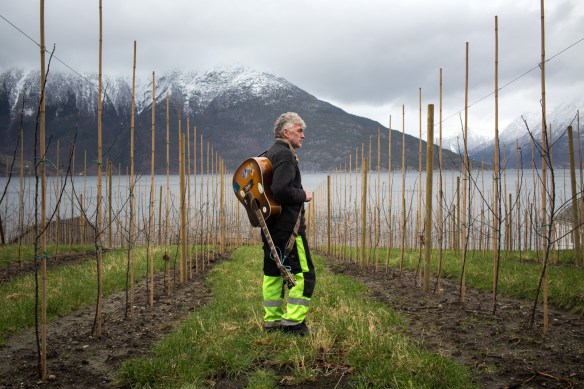
The Johnny Cash of Utne. Øyvind Terjesen

The Johnny Cash of Utne. Øyvind Terjesen

Here, in this small industrial town built around a smelting plant now closed, two friends since childhood have spent most of the day in the kitchen. One of them – the hotel manager – is just off night watch and has chosen cooking over sleep. The other put on the roast even before going to bed from the party the night before (drunk slow roast – now that’s lovely). The table is set with white linens and the best dining wares. Several bottles of Amarone are breathing nicely, the fish soup starter has been simmering for hours and all is ready for one hell of a nice dinner. Oh, and I’m invited. Only that I don’t know. Not that it’s supposed to be a secret in any way, but my friend and colleague – the director of the fjordside mischief TV-series “Fjorden Cowboys” – just sort of forgot to mention it.

So there you have it. A short hour prior to the best meal I’ll have in quite a while, I’m sitting at a roadside tavern – under a confederate flag, no less – eating a roadside hamburger and spoiling my appetite. This shouldn’t come as a surprise to me. After all, the reason why I’m in Odda this March weekend, is to embrace the sudden and make a series of portraits based on chance meetings. I started the day talking to a guy feeding birds along the wharf. His name was Sigfred.
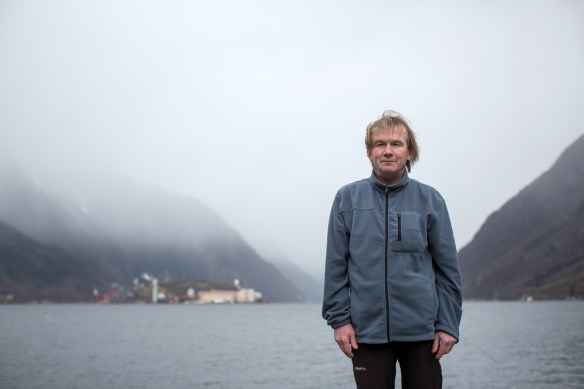
Feeding birds. Sigfred

Feeding birds. Sigfred

– So, Sigfred, how do you spend your days?
– From three minutes past two till five o’clock I listen to the radio. Other than that I feed the ducks.

Simple as that. Yet not simple at all. Sigfred told me he used to work at the zink plant, that’s the other giant smelting plant in the small town of Odda. And this goes for most of the people I meet this weekend. Most all of them are in some way connected to either the industry, the agriculture or both. Odda – the smelting plant town – and the fjords are in themselves a melting pot of both old farm culture and industrial identity, my friend Hildegunn Wærness tells me. And this blend of cultures has created some very tough and strong willed men and women – some of whom Hildegunn decided would make for great TV.

The result – the hit TV show “Fjorden Cowboys” – explores and celebrates Norwegian macho culture through the exploits of two entrepreneuring buddies who wear hats, love dynamite, talk trash and drink hard cider straight from the jerry can.

The cowboys. Leif Einar Lothe and Joar Førde enjoying cigarettes and dynamite

The cowboys. Leif Einar Lothe and Joar Førde enjoying cigarettes and dynamite

Last summer, I took a commision from the TV channel who was to air this show, to produce a set of promotional photos. This turned out to be one of the most fun jobs I did through all of 2013, but I was also left with a feeling that there were way more interesting people this end of the fjord than just the two main characters and their entourage.
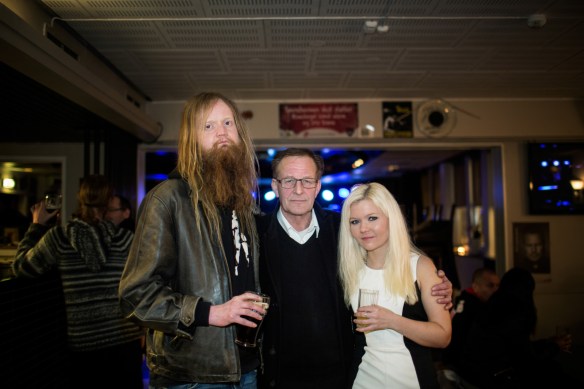
Nightlife. Øyvind Paulsen (at left), Svein Takla and Marianne Solheim
Nightlife. Øyvind Paulsen (at left), Svein Takla and Marianne Solheim

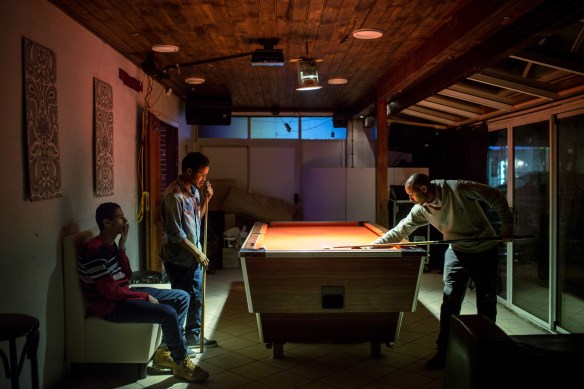
Pool hall boys. Mohammed Abdinasir Salen (at left), Shakir Adan Mohammed and Mowlid Mohammed
Pool hall boys. Mohammed Abdinasir Salen (at left), Shakir Adan Mohammed and Mowlid Mohammed

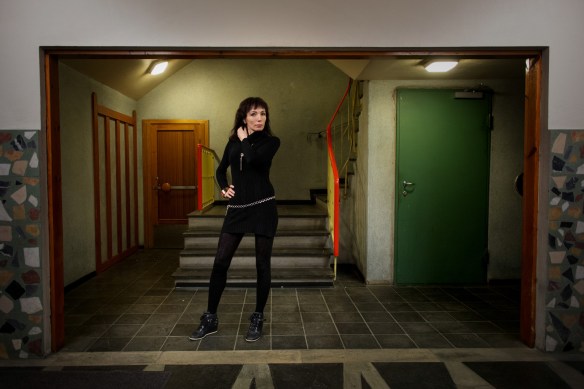
The Rocker. Anne Spilde

The Rocker. Anne Spilde

For over half a year I had this urge to go back and make a portrait series from Odda and Sørfjorden, to explore the landscape beyond the picture perfect postcard. To meet with people that might have chosen to live a life slightly deviating from the norm of conformity – and make no mistake – I do mean that as a compliment.

The ferry

The ferry

The blues musician. Bill Booth
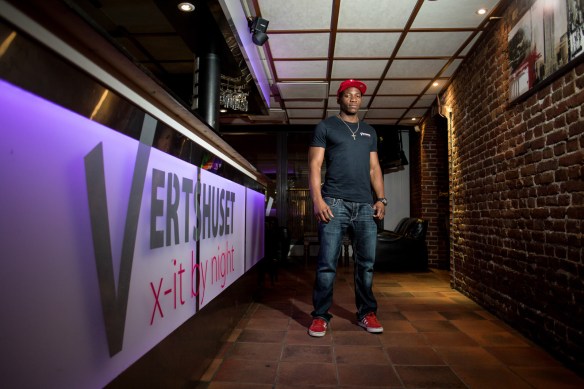
The blues musician. Bill Booth

The bartender. André Kabaya

The bartender. André Kabaya

So there we were – the director and me – on an adventure in the dark winter fjords – hoping to meet interesting people, to photograph them and maybe enjoy a drink in their company. And that we surely did. To such an extent that one of us incidentally failed to mention to the other that we had a dinner invitation.

For that I was mad for about five minutes. Then I remembered a quote from one of my favourite authors, Kurt Vonnegut: “Curious travel suggestions are dancing lessons from God.” Not that I’m religious, even less than the man with the guitar who earlier that day had sung to us: “I’m not religious – but I believe when I have to” – but as a reminder to embrace the sudden and unexpected, these words of Vonnegut are themselves good travel companions.

So off to dinner we went, me not quite as hungry as I would’ve liked to be, still expecting it to be brilliant. It was.

Strangely, drunkenly, Twin Peaks-ishly brilliant. Just as the end of the fjord itself.
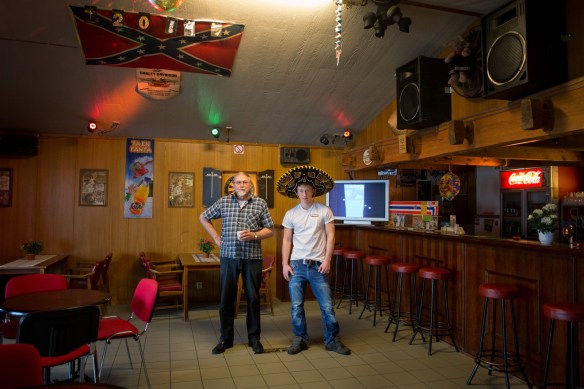
Tavern staff. Hans Martin Bleie and Halldor Kråkevik

Tavern staff. Hans Martin Bleie and Halldor Kråkevik
Children’s TV Gone Wrong

– What’s your dark secret, mrs. Celery?
– Oh, I’m actually a porn actress.

Promotional photo for the pilot episode of TV comedy show The Vegetable Garden (norsk: GrønnsakHagen). Photo: Eivind Senneset, TV2

Promotional photo for the pilot episode of TV comedy show The Vegetable Garden (norsk: GrønnsakHagen). Photo: Eivind Senneset, TV2

Lies! Deceit! Sex! Drugs! Violence! These are the behind-the-scenes horrors of the children’s TV show The Vegetable Garden, soon to make its international breakthrough.

It’s all fictional, of course. This is a promo pic for the pilot episode of a TV comedy chronicling the dark and twisted lives of the actors in an immensely popular kids’ show. Think something along the lines of Teletubbies meets The Office meets Meet The Feebles.
After The Boom, Slight Anxiety

When big oil spends less, an area built on oil services feels unease.

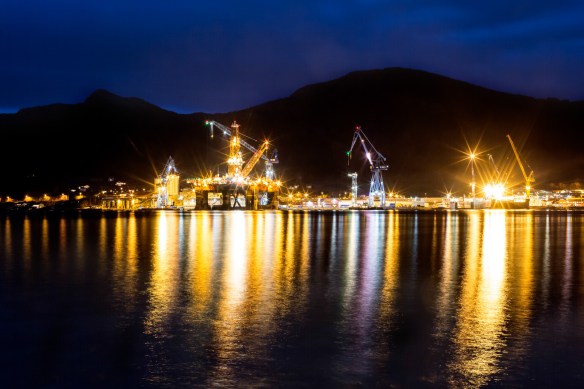
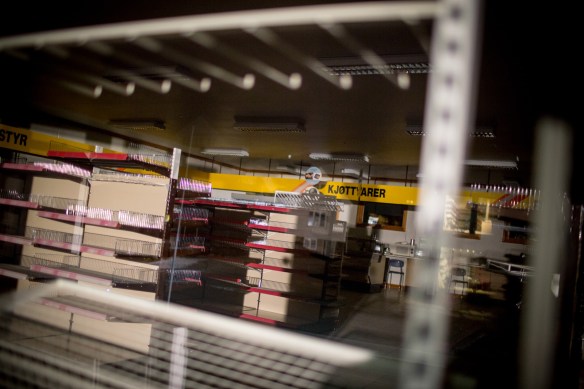
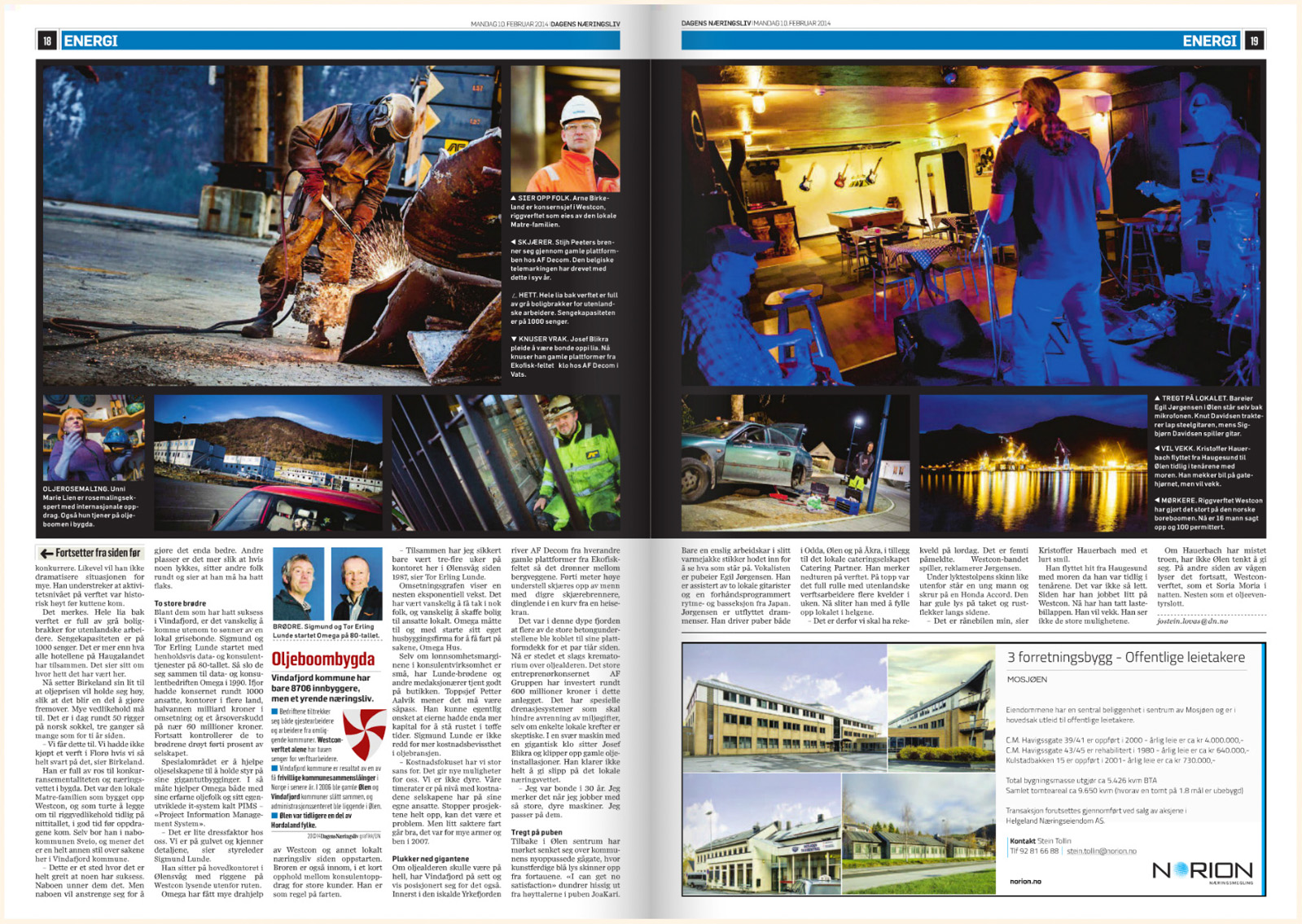
Ølen. The rig "West Alpha" as seen from a souvenir shop. The story of Norwegian oil is often referred to as a fairy tale

Ølen. The rig “West Alpha” as seen from a souvenir shop. The story of Norwegian oil is often referred to as a fairy tale

They call it “the billion mile.” Along a short stretch of road between Ølen and Vats in western Norway, in a municipality with a population less than 10,000, you find several major businesses, some with revenues well into the billions of NOK.

Ølen #2. Rigs are repaired, money is made. Usually

Ølen #2. Rigs are repaired, money is made. Usually

Most companies are connected to the oil service industry, making the entire community vulnerable to changes in the business cycles of the petroleum industry at large. In boom years, outside workers flock to the area in such numbers that one oil consultant firm even had to establish its own construction company to build housing for their new employees. That’s good for the local economy, obviously, with the town bar (smalltown bars are always good business barometers) reporting most nights as good nights. But that was then.

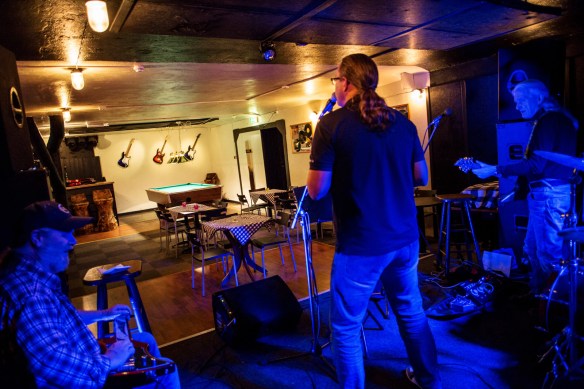
Ølen #3. Local bars are good business barometers. Tonight the houe band plays to an empty room

Ølen #3. Local bars are good business barometers. Tonight the house band plays to an empty room

A few weeks ago a journalist from the Norwegian Business Daily and I visited the area to see how lacking investments from the oil industries affect the community at large.

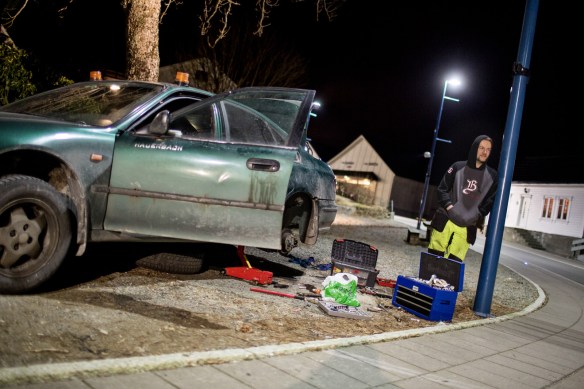
We visited the bar in question and that night the house band played to a room empty but us. Walking through the main street we saw a few closed down stores, a bunch of cats, but no people except for one kid doing car repairs, wishing to leave the place behind.

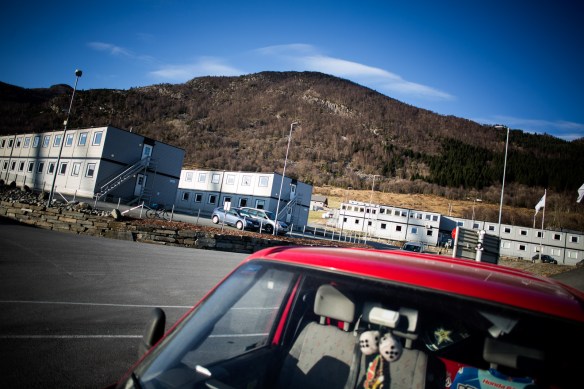
Ølen #4. Behind the shipyard temporary housing units reach far into the hills

Ølen #4. Behind the shipyard temporary housing units reach far into the hills

This is not recession as such. Norway has yet to take a hit anywhere as large as the rest of the world. But when the oil price remains steady for the third year in a row while costs increase ten per cent annually, big oil spends less on new investments. The local rig repair company, which at one time filled the hills above the yard with temporary housing units to accommodate foreign workers, is now lacking orders and has had to temporarily lay off a fifth of its employees.

So not a recession. More of a post-boom-hangover. Still, in a small place, you tend to notice things like that.

Ølen #5. Roadside car repair

Ølen #5. Roadside car repair

Ølen #6

Ølen #6

Ølen #7

Ølen #7

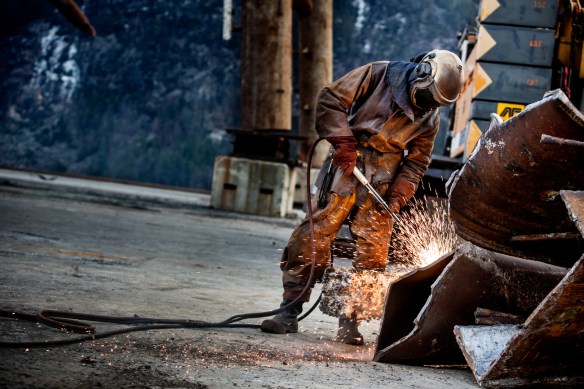
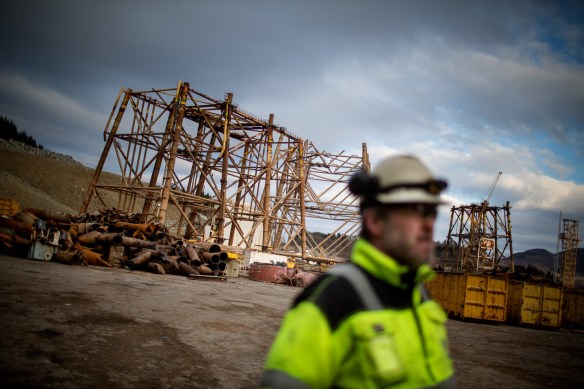
Vats. Scrapping decommissioned rigs

Vats. Scrapping decommissioned rigs

Vats #2

Vats #2

Vats #3

Vats #3

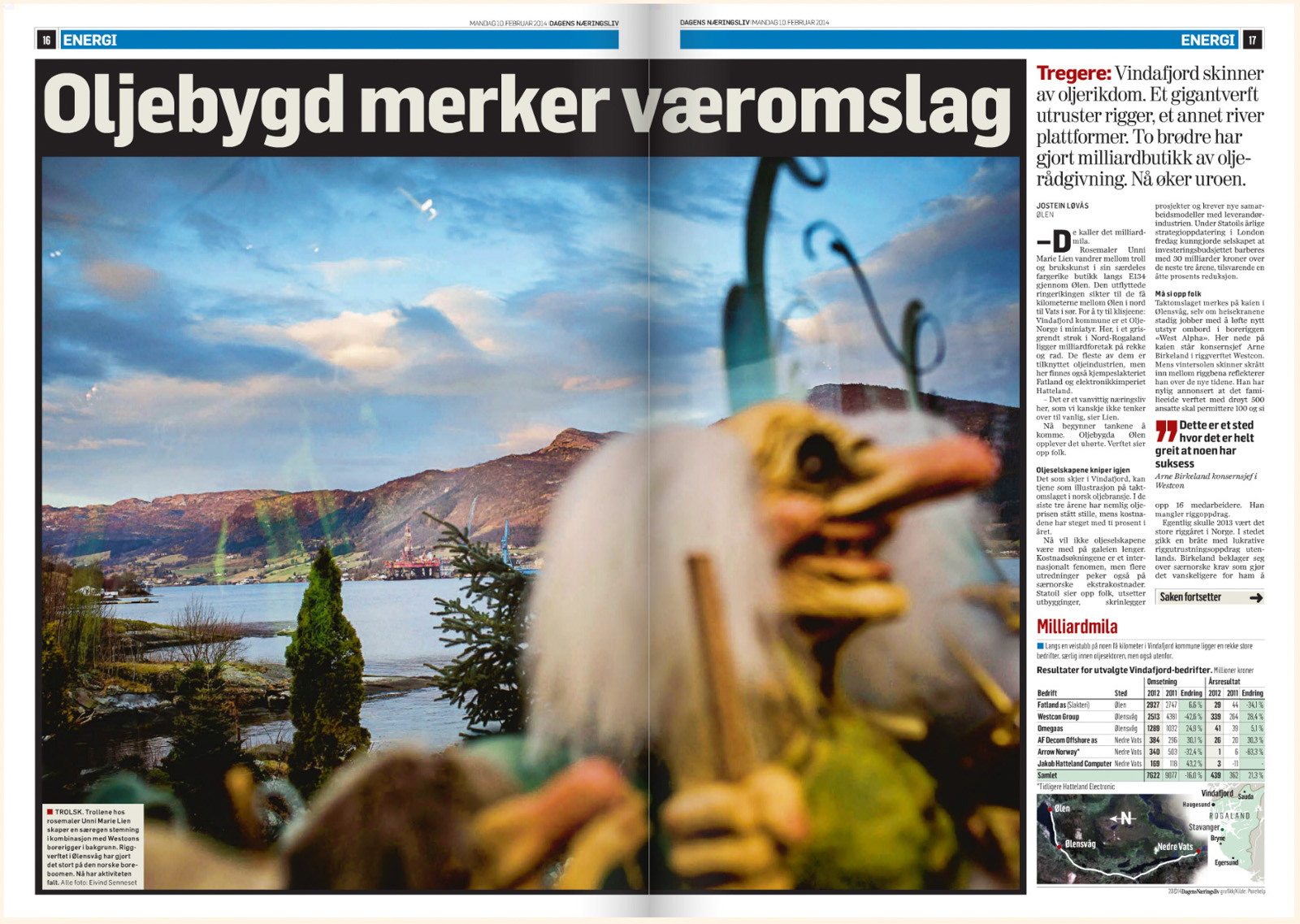
The story as it appeared in the Norwegian Business Daily (Dagens Næringsliv)

The story as it appeared in the Norwegian Business Daily (Dagens Næringsliv)

The story as it appeared in the Norwegian Business Daily (Dagens Næringsliv)

The story as it appeared in the Norwegian Business Daily (Dagens Næringsliv)

Skull Sunday

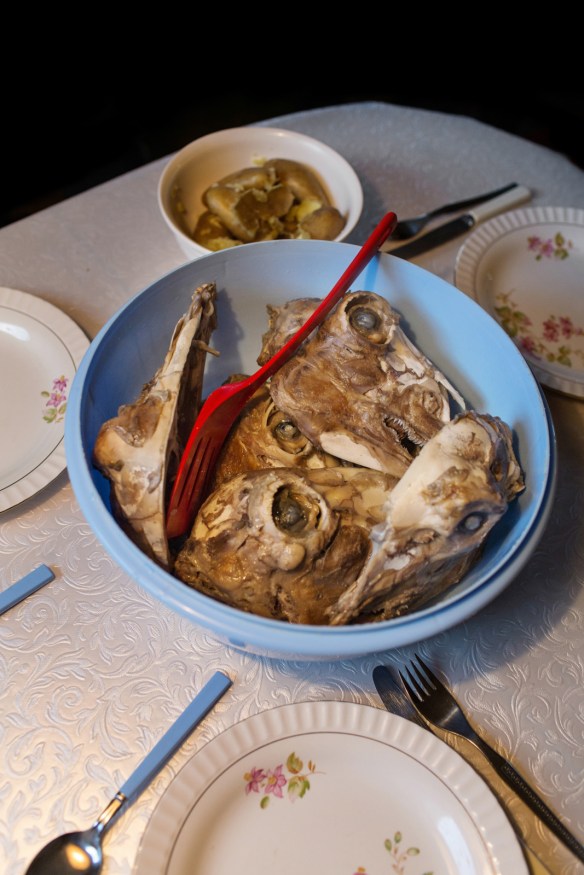
Ever had a staring contest with dinner?

Skull Sunday #1. Serves three

Skull Sunday #1. Serves three

When I photograph food for clients, we’re usually speaking of the gourmet stuff, prepared and styled to look its very best: let’s say scallops hand picked by the restaurant’s own divers, seared to perfection and carefully arranged in their shells on a sculpted mound of sea salt and… you get the picture. All at a price point that could probably get you a decent secondhand car in any former Soviet satellite state.

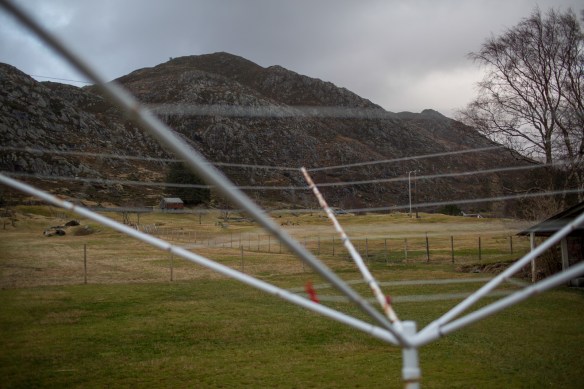
Skull Sunday #2. Bremanger

Skull Sunday #2. Bremanger

This is of course pretty far removed from what most of us consider everyday meals. But on the opposite end of the scale, and for many as equally removed from the everyday as a Michelin starred restaurant, you find the hardcore tradionalism. Food customs observed through nostalgia, mostly by the older generation. Such as Skull Sunday.

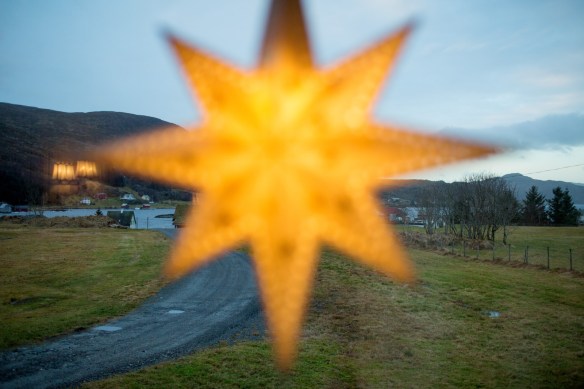
Skull Sunday #3. Bremanger. Again

Skull Sunday #3. Bremanger. Again

Skull Sunday #2. Simmering sheep

Skull Sunday #4. Simmering

Let’s set the scene. I wake up in a tiny bedroom in my grandmother’s house on the island of Bremanger. My dad or perhaps one of his brothers must have slept here as a kid. Old music posters of Ian Anderson, Marc Bolan, Suzi Quatro and some local 70s bands unheard of even in Norway are still gracing the walls, or rather, covering holes in even older wallpaper. Fat, lazy winter flies are buzzing like small drunken helicopters. Gusts of wind reaching storm strength are shaking the entire house, having torn off the roof of a community house a few nights before. In a basement periodically flooded, on an old electrical stove top, sheep heads are boiling.

Skull Sunday #2. Blink, blink

Skull Sunday #5. Blink, blink

Skjeltesøndag – literally “skull sunday” – is traditionally a local variation on the old concept of the dirty Sunday, the last Sunday before Christmas when after cleaning the house one was allowed to wear everyday clothes to the dinner table, to save one’s formal attire for Christmas. In the same vein, one was also supposed to save the good foods for Christmas, on this day eating lesser foods such as the heads of sheep. Only that somewhere along the way sheep heads made the transition from a lesser food to something of a celebration in itself. A delicacy, actually.

Go figure.

FAQ

Is it any good?
Actually, the meat is quite tasty, this is after all, just lamb meat. But I’ll willingly admit that I find the overall experience quite disturbing. There is something about food that stares back.

Speaking of which – do you eat the eye?
Hell no. But my great grandmother did. Lustily, I am told.

Is it even legal?
Lamb heads are. Adult head production is forbidden due to fear of scrapies.