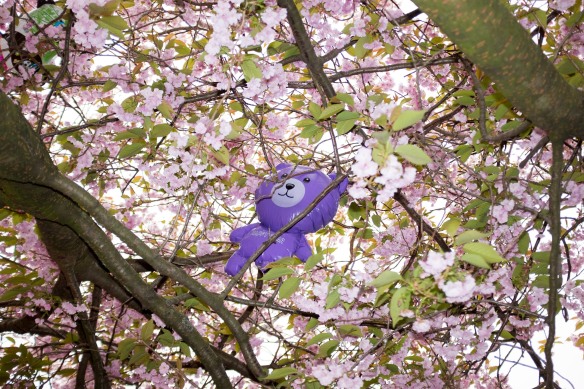
Bear. Bye-bye
Today was the Norwegian constitution day. There were casualties.
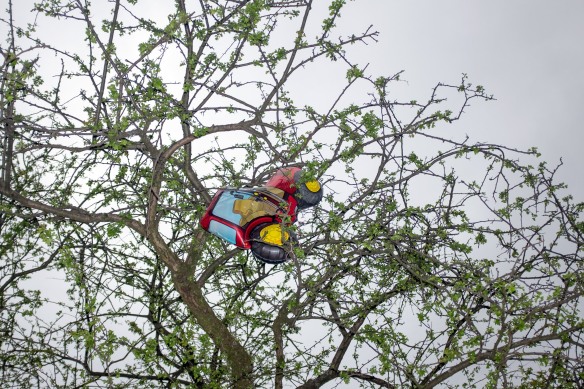
Tractor. Transcended
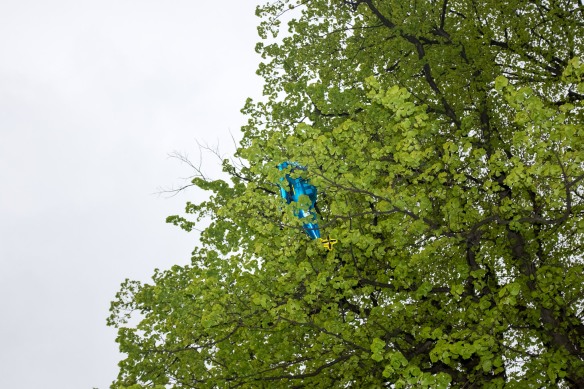
Helicopter. Off-lifted
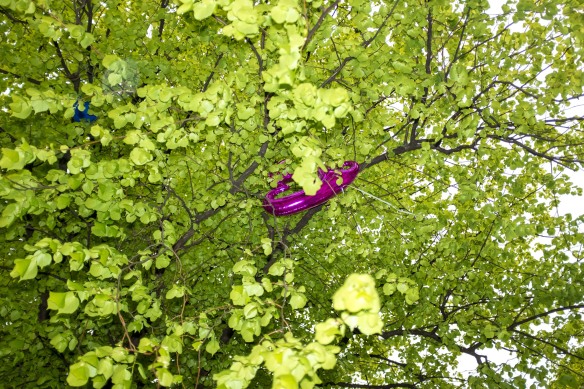
Something. I don’t know
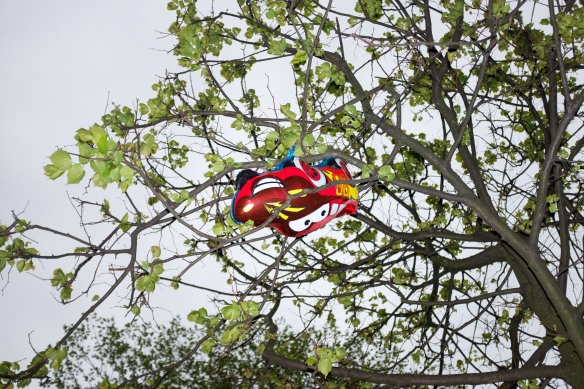
Car. Thoroughly parked
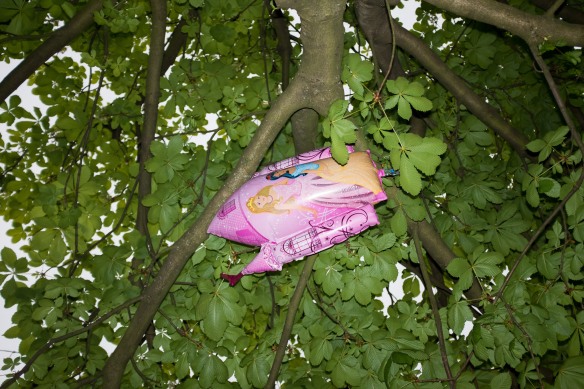
Princess. Abdicated
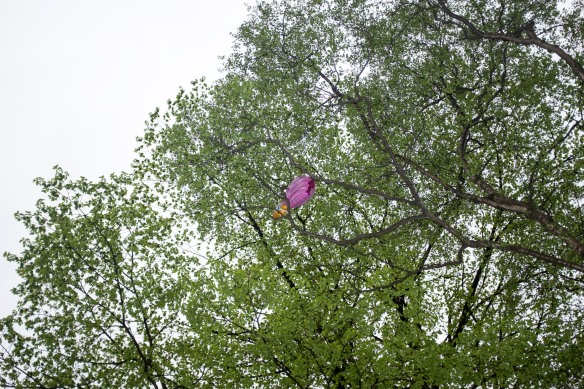
Princess II. Even more abdicated
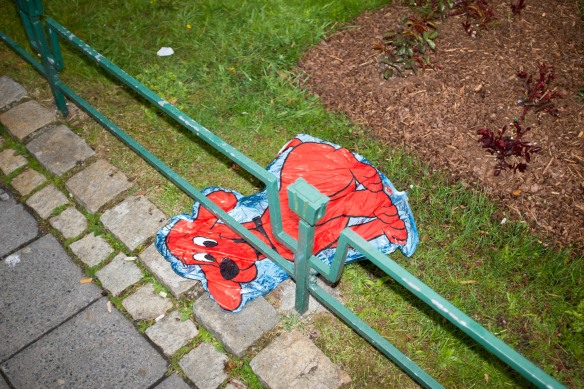
Dog. Deflated

Bear. Bye-bye
Today was the Norwegian constitution day. There were casualties.
Tractor. Transcended
Helicopter. Off-lifted
Something. I don’t know
Car. Thoroughly parked
Princess. Abdicated
Princess II. Even more abdicated
Dog. Deflated

Gone with the wind #1
Casualties of war wind.

Gone with the wind #2

Gone with the wind #3
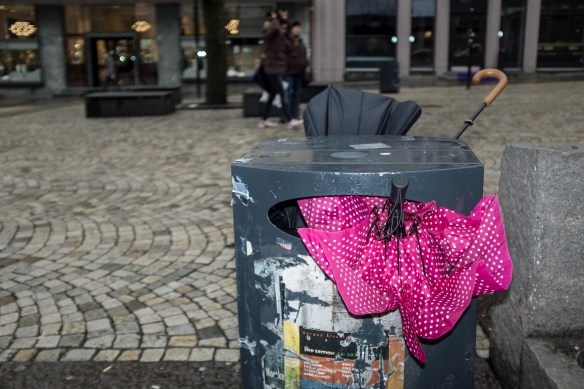
Gone with the wind #4
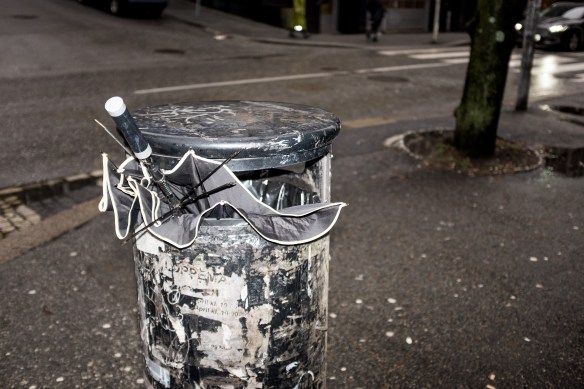
Gone with the wind #5
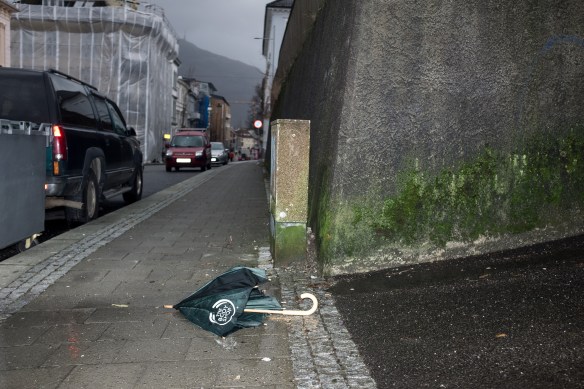
Gone with the wind #6

Gone with the wind #7

Gone with the wind #8
This Saturday we celebrate Skull Sunday.
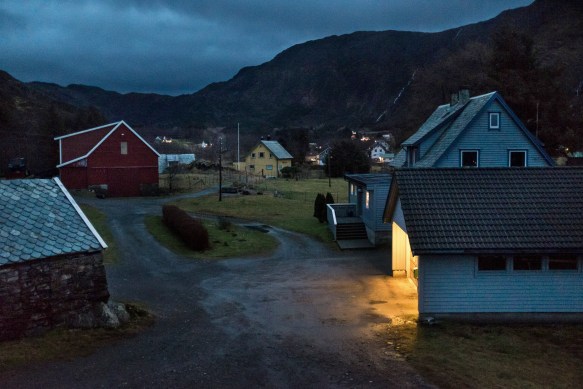
Bremanger #1
In two days time I’m leaving for Spain to not celebrate Christmas. This is an attempt to make the Christmas holiday an actual holiday (also to escape Norway’s soggy winter darkness). But before ditching all traditions, let’s observe some traditions.
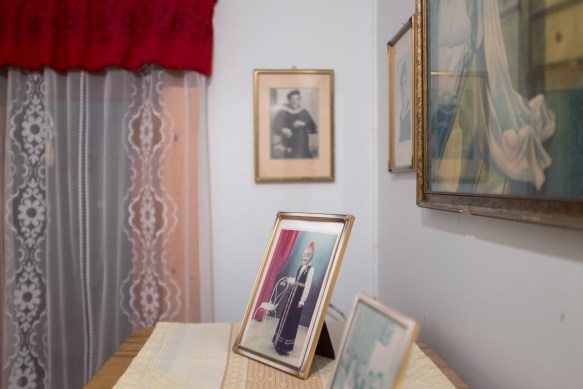
Bremanger #2. Family photographs
Skull Sunday is a perversion of old traditions observed through need, transformed into a celebration itself. I’ve touched upon the topic before: It’s the annual eating of boiled sheep heads.
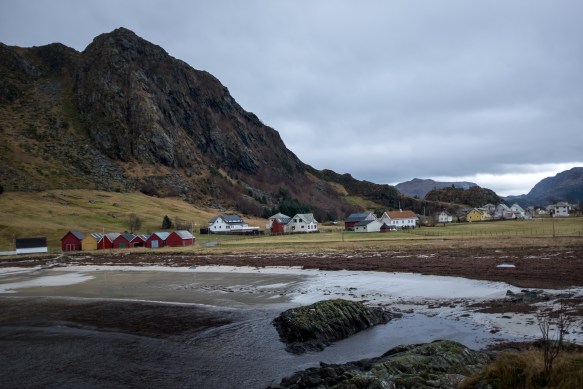
Bremanger #3
Bremanger is the island where my father grew up. The default weather here is shite. This close to winter solstice daylight lasts only for a few measly hours. The dark grey landscape is regularly lit with vulgar Christmas displays. Neon santas riding neon reindeers through neon snow are out of place in more ways than one. Mostly because this doesn’t feel like winter at all. Outside temperature was close to 13 centigrades when I got up at nine this morning. That’s a nicer temperature than we had mid summer.
Winds are rocking the old house, darkness is creeping in, half eaten half heads of lamb are piling up on the kitchen table.
It all feels very wrong in just the right way.

Bremanger #4. Workbench
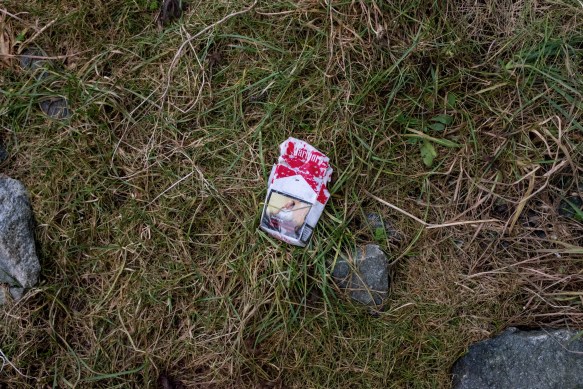
Bremanger #5. Cigarette Jesus
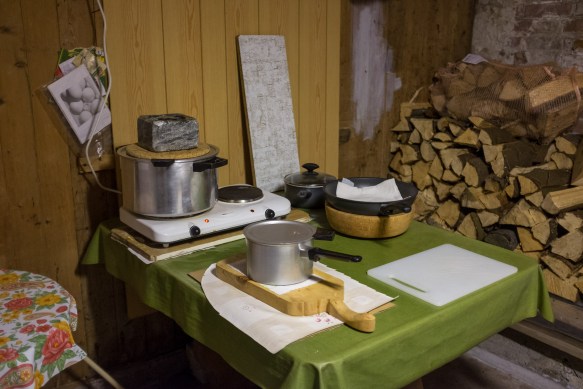
Bremanger #6. Food cooking

Bremanger #7. Potato
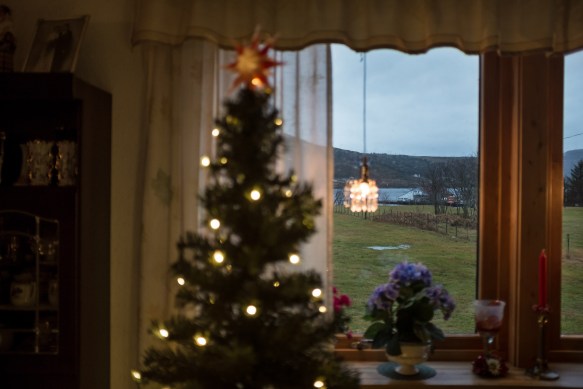
Bremanger #8. Christmas
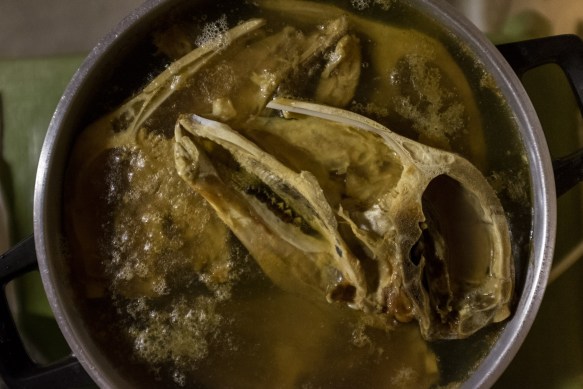
Bremanger #9. Food is ready
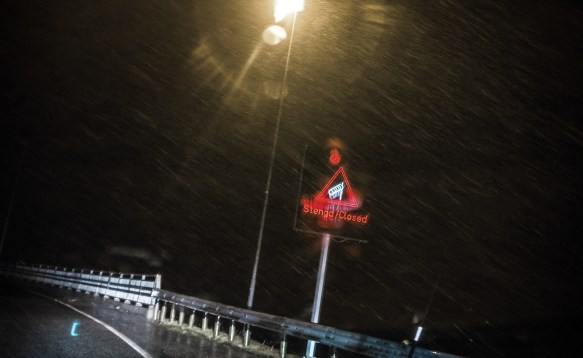
Bremanger #10. Road off the island (closed)
Moving a museum collection, animal by animal.
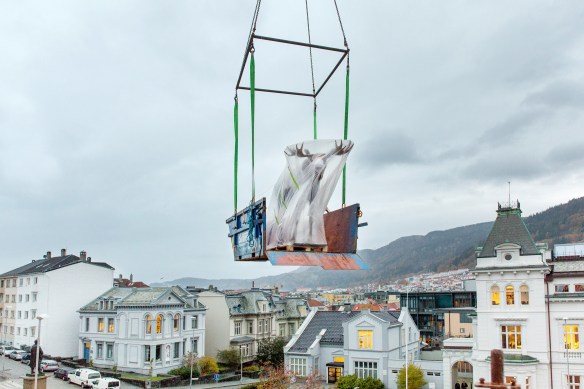
On the move #1
Is it a bird? Is it a plane? Is it Super… moose? Nah. Just a regular, stuffed Eurasian elk, lifted out of a third story window down to a waiting lorry.
This, of course, is not part of the animal’s normal migration pattern, but a necessity due to the renovation of the Natural History Collections at the University Museum of Bergen.
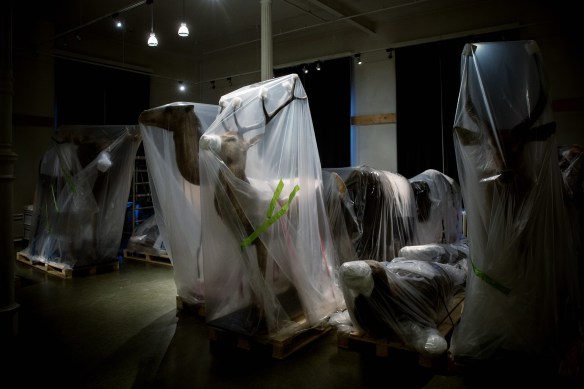
On the move #2. All wrapped up and ready to go
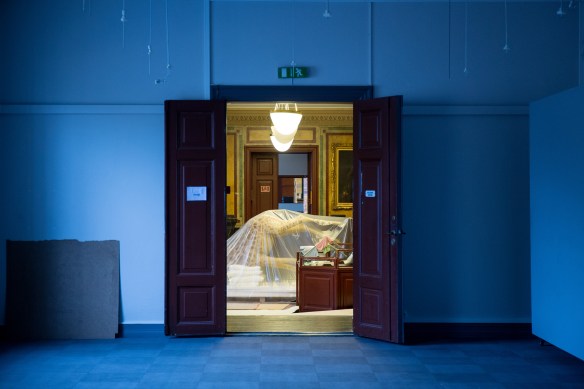
On the move #3. Giraffe. Horizontal
The moving of mice and moose, this exodus of elephants, took place October last year. I was hired to document the strange odyssey for the museum and followed the crew for a couple of curious days, as 60 large, stuffed animals of various condition were crane-lifted out of the museum and driven away for temporary storage.
The thing is, however, that nobody really knows how temporary this exile of the animals will be. As of now, the restoration is on hold due to lack of funding. In the last state budget, no money were allocated for this purpose. These days the museum is just empty. The halls are quiet, no work being done.
And the moose is missed.
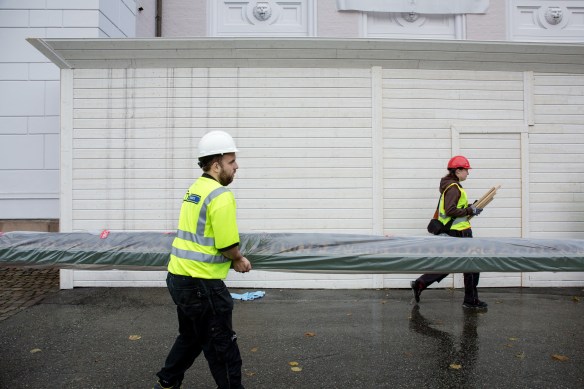
On the move #4. Anaconda
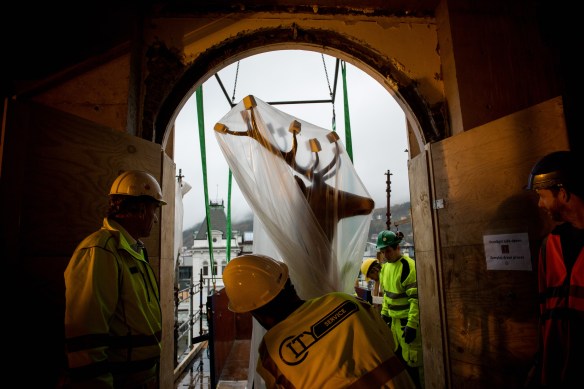
On the move #5. Not marshmallows
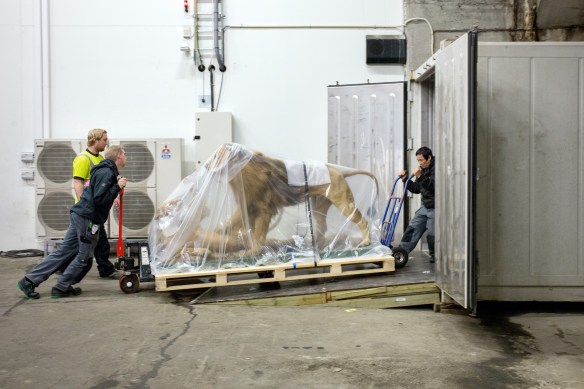
On the move #6. The lion, the witch lioness and the wardrobe container
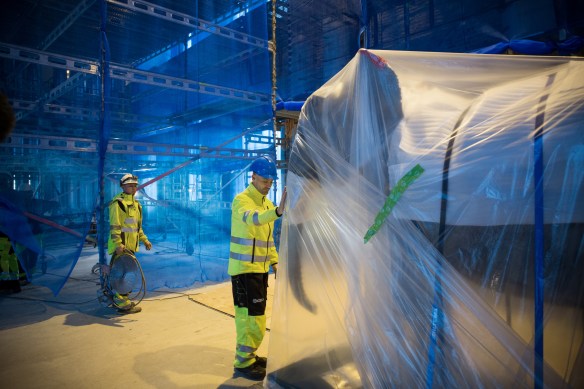
On the move #7. Trunk love

On the move #8. Soaring over Museum Square in a hot air ballon (not really)
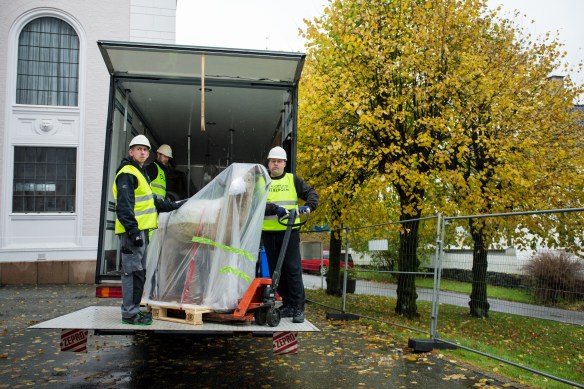
On the move #9. Ibex and crew

On the move #10. Lorry not marked “Elephant inside”
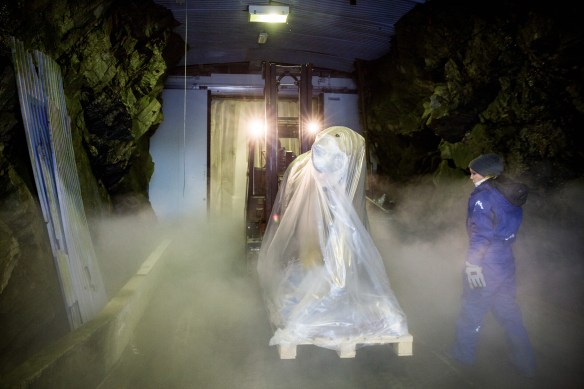
On the move #11. Polar bear returning to the cold. A four week stay at a commercial freeze storage ensures that no living pests are brought into the museum’s own storage facility
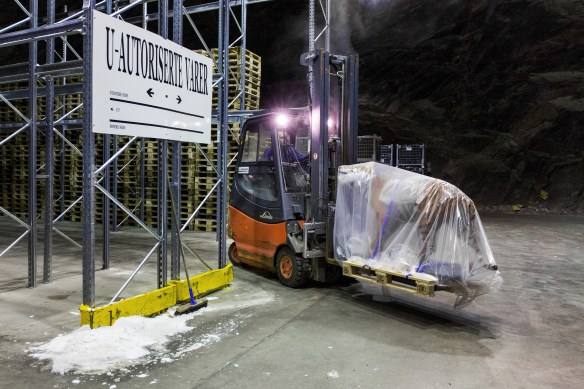
On the move #12. Sign reads “Unauthorized items”
(Last week the museum invited me back to make a new series of photographs. These were the subject of my last blog post: The Empty Museum.)
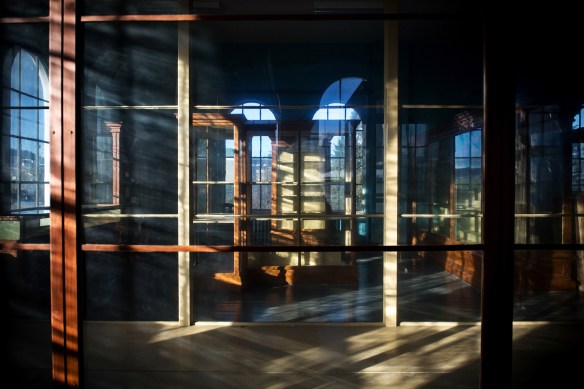
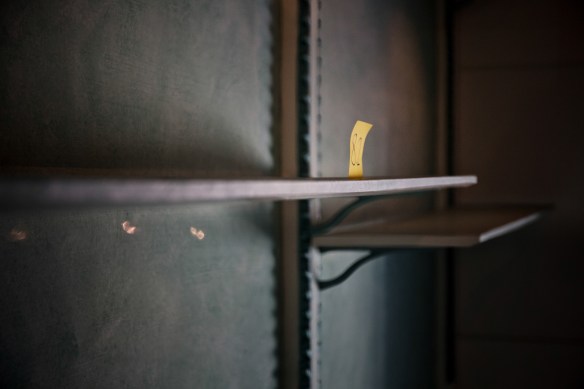
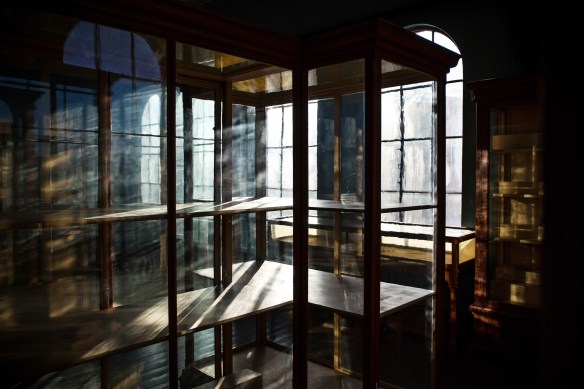
There used to be animals here. Wolves and elephants, moose and mice, beavers, birds and bears. Stuffed but wondrous. Ragged, scruffy, dusty and old. And beloved. Now there are none.
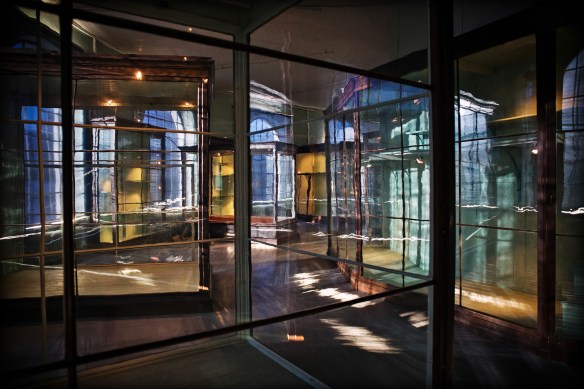
Exhibition: none #1
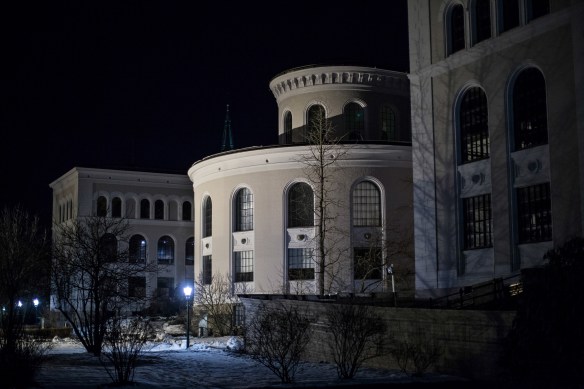
Exhibition: none #2
The Natural History Museum was one of the most popular museums in Bergen. It was built for a different time, for a different crowd, valuing wonder and mood over educational aspects. It was one of very few museums not yet ruined by forced modernization. Display cabinets had yet to be supplanted by fancy tech. Dust and lack of light were essential parts of the experience. It was a museum’s museum.

Exhibition: none #3
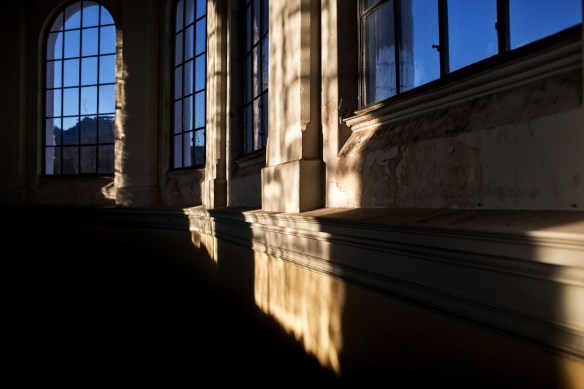
Exhibition: none #4
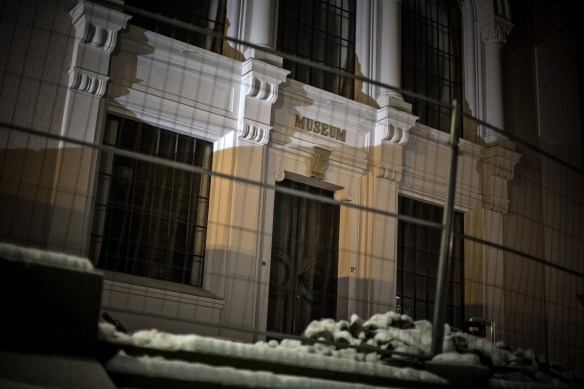
But the same age that lent the exhibitions their quaint qualities had also taken its toll on the objects and the animals. Seeing minimal upkeep since it first opened its doors for the general public in 1867, the museum was in dire need of maintenance. Large parts of the collection risked unrepairable damage unless the building itself was restored. Beginning a few years ago, one million museum items were catalogued, sanitized and moved to external magazines. The museum closed to the public. A 600m NOK restoration project, spanning several years, was underway. The reopening was scheduled for 2018. Then the money stopped.
In the last state budget, no money were allocated to the restoration project. The closing was meant to be temporary. But when the museum will open now is anybody’s guess.
Exhibition: none #5
Exhibition: none #6
Exhibition: none #7
Exhibition: none #8
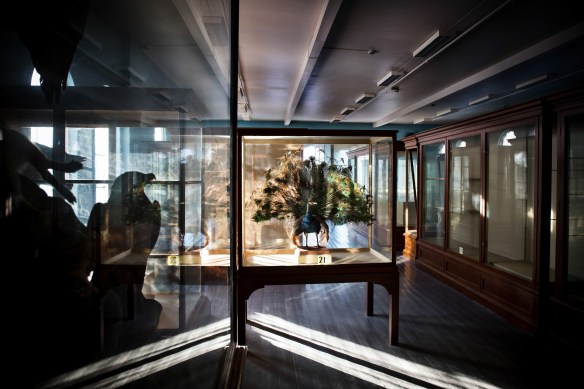
Exhibition: none #9. A peacock and an eagle are the only birds left in the bird room. Soon they too will go into storage for an indefinite amount of time
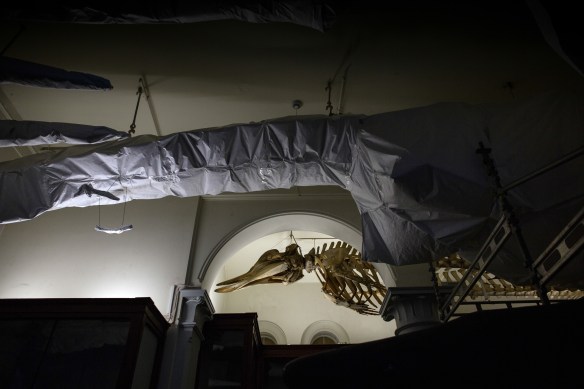
Exhibition: none #10. Whale skeletons, too big to move, are covered in paper and tarp
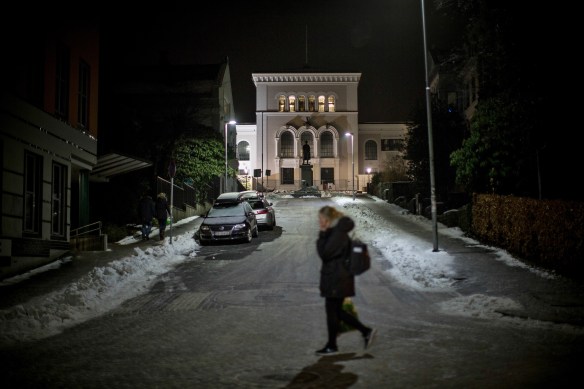
Exhibition: none #11
(See the animals leave the museum in the blog post “The Great Migration”)
A hundred years ago today Martha died. She was a passenger pigeon and the last of her kind, the final living specimen of a race of birds once so numerous that their flocks would black out the sky for hours on end.
(And commemorating her, here are my photographs of zoo enclosures without animals.)
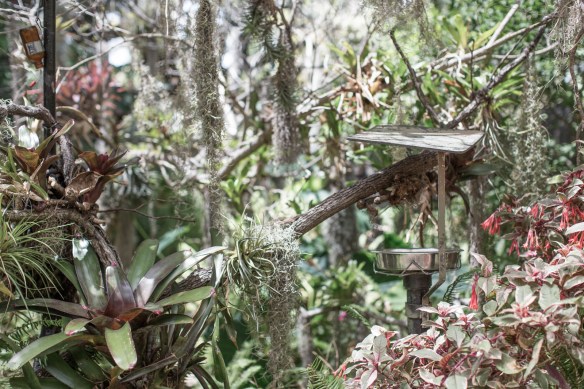
Zoo #1. No Hummingbirds
Extinction is natural. Species go extinct every day. But few species go extinct with such catastrophic vehemence as did the passenger pigeons.
When the Europeans arrived in the new world, there were billions of them – but not evenly distributed. No, they traversed the continent in a few enormous flocks. One flock observed in Canada in 1866 was said to count 3.5 billion birds. That one flock would have been 1.5 kilometres wide and over 500 kilometres long. And it would have darkened the sky for 14 hours or so. But even at that point the species had been in steady decline for over half a century. The decline was slow at first, but from 1870 to 1890 it was catastrophic.
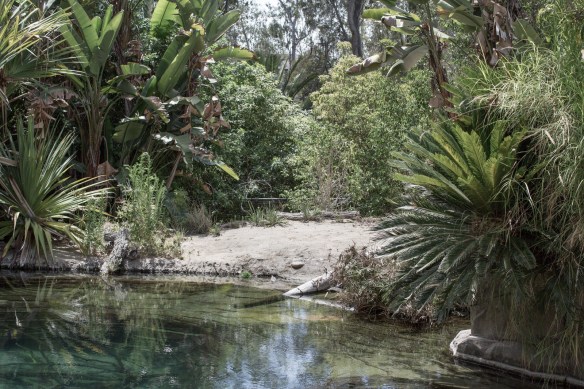
Zoo #2. No Painted Terrapins, Narrow-headed Softshell Turtles, Malaysian Giant Turtles or Johnston’s Crocodiles
Their numbers meant they were easily hunted. One double barrel blast of a shotgun could net even an amateur 60 birds. When pigeon meat was commercialised as cheap food for the poor, hunting became a massive and mechanised effort. Birds by the tens of millions were killed in the Midwest and shipped east on trains.
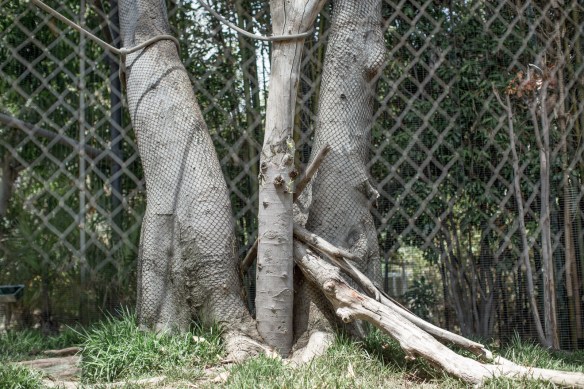
Zoo #3. No Black Mangabeys
Combined with habitat loss as European settlers hellbent on manifest destiny deforested vast areas of land, the birds who only laid one egg at a time couldn’t make it. In March 1900, an Ohio-boy names Press Clay Southworth killed a bird with a BB gun. That bird was the last recorded wild passenger pigeon. A few still survived in captivity. But on September 1, 1914, the very last died at the Cincinnati Zoo.
Here’s to Martha.
These photographs are from San Diego Zoo, carefully framed not to show the animals.
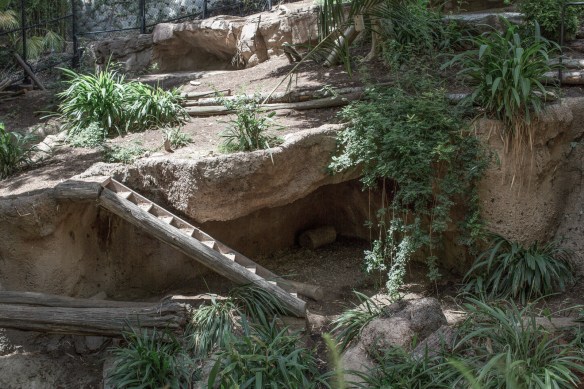
Zoo #4. No Tigers
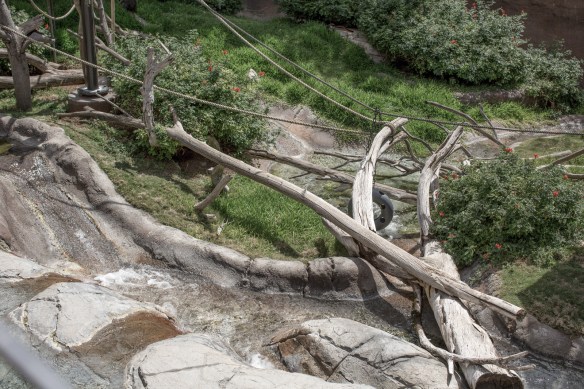
Zoo #5. No Allen’s Swamp Monkeys or African Spot-necked Otters
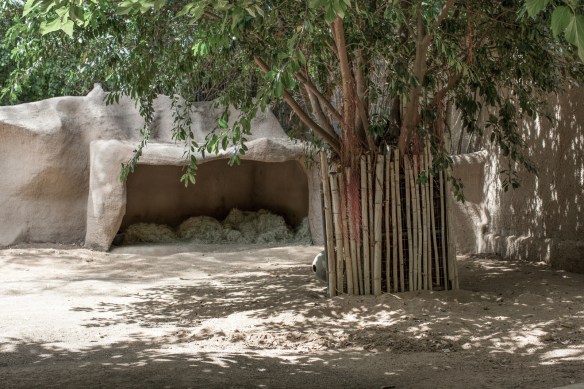
Zoo #6. No Visayan Warty Pigs
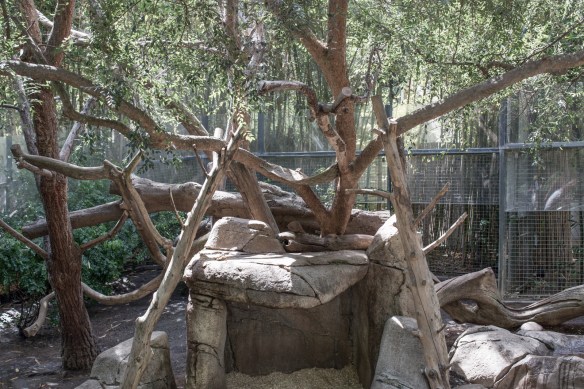
Zoo #7. No Giant Pandas
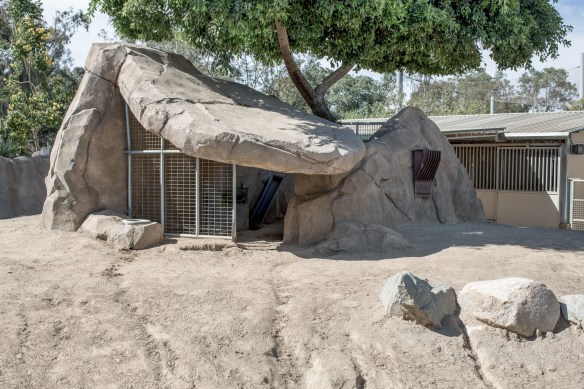
Zoo #8. No Pronghorns
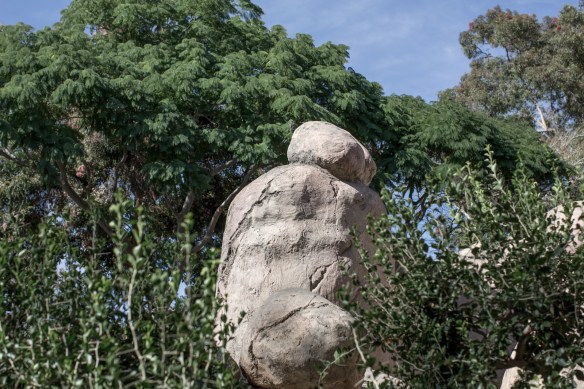
Zoo #9. No Klipspringers

Zoo #10. No Red Kangaroos
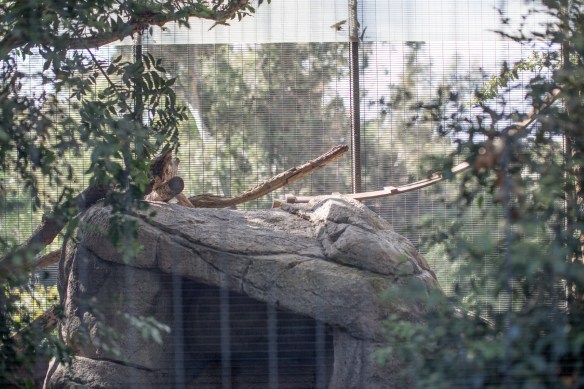
Zoo #11. No Clouded Leopards
Enough flatlands. Enough dead armadillos. Mountain-time.
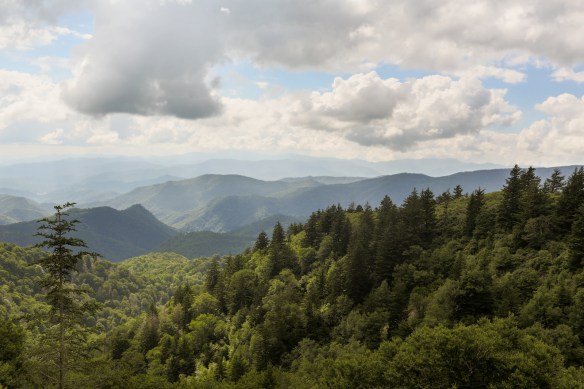
Mountains #1
Unknown, unknown, skunk, possum, skunk, unknown, dog, raccoon, unknown, deer, fox, unknown, armadillo, skunk, deer, unknown, dog, unknown, armadillo, raccoon, armadillo, unknown, armadillo, armadillo, armadillo, armadillo, unknown, armadillo, armadillo, unknown, unknown, deer, raccoon, armadillo, armadillo, armadillo, armadillo, armadillo, armadillo.
Those were roadkill, and about the only things besides asphalt, cars, billboards and endless fields of flat boredom that you see when driving south on the Interstate through the Midwest.
Enough of that, we said, and set course for the Great Smoky Mountains and the Blue Ridge Parkway.
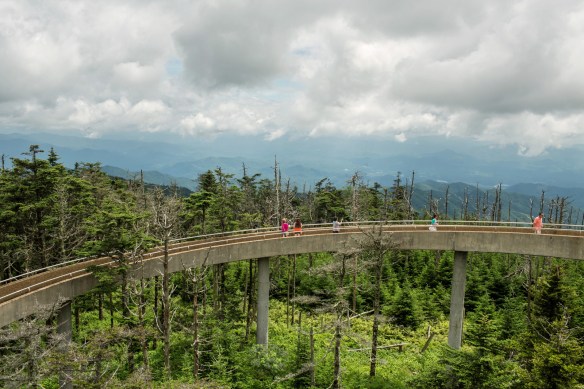
Mountains #2

Mountains #3
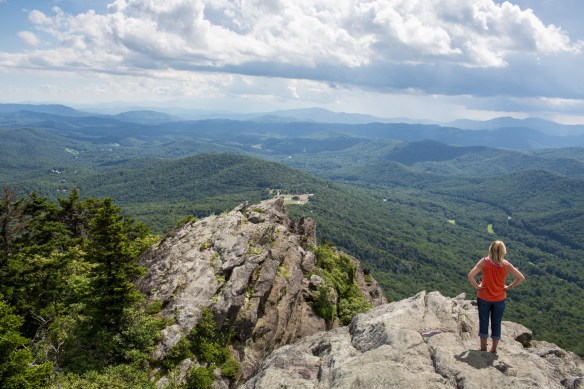
Mountains #4
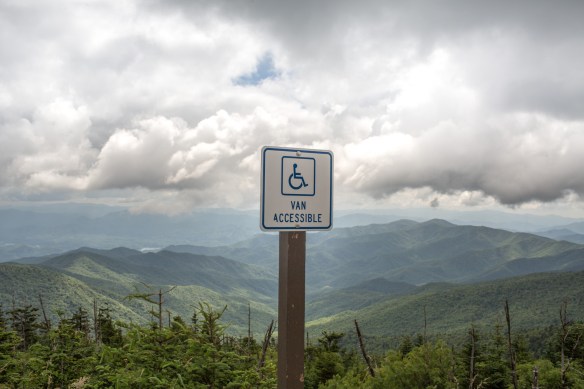
Mountains #5
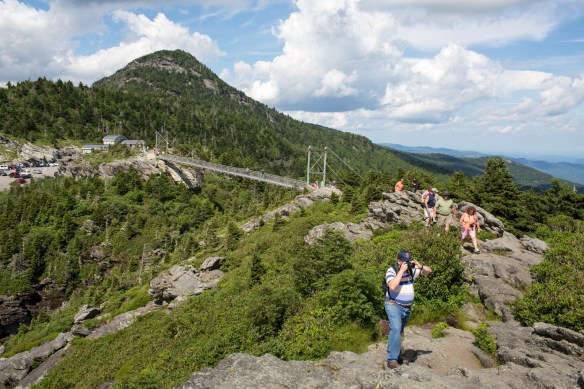
Mountains #6
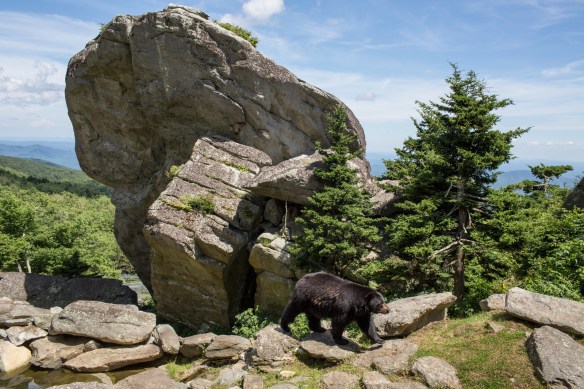
Mountains #7
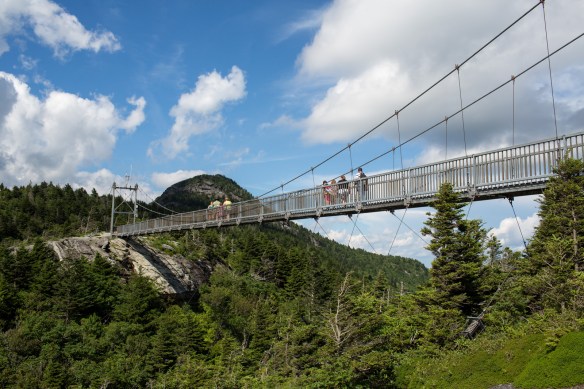
Mountains #8
This is America part seven. Read part six here, part five here, part four here, part three here, part two here, part one here.
 Eivind Senneset's Blog