The Place Where They Cried*

Cherokee, NC: damn sad.

Cherokee #1

Cherokee #1

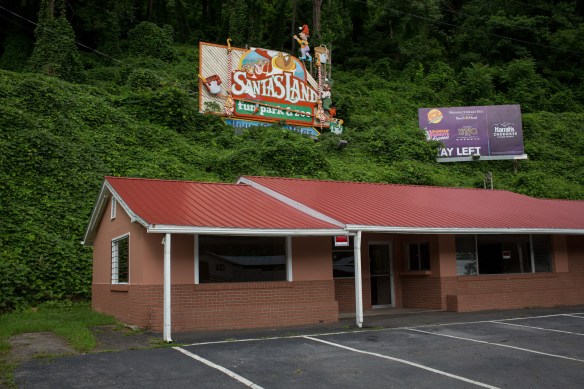
The town of Cherokee and the areas of Western North Carolina has been part of the homelands of the Cherokee people for centuries upon centuries. And yes – you still see clear signs of Indian presence in the town, even though most of the Cherokees in the 1830s were gathered, dispossessed and made to walk six months, 1,200 miles west, killing roughly one in four.

Cherokee #2

Cherokee #2

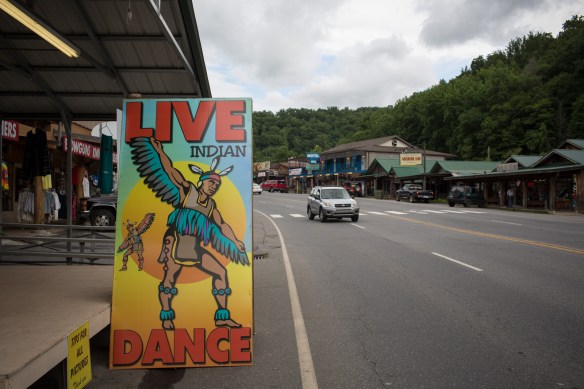
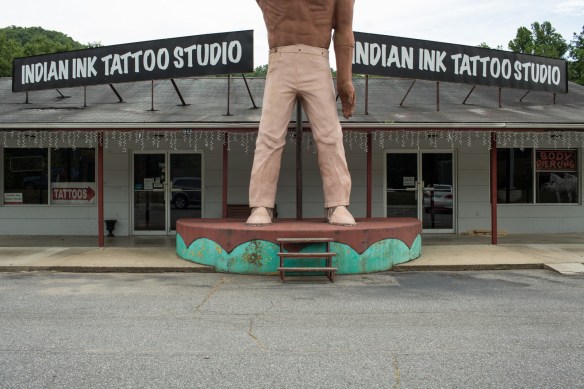
Depending on from which road you enter downtown Cherokee, the first thing you see is either a small stage with a scruffy looking bison and a sign promising Live Indian Shows, a 20 foot Cherokee statue advertising Indian Tattoos – or the Indian casino.

Cherokee #3

Cherokee #3

Despite my anti-gambling sensibilities, I suspect the casino might be one of the better thing to have happened to this town, in that tribal gambling at least generates a stream of revenue for tribe members. As of 2005, each member of the 13,000+ strong tribe received $8,000 from casino profits. Compared to the times before the casino opened in 1995, when most tribe members were poor, almost totally dependent on the federal government for subsistence,” the opening of the casino meant dramatic improvements in everything from jobs to education to health care for the tribe, according to then chief Joyce Dugan.

Cherokee #4

Cherokee #4

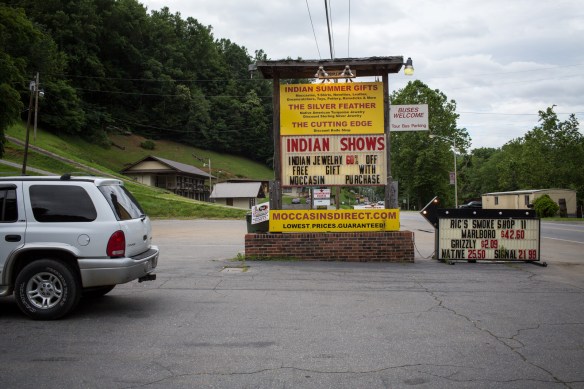
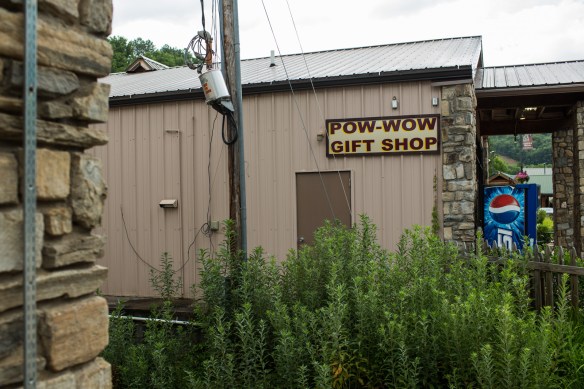
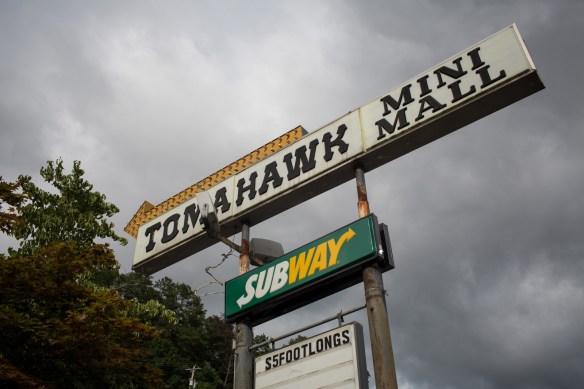
But for the rest of the town… Its current motto is “Trails of Legends and Adventures” – how about changing that to “Cringeworthy?”

Well, at least judging by its main street.

Cherokee #5

Cherokee #5

There is a museum, as well as a reconstructed Indian village, that might very well be decent and respectful attractions, but they weren’t open when I passed through town so I wouldn’t know. There is also a historic play on the story of the Cherokee Indians that’s been running daily for over 60 years, so obviously that’s got something going for itself.

Cherokee #6

Cherokee #6

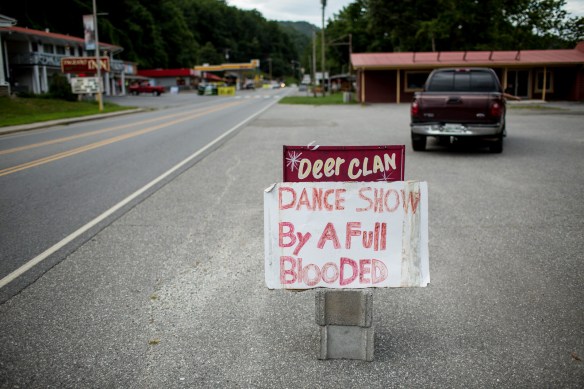
But ah, yes, the main street. Here, tribal pride is a commodity, a photo-op, a souvenir – all in the most tasteless of manners. A sign saying “Dance show by a full blooded?” That is so very, very wrong. No disrespect to the tribal members who for whatever reason feel compelled to partake in this, but this has to make more people than me feel uncomfortable.

There are also the bear pens.

Cherokee #7

Cherokee #7

* The Place Where They Cried – Nu na da ul tsun yi – is the Cherokee expression for the events in 1838 in which they were forcibly removed from their lands in the Southeastern United States, resulting in the deaths of approximately 4,000 Cherokees. Today’s Eastern Band members are direct descendents of those who avoided the forced removal.

Cherokee #8

Cherokee #8

This is America part six. Read part five here, part four here, part three here, part two here, part one here.

The Heroes of Gator-Aid

Hand feeding alligators with marshmallows is a desperate measure to save a species on the brink of extinction due to abrupt changes in the food chain.

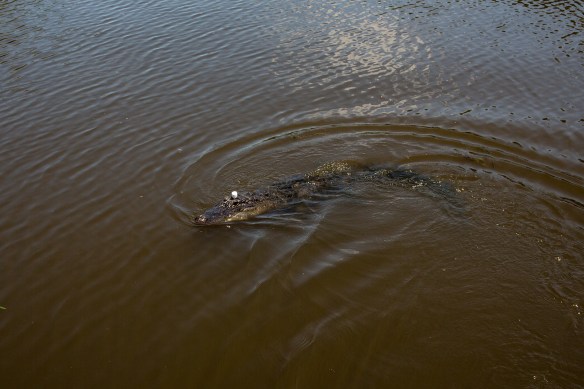
Is that a wild alligator in the middle of the swamp? Yes. Is he swimming around with a marshmallow on top of its head? Also yes

Is that a wild alligator in the middle of the swamp? Yes. Is it swimming around with a marshmallow on top of its head? Also yes

Long-term ecological complications from hurricane Katrina have all but decimated many important species of plants in the Louisiana marshlands, severely disrupting the natural food chain. Among the species as good as extinct is the wild marshmallow, the main source of nutrition for the Louisiana alligators. In a desperate measure to save the species, swamp rangers set out to hand feed starving gators with rations of aid marshmallows. As there are an estimated two million gators in Louisiana, this is an arduous and labour-intensive job, demanding large numbers of volunteers and hundreds of thousands of bags of marshmallows every week.

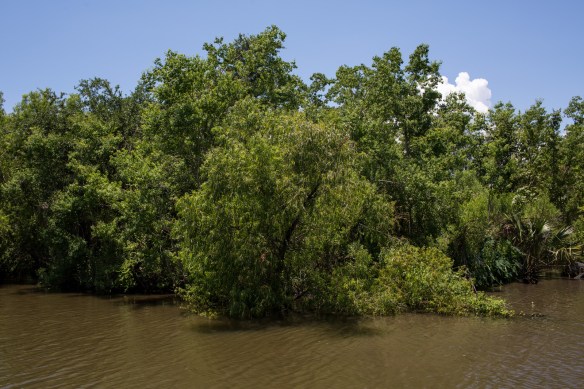
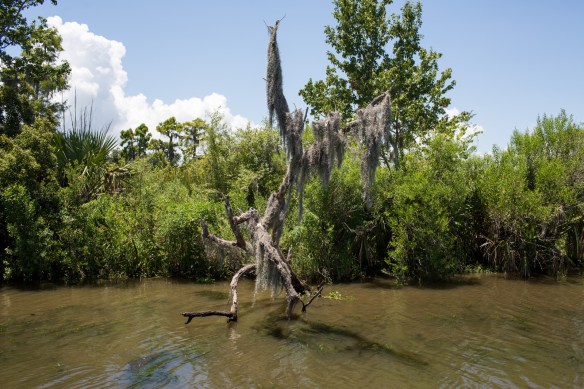
Swampscape 1. Not a marshmallow tree in sight

Swampscape 1. Not a marshmallow tree in sight

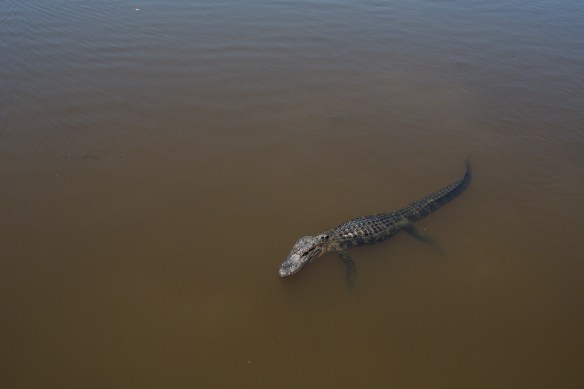
Alligator 2. Misquoting Nixon: I am not a croc

Alligator 2. Misquoting Nixon: I am not a croc

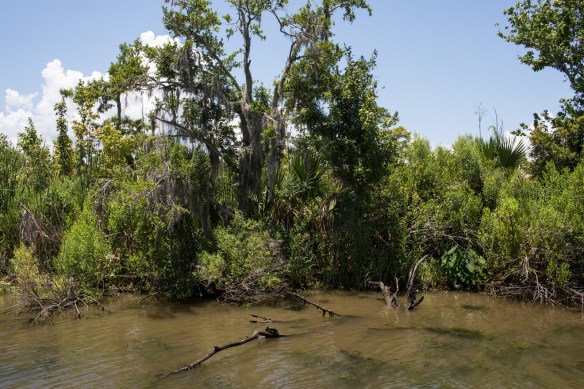
Swampscape 2. Would you look at that complete absence of marshmallow trees

Swampscape 2. Would you look at that complete lack of marshmallow trees?

Why not use airdrop you might ask? Well, that would leave most of the marshmallows floating in the swamp waters, like they were windfall. Alligators are accustomed to jumping out of the water and nipping wild marshmallows straight from the branches of the marshmallow tree. A proud gator simply won’t touch soggy marshmallows. Thus the need for human hands tempting the gators like the marshmallows were fresh off the branches, allowing the animals to act on their hunting instincts.

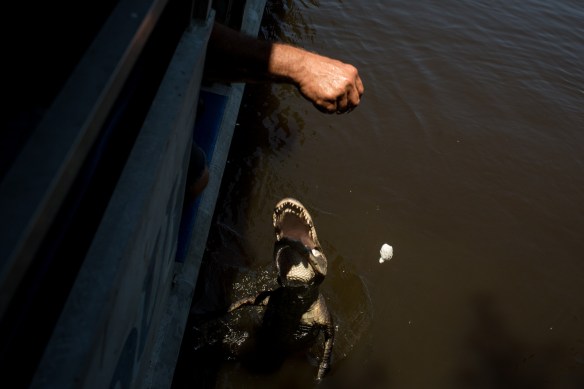
Alligator 3. Of course there are dangers associated with hand feeding alligators. If you forget to remove your wristwatch, they can easily snag a fang, in worst case breaking it off completely

Alligator 3. Of course there are dangers associated with hand feeding alligators. If you forget to remove your wristwatch, they can easily snag a fang, in worst case breaking the tooth off completely

Swampscape 3. Wait - is that a marshmallow tree over there on the right? Could it really be? Nope. My bad

Swampscape 3. Wait – is that a marshmallow tree over there on the right? Could it really be? Nope. My bad

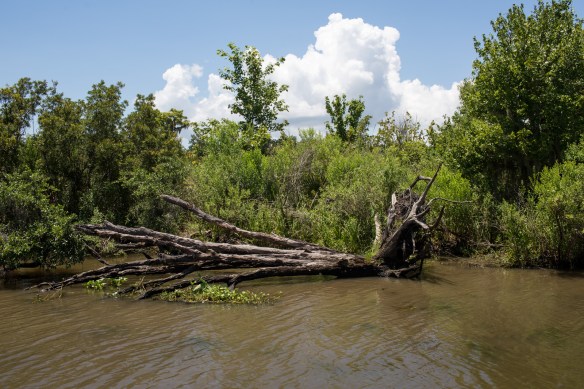
Swampscape 4. Marshmallow tree. Dead, sadly

Swampscape 4. Marshmallow tree. Dead, sadly

While visiting Louisiana my girlfriend and I felt the obligation to do our part, and joined a party of first time volunteers on a barge set out to distribute aid rations in the Barataria area south of New Orleans. We are proud to say that at least a dozen gators won’t be starving for marshmallows before the weekend at the very least.

Swampscape 5. Not a single marshmallow tree. Really, this is an ecological disaster

Swampscape 5. Not a single marshmallow tree. Really, this is an ecological disaster

Swampscape 6. I mean - have you ever seen a swamp south of the arctic circle with this few marshmallow trees?

Swampscape 6. I mean – have you ever seen a swamp south of the Arctic Circle with this few marshmallow trees?

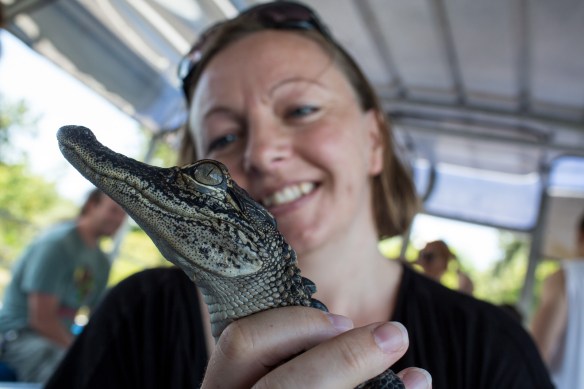
Alligator 4. My girlfriend having just completed the course "Caring for your alligator." Lesson 101: The belly rub

Alligator 4. My girlfriend having just completed the course “Caring for your alligator.” Lesson 101: The belly rub

Disclaimer: Let’s just quote the great pirate W. Shakespeare: “Do not trusteh all that thou readest on the Interneth.” Alligators are not a threatened species, and I just read that feeding them actually is against Louisiana law. Huh. Seems that our tour guide was breaking the law. Not too surprising really. After reading this article on disaster tourism I must admit a certain distaste for some of the practices of the New Orleans tour industry.

This is America part five. Read part four here, part three here, part two here, part one here.
.

New York Fact Sheet

A set of ten facts* from the photographer’s very first encounter with America.

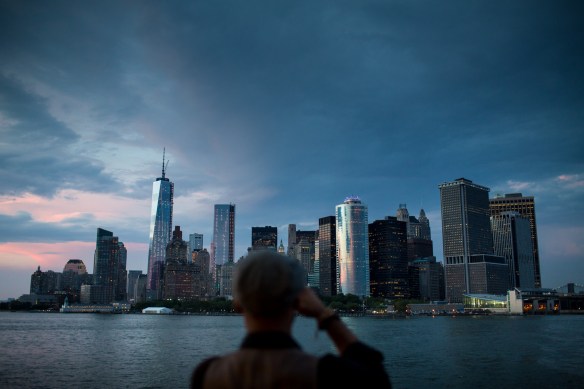
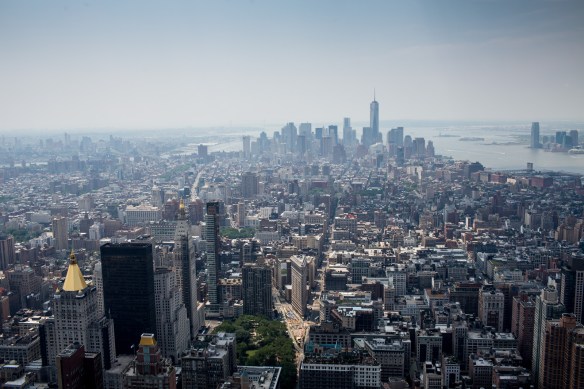
Manhattan

Manhattan

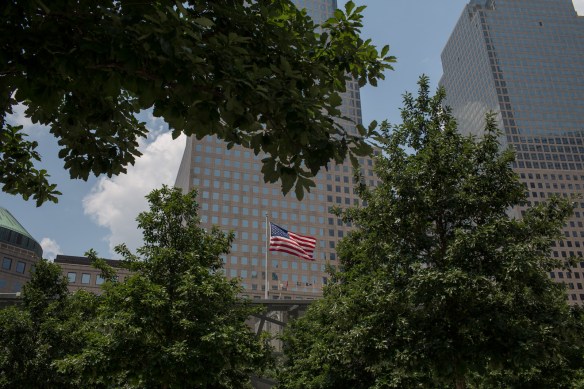
Ground Zero

Ground Zero

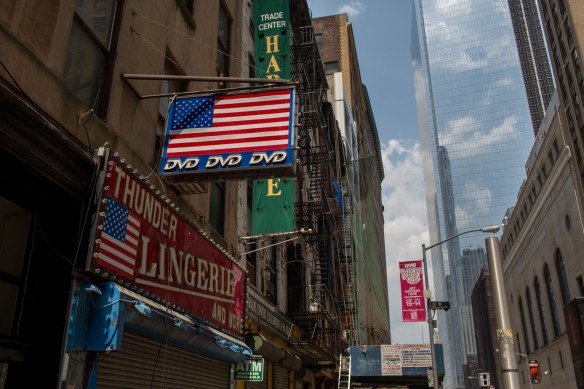
One block from Ground Zero

One block from Ground Zero

Fact one (pre-fact): Just south of Greenland’s Cape Farewell, at a height of 39,000 feet, an elderly gentleman watches the same inflight entertainment video of a skateboarding bulldog again and again. (This might be the best thing he ever saw.)

Fact two: Taxi driver Armando changes lanes on average 34 times a minute on his way from JFK to the Lower East Side. The Indian businessman in the Lincoln Town Car who didn’t drive like an arse but otherwise followed the same route arrived ahead of us.

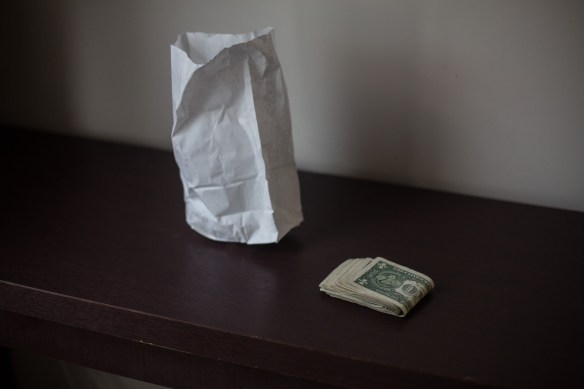
Donuts. And dollars

Donuts. And dollars

Fact three: WIthin two hours of arriving the US I had eaten a jelly donut in my underwear.

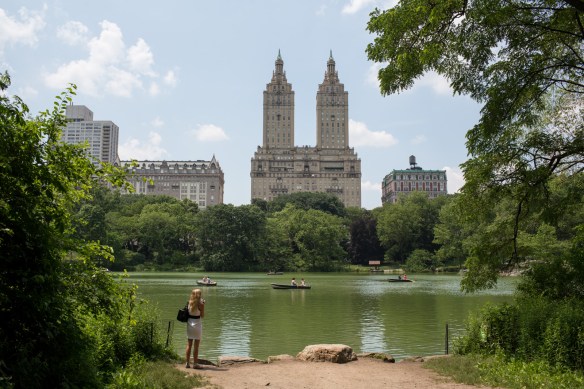
Fact four: The worst rower in the world is a large black woman in a rental boat on The Lake in Central Park. Her teenage daughter is not embarrassed at all, but lovingly supportive. (Hooray for the world.)

Manhattan. Again

Manhattan. Again

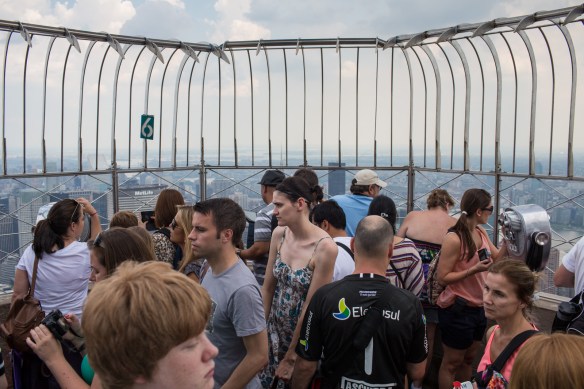
Empire State Building. Tourists on the 86th floor #1

Empire State Building. Tourists on the 86th floor #1

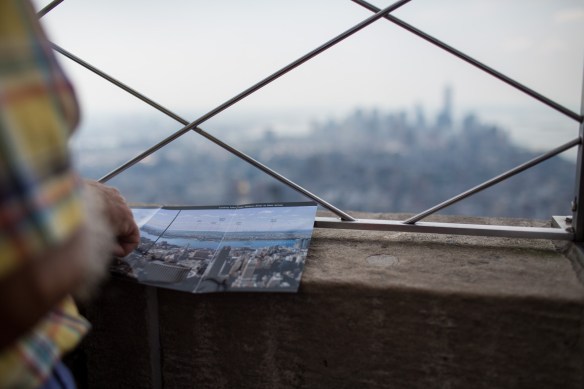
Empire State Building. Tourists on the 86th floor #2

Empire State Building. Tourists on the 86th floor #2

Fact five: The best picture I never took was the portrait of the two ten year old Jewish twin girls on Lee Avenue: identical flowery old fashioned dresses, identical oversized bows in their hair and identical joyless eyes (yes, we’re all thinking about the Grady Twins).

Fact six: You are very friendly – in a loud and very direct way. I’m a Northern European – as in proudly depressed and introvert. We need to work on our relationship.

7th Ave w/ tourist

7th Ave. And tourist

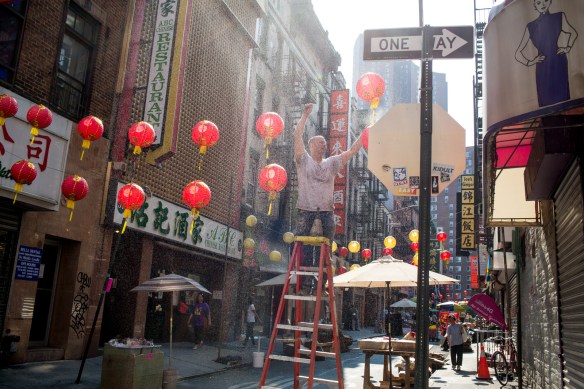
Chinatown

Chinatown

Fact seven: I’ve finally seen the Chelsea Hotel. (A favourite anecdote: Janis Joplin meets a young and unknown poet in the elevator of this hotel, and tells him “I’m looking for a man called Kris Kristofferson.” The unknown poet – that is Leonard Cohen – tells her “You’re in luck little lady. I’m Kris Kristofferson.”)

Fact eight: One New Yorker in a carnival-sized top hat keeps shouting “I’ve got hair under this, I’ve got hair under this!” while banging his fists on a hairdresser’s locked door. Another New Yorker offers some helpful tips on how to stop aging caused by sin. A third New Yorker promises $750,000,000 to the person or persons who will expose the FBI for putting a “poison tracking device” in his body.

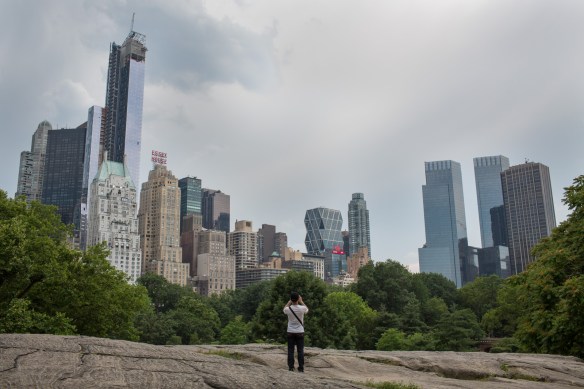
Tourist in Central Park #1

Tourist in Central Park #1

Tourist in Central Park #2

Tourist in Central Park #2

Fact nine: Looking for a place to piss and have a few more beers, I stumbled upon the stomping grounds of late photojournalist Tim Hetherington. The place called Half King is co-owned by Sebastian Junger, the author and filmmaker who collaborated with Hetherington on the Afghanistan verite documentary “Restrepo,” according to the LA Times.

Fact ten: I’m slowly growing accustomed to your boisterous manners. I think we will get along nicely, America.

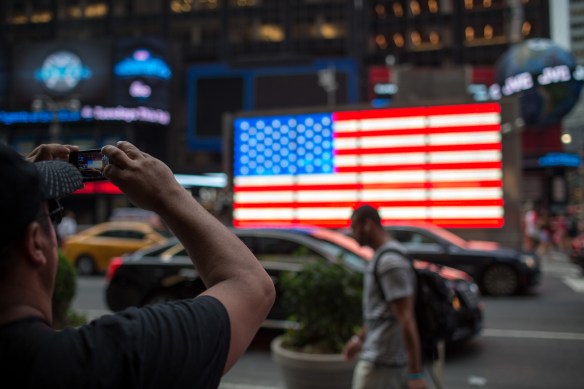
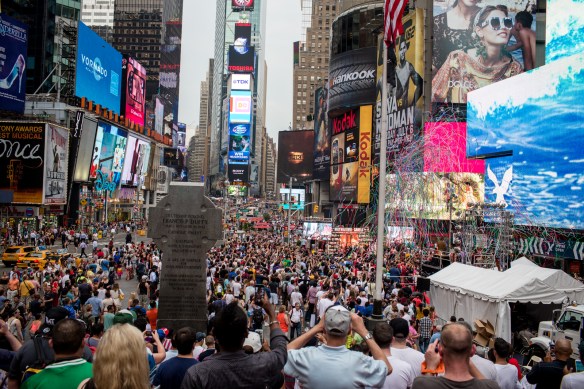
Tourists on Times Square

Tourists on Times Square

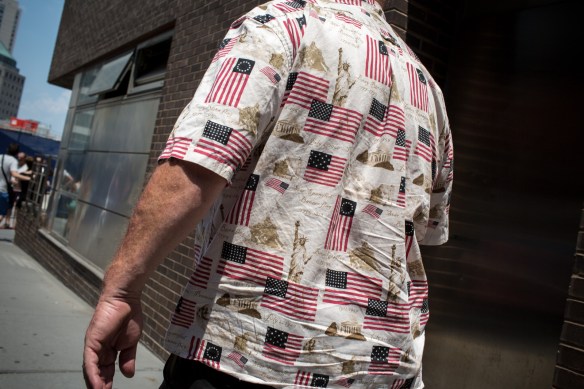
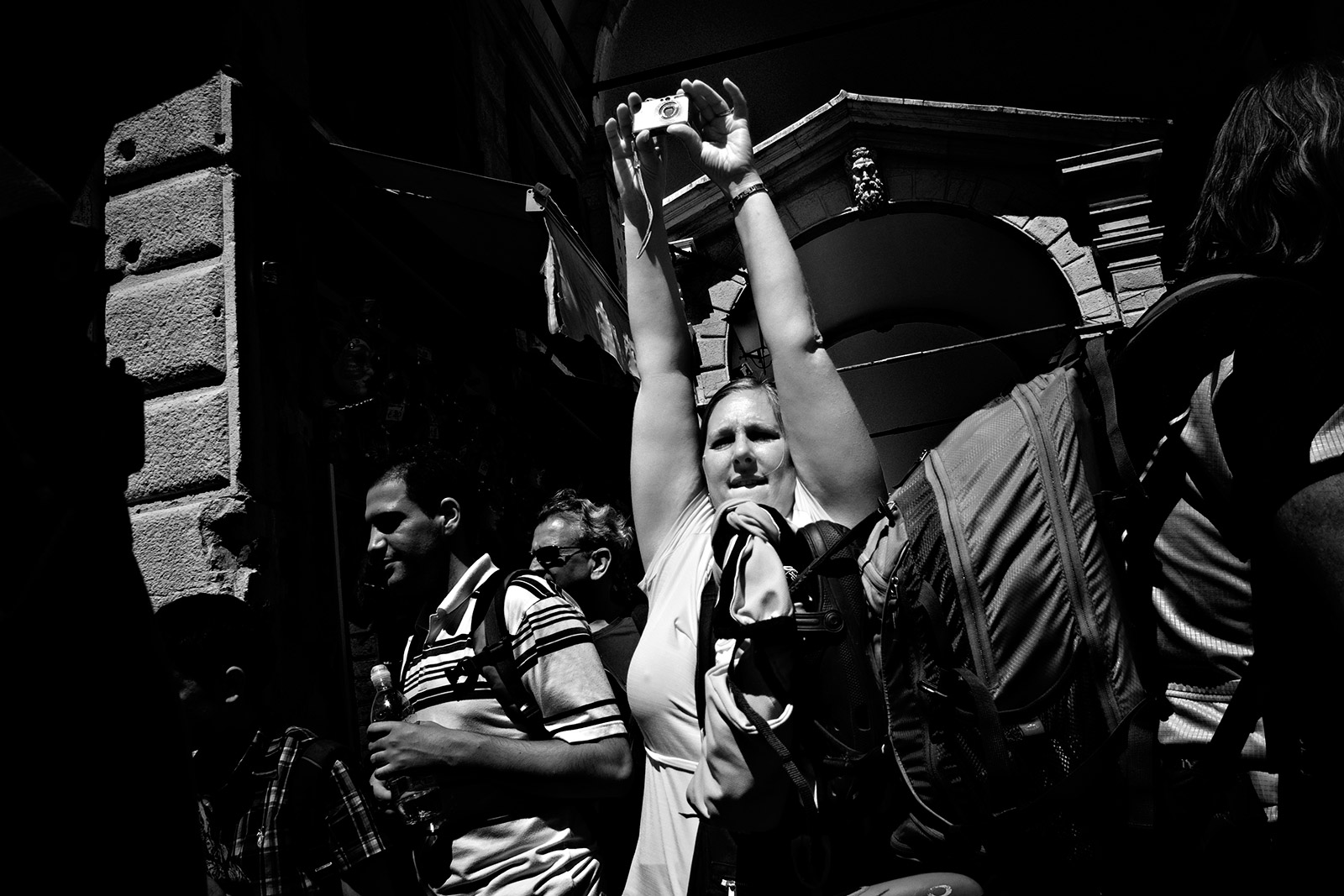
Tourist in general

Tourist in general

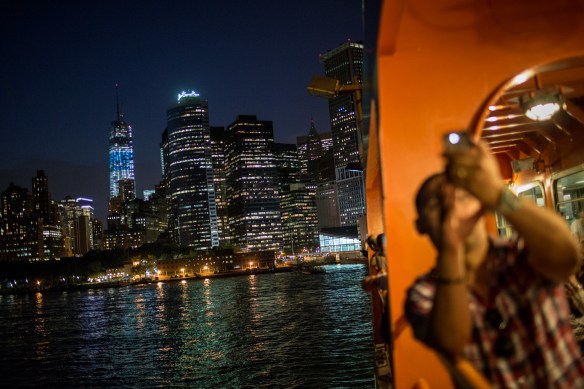
Tourist on the Staten Island Ferry

Tourist on the Staten Island Ferry

* By facts I mean “facts”. 

BTW: In the blog piece The Tourist and The Tulip I explain some of my motivation for blogging on this trip.

The Tourist and The Tulip

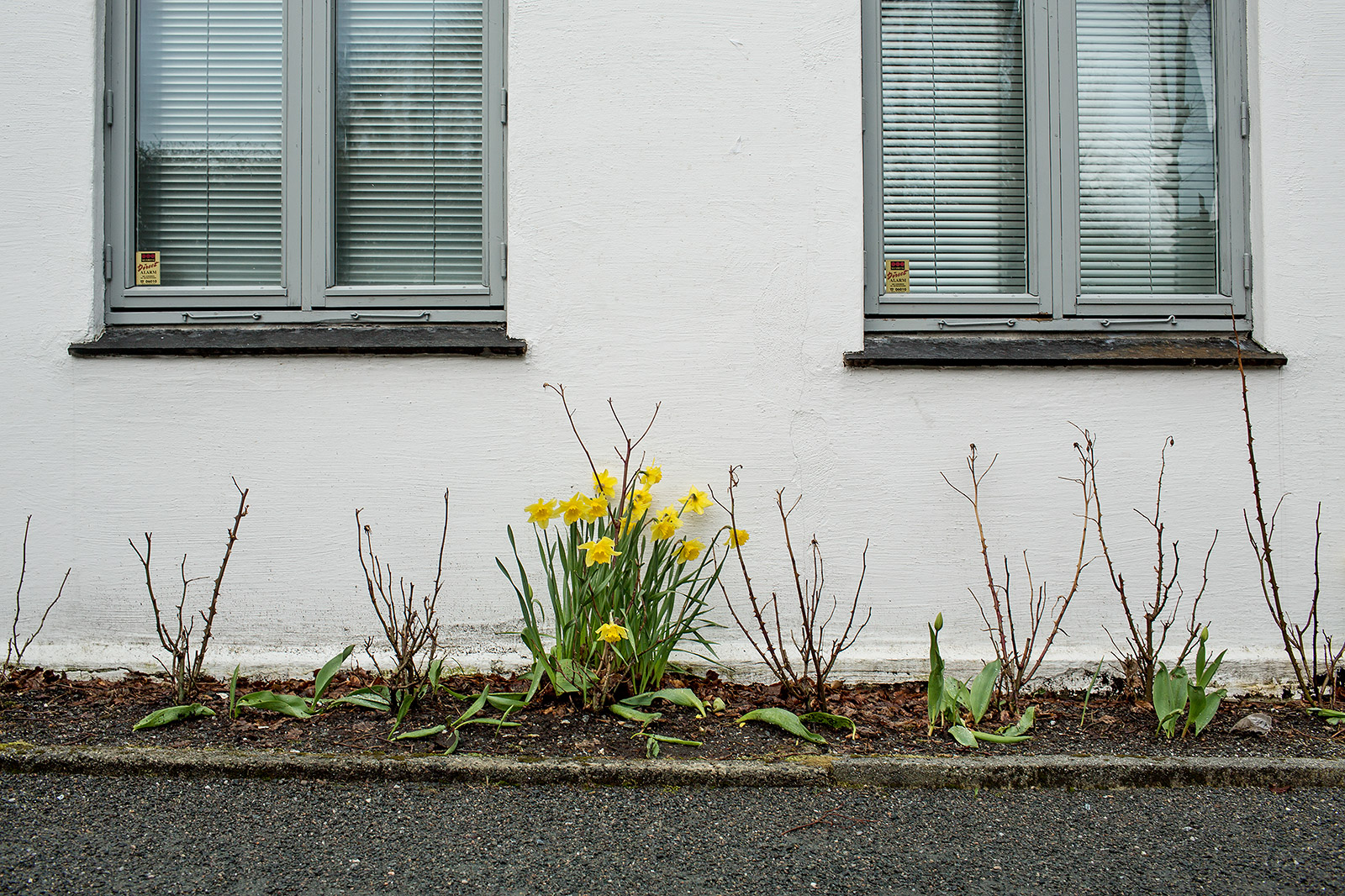
Welcome to a brand new blog and an opening pic of a shitty flower bed.

A tourist trap outside my office in Bergen.

A tourist trap outside my office in Bergen.

This bed of tulips is right outside my office, and a few days ago I came across a tourist sitting on his knees and interrogating one of the flowers with his Handycam. Now, he’s probably not the first to do this. My office is right by one of the busiest cruise ship ports in Norway, so close to half a million cruise passengers pass by each year. Last year I had this conversation with an American woman in her late sixties, just moments after she had disembarked:

– Are you local?
– Yes, I am.
– Where is the nearest McDonald’s?
– Really?
– Yes, really.
– Oh, it’s that-a-way. About a five minute walk.
– No! That’s too far!

I don’t know – maybe she was just looking for free wifi at McDonald’s. But her general physique suggested that she was used to having extra large meals with her free broadband access.

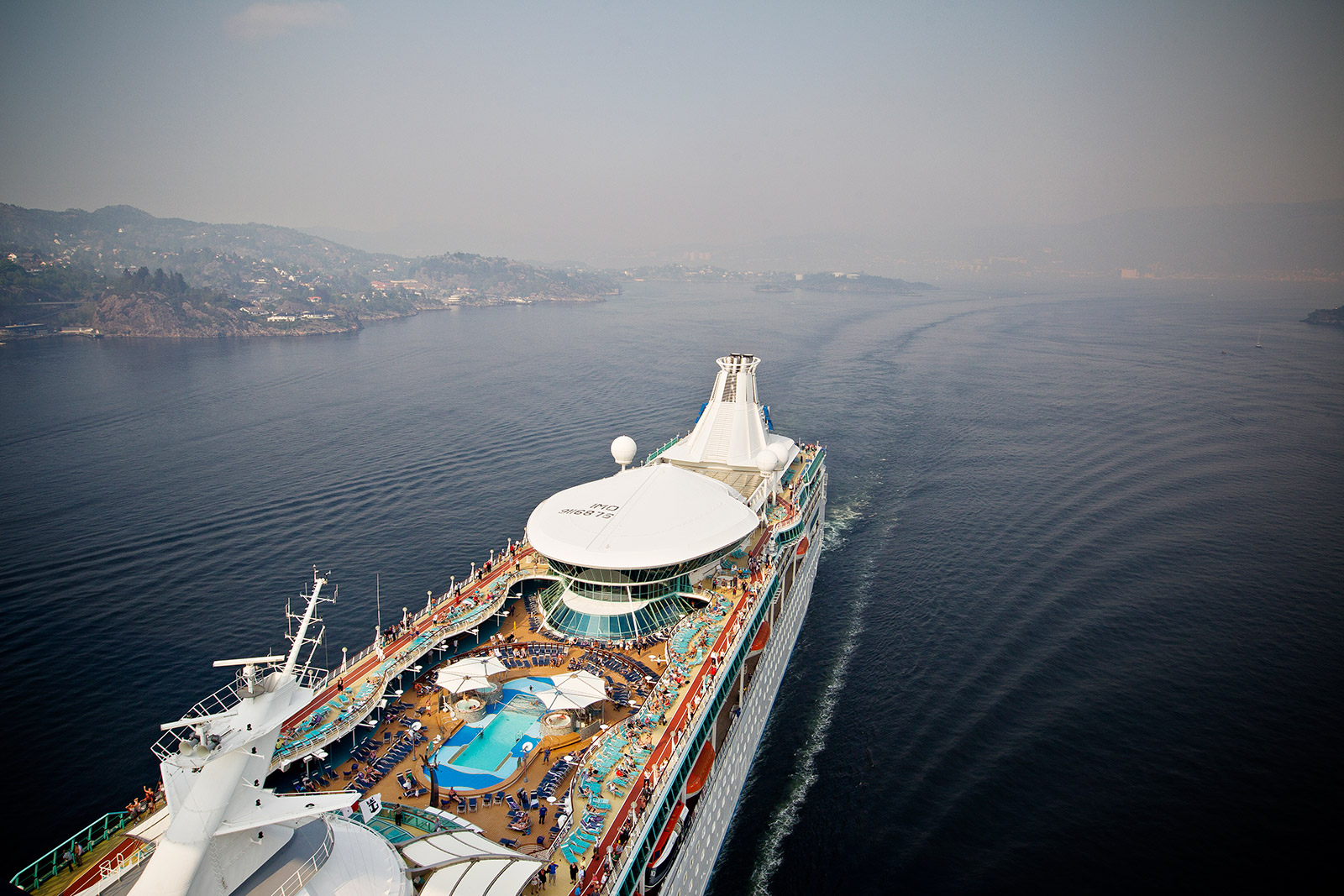
Vision of the Seas. Old ladies starving for a happy meal won't find salvation onboard this vessel.

Vision of the Seas. Old ladies starving for a happy meal won’t find salvation onboard this vessel.

Back in March I overheard two other American tourists walking and talking along the Hanseatic wharf. Their conversation went like this:

– Look at the angle of those buildings! Look at that! Have you ever seen such crooked buildings? Have you ever seen such a crooked door? Look at those angles! Will you just look at that..!
– Jim, we’re drunk.
– Oh. Yeah. Right.

At least Jim and his drunken buddy had something to look at. I met a Japanese guy on top of the funicular Fløibanen a few years ago – in a dreadfully foggy weather. Visibility was limited to just a few metres, so this unlucky Japanese guy was photographing the supposed view off of a brochure! I made one of my all time favourite tourist pictures of him.
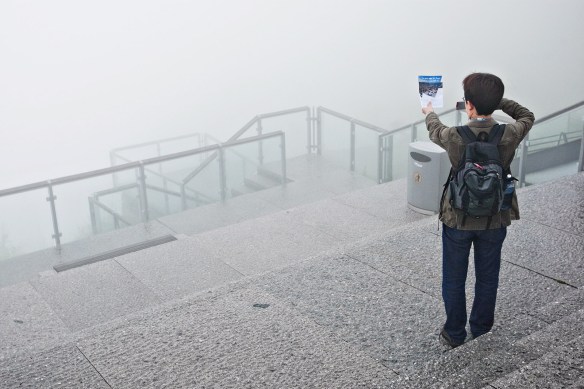
Mr. Hideyuki Uchida from Matsuyama in Japan photographs a brochure showing the view from mount Fløien the way it's supposed to be. Mr. Uchida onlys has nine days for all three of the Nordic countries, leaving him with no time to wait for the fog to clear.

Mr. Hideyuki Uchida from Matsuyama in Japan photographs a brochure showing the view from mount Fløien the way it’s supposed to be. Mr. Uchida onlys has nine days for all three of the Nordic countries, leaving him with no time to wait for the fog to clear.

Of course, as a lot of other photographers, I find tourists to be an invaluable motif. I can spend long summer mornings discretely following groups of Japanese tourist being led around by guides with red umbrellas (a friend of mine once «kidnapped» an entire group by a clever coup d’umbrella). And sometimes the opposite happens. I was having a morning cup of coffee and a cinnamon roll in public once, when a tourist guide must have remarked that I was enjoying something alike the Bergen national dish. In any case, I suddenly had 20 Japanese photographing me having breakfast.

Gran Canaria

Gran Canaria

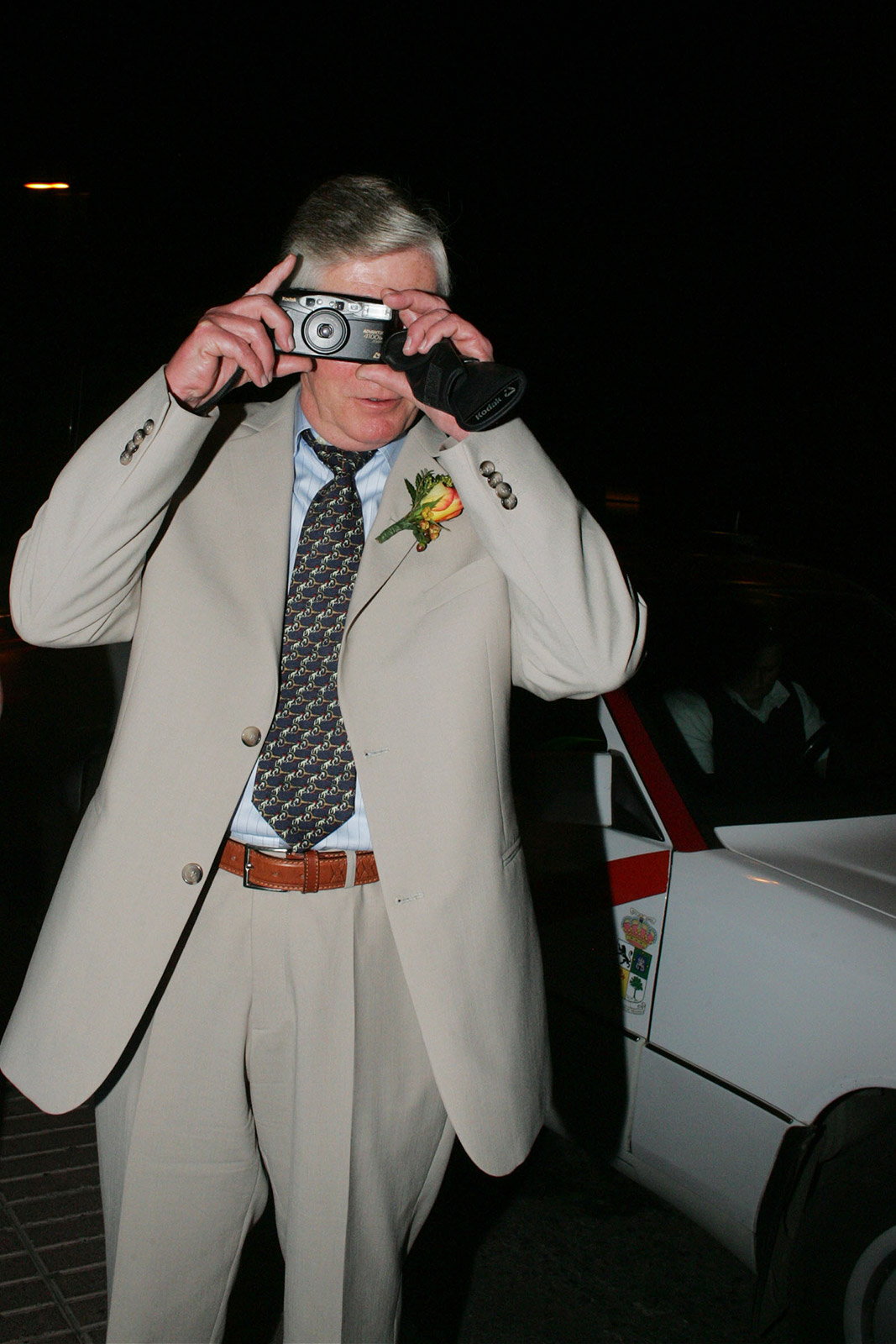
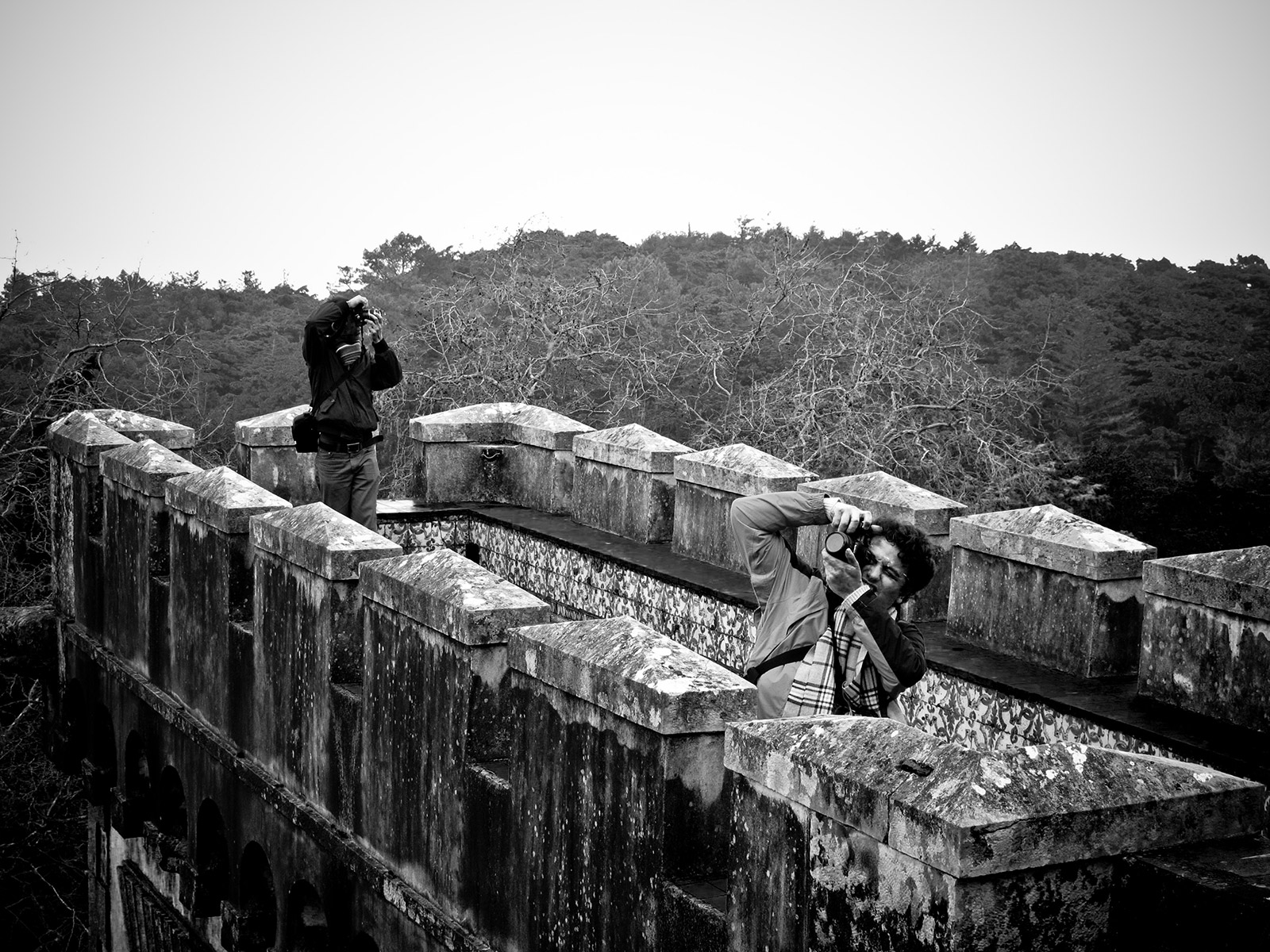
Photography and tourism are of course merely two sides of the same coin. Since the very beginning of the medium, photographs of the exotic lands has allured people to travel to the very same places so that they themselves could experience the photographs in real life. Pictures of the pyramids in the 1850s led to the first proper wave of tourists going to Egypt. And the more people travelled, the more they photographed, the less exotic these places became. Now there is no real distinction between the real pyramids and the tourist pyramids. At least I don’t think there is. I haven’t been to Egypt. But I have been to Venice – and thus experiencing the most intense love/hate relationship that I have had to any city. As with the pyramids (probably) there is as good as no difference between the real and the touristic Venice. It’s doubtlessly one of the most beautiful cities I have been to. Still, I felt absolutely suffocated. Some hundred thousand tourists may pass my office each year, but over 15 million visit Venice. Tourist Venice is the real Venice today. And without my camera I wouldn’t have managed. Of course, this makes me one of them, yet another tourist with a camera. I was photographing other tourists rather than the gondoliers. But still.
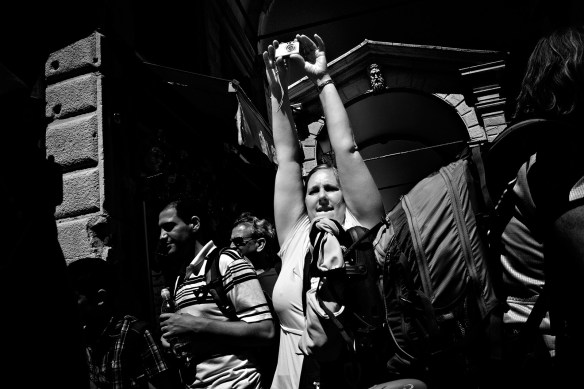
Venice - the cradle of... something.

Venice – the cradle of… something.

Sintra. Castle of the Moors (and the day trip crowds).

Sintra. Castle of the Moors (and the day trip crowds).

This sort of brings me around to the reason of this blog. I much prefer to travel when working (as a photojournalist) rather than in my spare time. The reason is two-fold: one is the tourist’s shame – the other is access. I’m curious by nature, but I’m also shy. Not painfully, but I’m not great with people either. Smalltalk doesn’t interest me. I have a hard time of approaching strangers – unless that is – I’m working. When having an agenda, having a story to tell, I am to some extent a different person.

This summer I’m going to the US for a month long road trip with my girlfriend.
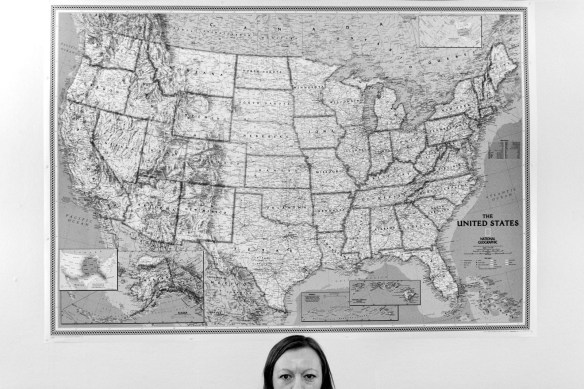
USA. Mapping FTW.

USA. Mapping FTW.

It’s not a work trip. It’s a holiday. I don’t think I’ve had a holiday lasting as long as this since high school. That’s fifteen years ago. And I really believe that I will have a substantially more interesting time in the US if I try to tell some stories from this trip. But I’m not going to commit myself to a publisher other than myself as that would sort of kill the idea of a proper holiday. So I need a different outlet, another audience – at least a potential audience. Thus a blog.

(Truth be told this is my second attempt at a blog, the first being a tumblr-site that never really took off. Then again I never really felt at home in a community based on the microblogging of nonsense either.)

Anyhow – now it is soon my turn to be the traveller and the Americans’ turn to mock me (lovingly, the same way I mock them, I hope). I pretty much know I won’t be asking for directions to McDonald’s, and I very much doubt I will be crawling in their flower beds to shoot tulips up close. But I just might be looking at crooked houses while drunk. And this blog will be where I boast about it.
Cheers!

(Read Geoff Dyer’s brilliant introduction to Martin Parr’s even more brilliant Small World for more on the relationship between photography and tourism – some pics here).